



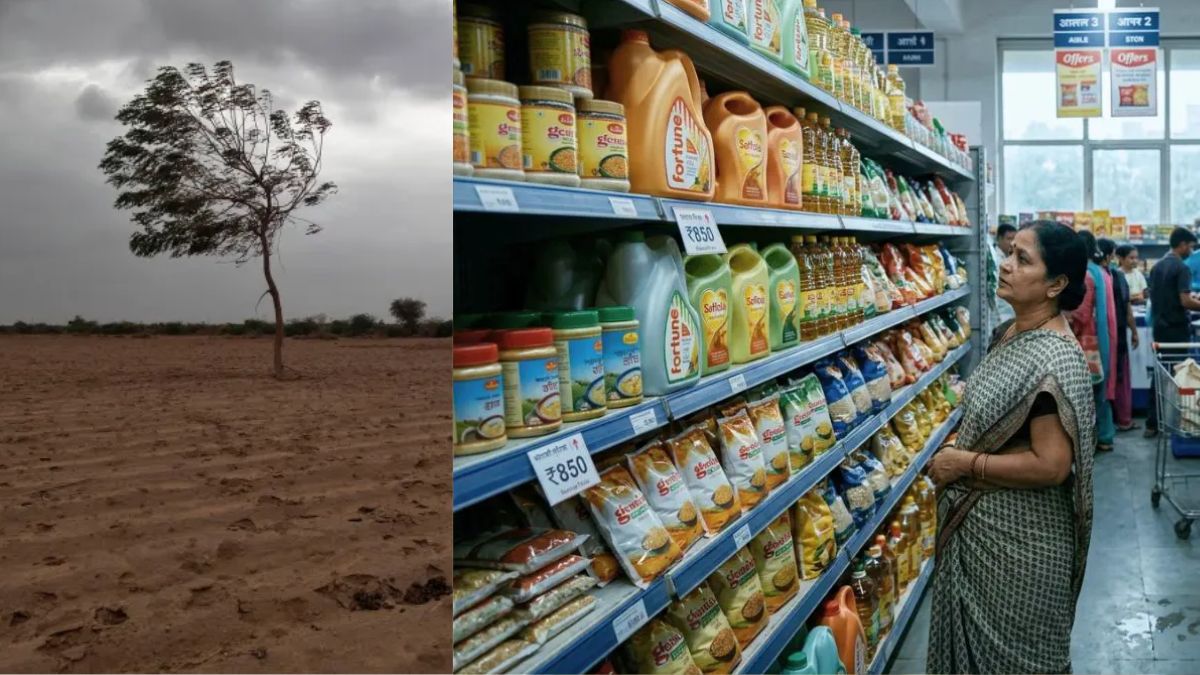
A below-normal monsoon this year may test the rural recovery within India’s fast-moving consumer goods (FMCG) sector, disrupting the growth outlook for FY27. The early forecasts of sub-par rains by the IMD also comes at a time when FMCG firms are dealing with inflationary pressures triggered by the war in West Asia.
Price hikes have begun in select categories to mitigate input cost concerns, hurting the demand revival that urban areas were beginning to see after the government initiated GST 2.0 reforms in September last year. Executives also point to the impact on discretionary categories such as consumer durables and auto in the second of the year with deficit rainfall.
“Rural demand was the only consistent factor in FMCG over the last few quarters as urban recovery was fragile. A below-normal monsoon may hurt sentiment in rural areas as farm incomes may take a hit,” Mayank Shah, vice-president, Parle Products, said.
Importance of rural sales for FMCG
Rural sales constitute over a third of total sales for FMCG companies and have remained among their key growth drivers from a volume sales perspective. In the last few quarters, companies have pushed direct distribution into rural areas to capitalise on the momentum in the hinterlands. This could slow down as rural consumers get cautious with weak rains.
“The current IMD forecast is a preliminary prediction. We will wait and watch for the next forecast, which is likely in May to get a clearer picture. However, if the forecast persists in the next round then there could be an impact on FMCG. To start with, agri output could suffer. This may lead to a shift in rural demand, likely in the second half of the year,” Tarun Arora, CEO and whole-time director, Zydus Wellness, said.
What do brokerage firms say?
Brokerage estimates suggest that every 1% deviation in monsoon rainfall from the long-period average can affect rural consumption growth by 0.5–0.7 percentage points. With IMD’s and private forecaster Skymet’s preliminary outlook indicating rainfall at 92–94% of the long-period average, the downside risks to FMCG growth are becoming increasingly pronounced. Skymet had given its outlook last week.
Despite these challenges, companies may explore mitigation strategies, including smaller pack sizes and targeted rural promotions. Digital channels and direct-to-consumer models may also be leveraged to offset traditional demand weaknesses, experts said.
Still, the road ahead remains uncertain. Much will depend on the spatial distribution of rainfall and government support measures such as minimum support prices (MSPs) and rural welfare schemes. For now, FMCG companies appear poised for a challenging year, with monsoon clouds casting a long shadow over growth prospects.