



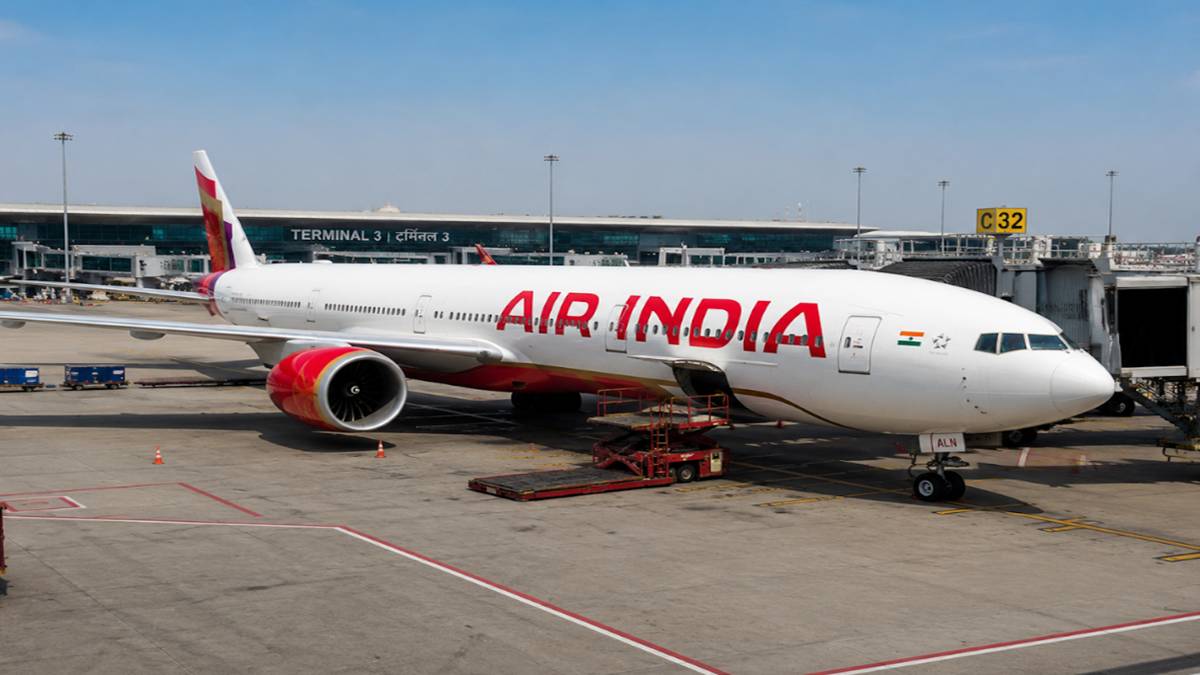
The board of Tata Sons was briefed on Air India’s turnaround plans last Tuesday, with inputs from global consulting firm McKinsey & Company, according to persons familiar with the matter.
The airline is undergoing a sweeping transformation as it seeks to pare losses of Rs 26,800 crore reported in FY26. The board was informed that Air India may continue to remain loss-making over the next three years, with the Iran conflict, elevated fuel prices, delays in fleet renewal and the cabin retrofit programme weighing on operations.
A person aware of the developments said McKinsey is assisting the Tata Group airline in improving operational capabilities and reducing losses. Nearly four years after its acquisition in 2022 under the government’s privatisation programme, a sustained turnaround has remained elusive, underlining the need for external expertise, the person added.
McKinsey declined to comment on the mandate, while an email sent to Tata Sons and Air India did not elicit a response.
The airline is planning to unlock new revenue opportunities and improve operational efficiencies while strengthening customer support, enhancing business planning and minimising disruptions. It also plans to scale productivity across the organisation by reducing manual work and deploying reusable AI agents across functions, according to the turnaround plan. The initiative includes building a high-performance digital team in India to drive the transformation.
Capital Requirements
The briefing to the Tata Sons board assumes significance as the airline is expected to require additional capital support from its shareholders. Apart from the Tata group, Singapore Airlines holds a 25.1 per cent stake in the airline.
Apart from rising fuel prices, Air India’s operations remain exposed to fluctuations in foreign exchange rates, as lease rentals and maintenance expenses — which account for 20-25 per cent of operating costs — are denominated in US dollars. The airline partly offsets this through international foreign-currency revenue, which acts as a natural hedge, along with a currency hedging programme introduced in 2024.
As Air India scales back parts of its international and domestic operations from June, it is expected to generate lower forex revenue in the current fiscal year, the source said.
Balancing Conglomerate Portfolio
The Tata Group has already committed billions of dollars towards reviving Air India through aircraft purchases, fleet refurbishment, technology upgrades and the expansion of international operations. The airline currently has around 600 aircraft on order, including 30 Boeing 737 MAX aircraft ordered in January 2026. It has also reduced the average age of employees from 54 years to 36 years and is planning to recruit a new chief executive officer for the next phase of the transformation.
While the outlook for Air India remains challenging, the group expects stronger performance from Tata Electronics, which is projected to turn profitable in the coming years on the back of a ramp-up in mobile phone manufacturing and subsidies for its semiconductor business. Meanwhile, losses at Tata Digital are expected to remain at FY26 levels.