



The three Airbus A320s, being inducted on a damp lease basis, are scheduled to join the airline’s fleet in July. The move comes as SpiceJet seeks to stabilise operations after a sharp decline in fleet strength that has seen it fall behind younger rival Akasa Air as reported by FE last month. The airline said the additional aircraft will enhance operational flexibility and support network requirements during the peak travel season across domestic and international routes.
The fleet augmentation comes at a critical juncture for SpiceJet. Once among India’s largest low-cost carriers, the airline operating just 21 aircraft as of May 2026, down from 33 in December and well below Akasa Air’s fleet of 38 aircraft.
The decline has been driven largely by the return of leased aircraft. In recent weeks, SpiceJet has redelivered several Boeing 737-800s taken on wet lease from foreign operators and returned three Boeing 737-8 MAX aircraft leased from Ascend Airways following the lessor’s shutdown. As a result, its wet-leased fleet has shrunk from 13 aircraft to seven, significantly reducing available capacity. Apart from returning leased aircraft, the airline has vacated over 10 stations in India since 2026, FE can confirm.
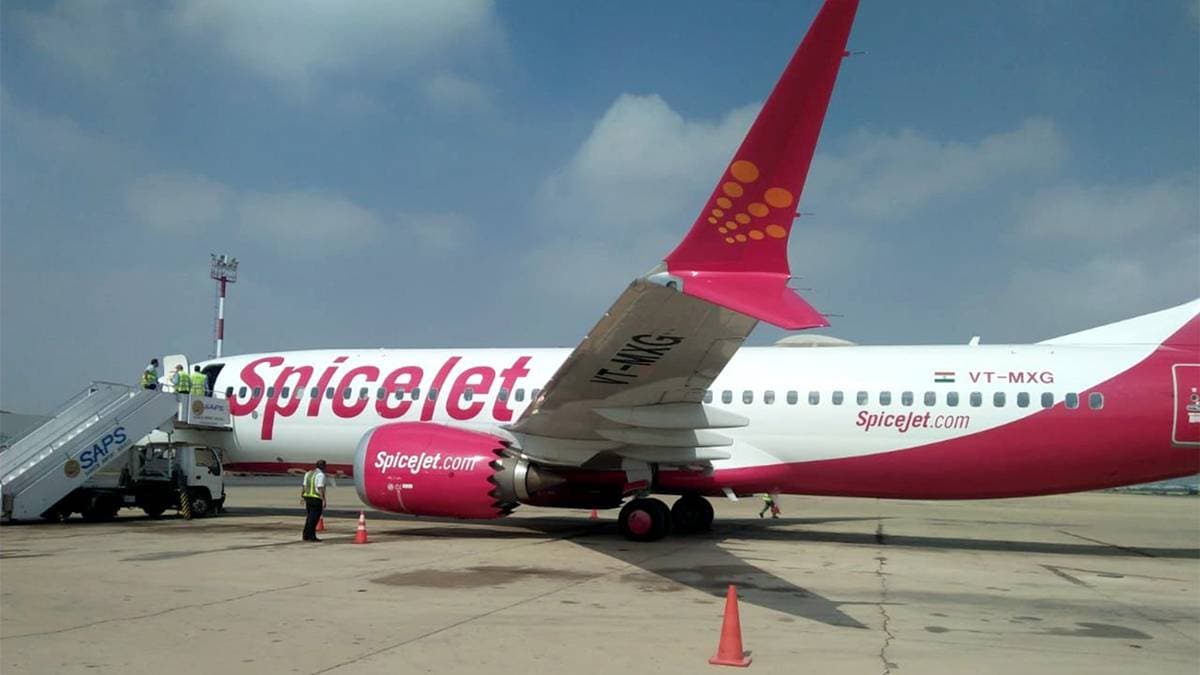
Against this backdrop, the successful reactivation of a Boeing 737 MAX offers some relief. The aircraft has already resumed commercial operations, providing an immediate boost to capacity while the airline awaits the arrival of the Airbus jets. The Boeing 737-8 MAX, registered VT-MXE was parked at Delhi since June 2024, sources tell us. The airline, with the reactivation of this aircraft, have 9 active Boeing 737s in its fleet currently.
SpiceJet’s fleet challenges stem from a prolonged period of financial stress that has constrained its ability to secure long-term aircraft leases. The carrier has reported widening losses in recent quarters and continues to grapple with accumulated losses estimated at more than Rs 8,600 crore. With liabilities exceeding assets, the airline has increasingly relied on short-term wet-lease arrangements to maintain operations.
Legal disputes with aircraft and engine lessors have further complicated its recovery efforts. Several proceedings over unpaid dues have resulted in aircraft groundings, while ongoing litigation involving former promoter Kalanithi Maran and Kal Airways, along with overseas lessor-related cases, has periodically weighed on operations and lessor confidence.
SpiceJet has announced that the airline signing a lease agreement to induct three Airbus A320 aircraft and returning a grounded Boeing 737 MAX to service.
The three Airbus A320s, being inducted on a damp lease basis, are scheduled to join the airline’s fleet in July. The move comes as SpiceJet seeks to stabilise operations after a sharp decline in fleet strength that has seen it fall behind younger rival Akasa Air as reported by FE last month. The airline said the additional aircraft will enhance operational flexibility and support network requirements during the peak travel season across domestic and international routes.
The fleet augmentation comes at a critical juncture for SpiceJet. Once among India’s largest low-cost carriers, the airline operating just 21 aircraft as of May 2026, down from 33 in December and well below Akasa Air’s fleet of 38 aircraft.
The decline has been driven largely by the return of leased aircraft. In recent weeks, SpiceJet has redelivered several Boeing 737-800s taken on wet lease from foreign operators and returned three Boeing 737-8 MAX aircraft leased from Ascend Airways following the lessor’s shutdown. As a result, its wet-leased fleet has shrunk from 13 aircraft to seven, significantly reducing available capacity. Apart from returning leased aircraft, the airline has vacated over 10 stations in India since 2026, FE can confirm.
Against this backdrop, the successful reactivation of a Boeing 737 MAX offers some relief. The aircraft has already resumed commercial operations, providing an immediate boost to capacity while the airline awaits the arrival of the Airbus jets. The Boeing 737-8 MAX, registered VT-MXE was parked at Delhi since June 2024, sources tell us. The airline, with the reactivation of this aircraft, have 9 active Boeing 737s in its fleet currently.
SpiceJet’s fleet challenges stem from a prolonged period of financial stress that has constrained its ability to secure long-term aircraft leases. The carrier has reported widening losses in recent quarters and continues to grapple with accumulated losses estimated at more than Rs 8,600 crore. With liabilities exceeding assets, the airline has increasingly relied on short-term wet-lease arrangements to maintain operations.
Legal disputes with aircraft and engine lessors have further complicated its recovery efforts. Several proceedings over unpaid dues have resulted in aircraft groundings, while ongoing litigation involving former promoter Kalanithi Maran and Kal Airways, along with overseas lessor-related cases, has periodically weighed on operations and lessor confidence.