



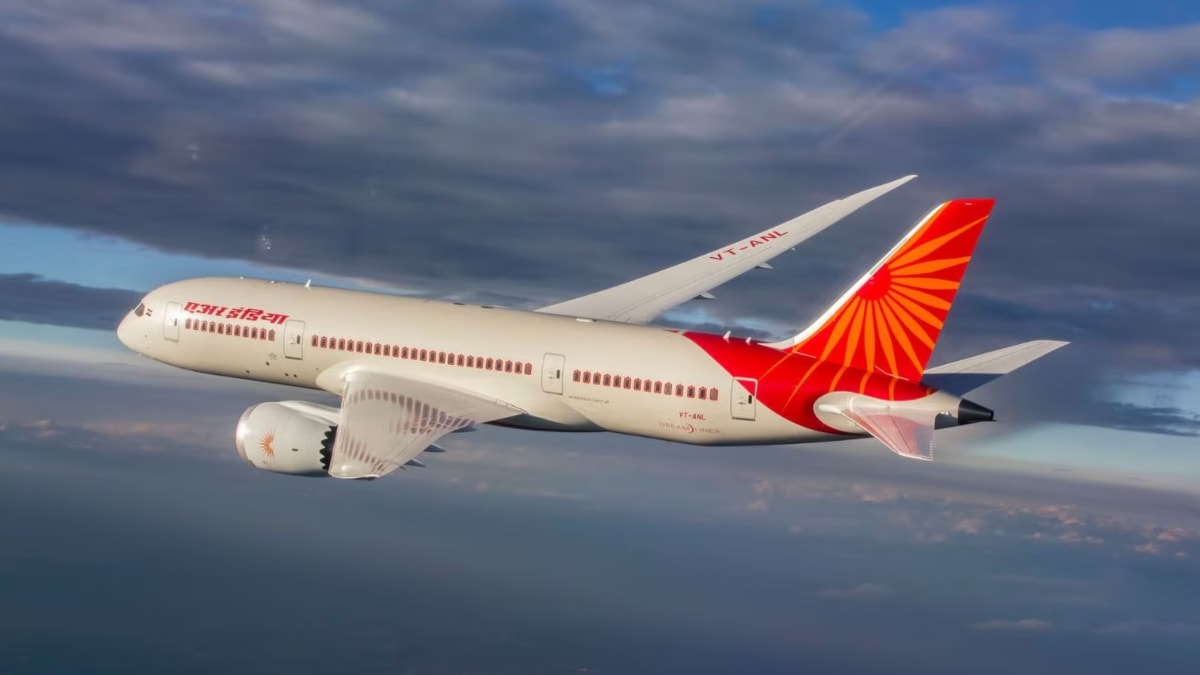
The Directorate General of Civil Aviation on Tuesday said that the fuel control switch of Air India’s Boeing 787-8 Dreamliner aircraft, registered VT-ANX,” was checked and found satisfactory, with the locking tooth/pawl fully seated and not slipping from Run to Cutoff.”
The aviation regulator highlighted that when force is applied to the aircraft’s fuel control switch in the correct direction, “parallel to the base plate,” the switch stays secure.
However, the DGCA noted that if force is applied incorrectly, the switch can easily move from Run to Cutoff. This is because the angled base plate can slip if pressed wrongly with a finger or thumb, the regulator said.
Watchdog’s instructions to Air India
Following an inspection that revealed no mechanical issues, the watchdog instructed Air India to strengthen crew training on proper procedures for operating fuel control switches, emphasizing the risk of unintended movement if handled incorrectly.
Air India on Monday grounded its VT-ANX aircraft after a pilot flagged a possible issue with the fuel control switch during pre-flight checks, after observing abnormal behaviour of the left engine fuel control switch.
The DGCA, in its statement on Tuesday, added that on February 2, Air India flight AI 132 from London to Bengaluru witnessed two instances of the aircraft’s fuel control switch not remaining positively latched in the “Run” position when light vertical pressure was applied.
What did DGCA say?
“On the third attempt, the switch latched correctly in ‘Run’ (position) and subsequently remained stable. Before continuing with the rest of the procedure, a physical verification was performed by the crew to confirm that the switch was fully and positively latched in the “Run” position,” the DGCA added.
The regulator added that after the third attempt, no abnormal engine parameters, cautions, warnings, or related system messages were observed during engine start or at any time thereafter. The watchdog added that the operating crew member was briefed on the observation, and unnecessary contact with the switch was avoided.
“Engine indications and alerting systems were closely monitored by the crew for the remainder of the flight. The flight was completed without incident,” the DGCA said.
The incident comes against the backdrop of heightened scrutiny of fuel control systems after the June 12 crash of Air India flight 171 on the Ahmedabad–London sector, which killed 260 people. A preliminary investigation report into that accident had pointed to the movement of both engine fuel control switches from Run to Cutoff shortly after takeoff, leading to a loss of thrust. The cockpit voice recorder transcript indicated confusion in the cockpit, with one pilot questioning the fuel cutoff while the other denied initiating it.
DGCA officials added that the affected component would be removed, and an alternate fuel control switch would be installed. The aircraft will then be released following a thorough inspection. While there has been no fresh update from Boeing, the aircraft manufacturer had said on Monday that it was in contact with Air India and was supporting the airline’s review of the issue.
Air India has also ordered a precautionary, fleet-wide reinspection of the FCS latch on all its Boeing 787 aircraft after the incident led to the grounding of one plane and escalation of the matter to Boeing.