-

Karwa Chauth 2016: So today is the day that all newly married North Indian women look forward to. Karva-chauth, a north Indian festival, observed in India is marked by women keeping a day-long fast for long life of their husbands. The term ‘Karva’ means earthen pot, which symbolises peace and prosperity and ‘Chauth’ refers to ‘fourth day'.

Karwa Chauth 2016: Karwa Chauth is observed on the fourth day of October and it is usually before Diwali. It is one of the most propitious festivals for a married woman. Women a blessing for their husband’s well-being, prosperity and wealth. If we break the term ‘Karwa Chauth’ we get Karwa which means earthen pot in which water is offered to the moon. The festival starts with fast which is mostly observed by married women for well-being, long life of their husband. 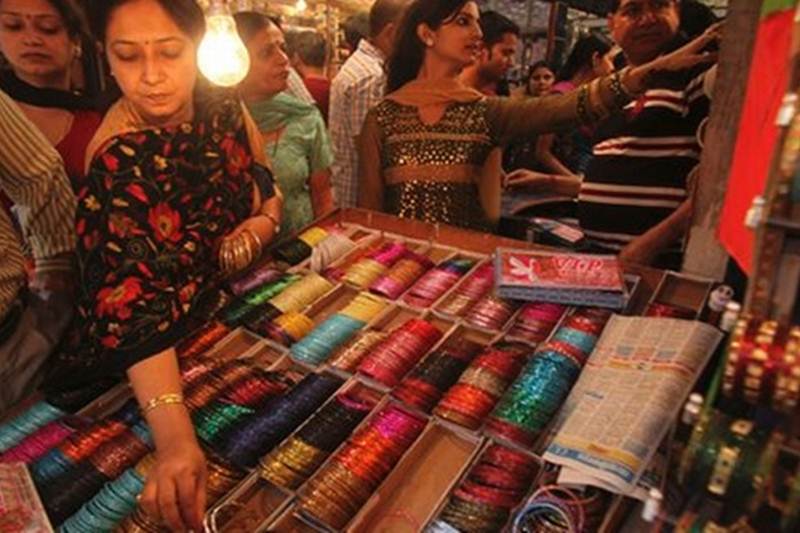
Karwa Chauth 2016: What is Karwa Chauth? Karva Chauth is a one-day festival celebrated by married women. Women fast from sunrise to moonrise for the safety and longevity of their husbands.The fast is traditionally celebrated in the states of Madhya Pradesh, Rajasthan, parts of Uttar Pradesh,Himachal Pradesh, Haryana, and Punjab.The festival falls on the fourth day after the full moon, in the Hindu lunisolar calendar month of Kartik. 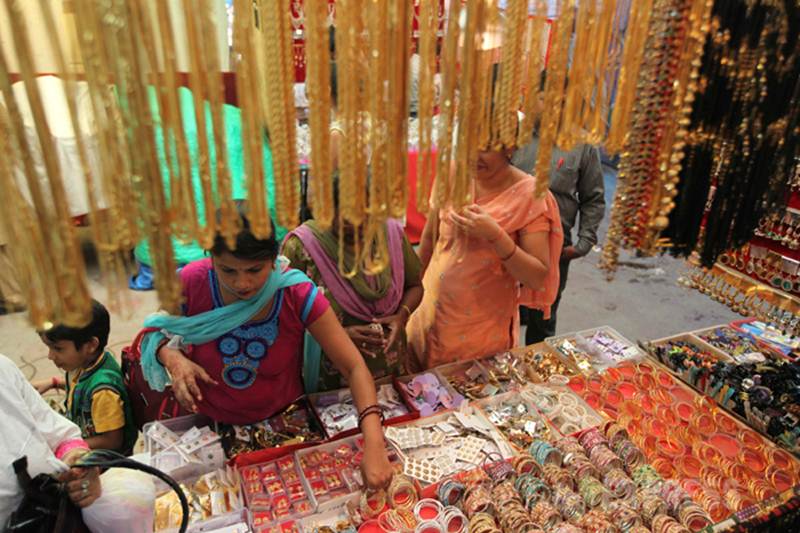
Karwa Chauth 2016: Origin of Karwa Chauth The festival has its roots in mythology. According to Mahabharata’s Vana Parva, Karva Chauth can be derived from the time when Savitri begged the god of death, Lord Yama, for her husband’s soul. Other stories say how women, whose husbands left them for long periods to fight in wars, observed day-long fasts praying for their husbands’ safety. They dressed up in their finest attire and prepared elaborate meals afterwards. 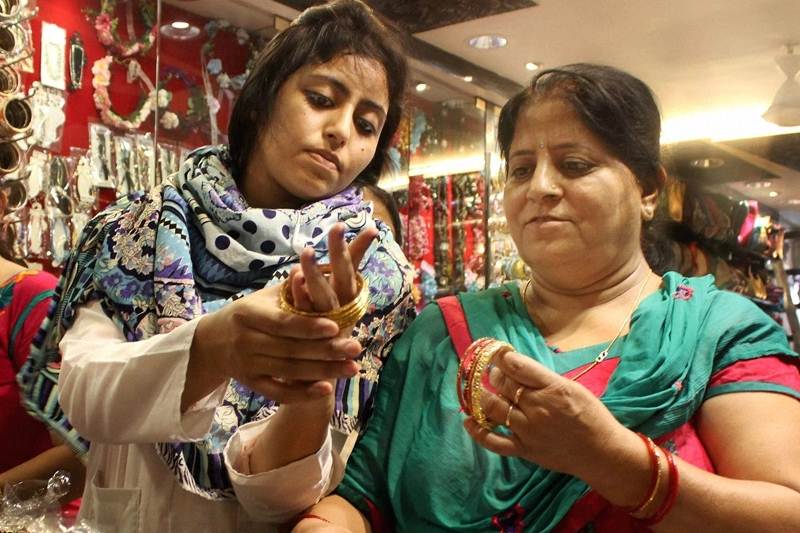
Karwa Chauth 2016: Importance of Karwa Chauth This festival has several traditional customs and rituals. The day starts before the sunrise and women worship Lord Shiva, Goddess Parvati, Lord Ganesha and even the moon.The most important part of Karwa Chauth is that the mother-in-law hands over the ‘sargi’ to the daughter-in-law which must be consumed before sunrise.

60% of Rakesh Jhunjhunwala’s portfolio is in 2 stocks. Both are buying growth abroad