


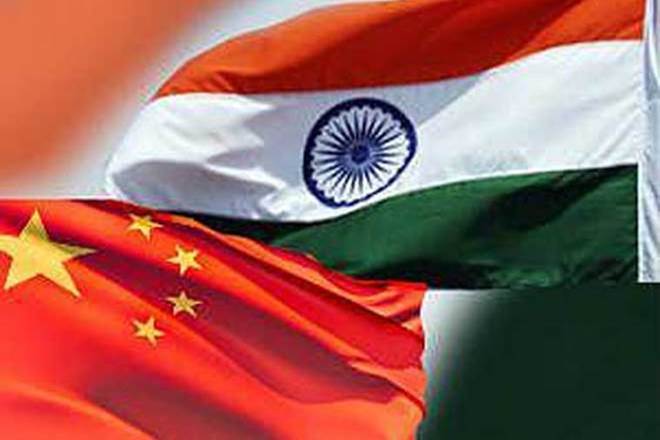

In a breakthrough, India and China on Monday agreed to withdraw their troops from the face-off site at Doklam near the Sikkim border, ending nearly three months of tension that seriously threatened to mar friendly relations between the two neighbours. The development comes ahead of the BRICS summit to be held at Xiamen in China on September 3-4, which Prime Minister Narendra Modi is expected to attend.“In recent weeks, India and China have maintained diplomatic communication in respect of the incident at Doklam. During these communications, we were able to express our views and convey our concerns and interests. On this basis, expeditious disengagement of border personnel at the face-off site in Doklam has been agreed-to and is ongoing,” the ministry of external affairs (MEA) said in a press statement posted on Twitter.
Indian Army sources here too confirmed to FE that the process of disengagement was in progress. Chinese foreign ministry spokesperson Hua Chunying stated that “Indian troops and equipment have all withdrawn to the Indian side of the border area in Doklam on Monday afternoon”, but she was not categorical about the withdrawal of Chinese troops. Hua said: “China will continue to exercise its territorial sovereignty in accordance with historical conventions.”
According to agency reports, Hua said that Chinese border troops will “continue to patrol in Donglong”, which India refers to as Doklam. The MEA on Monday evening said the process of disengagement of border personnel of India and China at Doklam had almost been completed under verification.
Nearly 350 Indian soldiers have been standing face-to-face with 300 Chinese People’s Liberation Army (PLA) personnel in the area since June 16. The tensions had begun when Chinese PLA troops began constructing a concrete road in Doklam in Bhutanese territory. The Indian troops promptly halted the construction work, to maintain the ‘status-quo’. India reckons the Chinese have an eye on the Jampheri ridge, which is of great military import for India. Beijing’s strategic interests in the Doklam plateau have increased in recent years, with the upgrading of the Lhasa-Yadong road, which enables a 500-km journey to be made in seven hours. The road passes through Bhutan’s territory.