



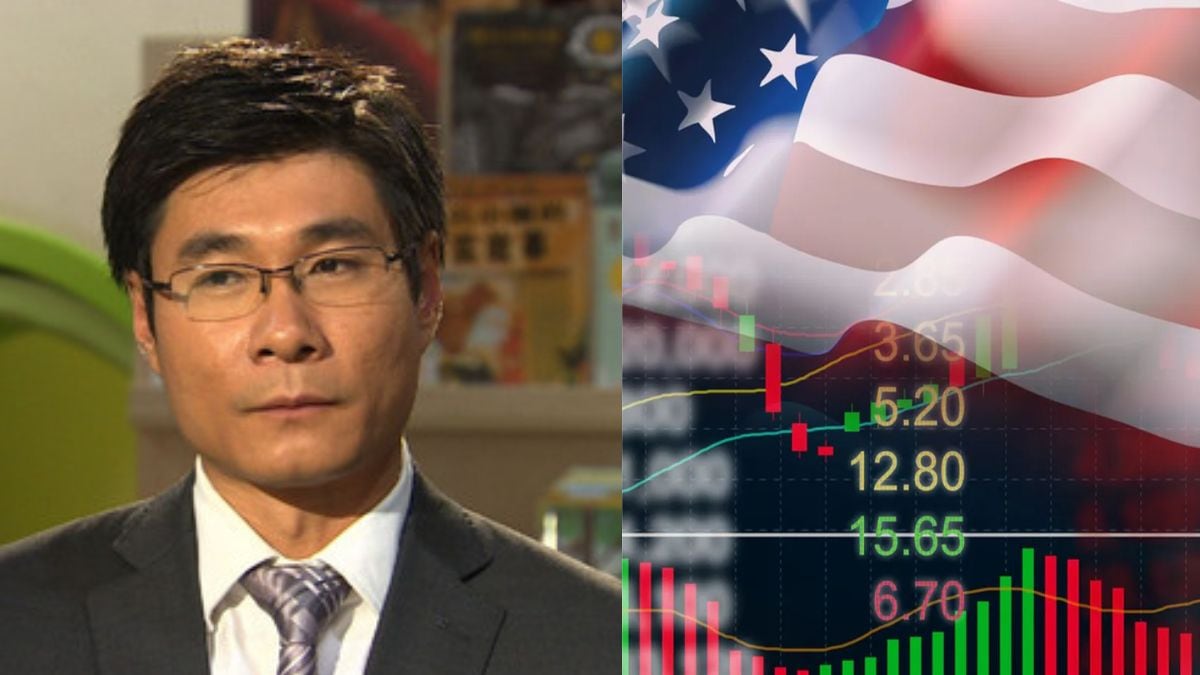
Amid rising tensions in the Middle East and fears of conflict involving the US, Iran and Israel, Professor Jiang Xueqin made a series of remarks during an appearance on Piers Morgan Uncensored, calling the American economy a “Ponzi scheme” dependent on Gulf money and warning of a possible global economic collapse.
Jiang argued that the US economy relies heavily on investments from Gulf Cooperation Council (GCC) countries into American technology companies and AI startups. According to him, if this financial flow stops because of instability in the Middle East, the consequences for the US could be severe.
“The US economy is a Ponzi scheme. It’s dependent on the GCC investing in AI and tech stocks,” Jiang said during the interview. He added that if this financing ends, “the US economy could face collapse.”
PROFESSOR JIANG:
— Vivek Sen (@Vivek4real_) May 28, 2026
“THE US ECONOMY IS A PONZI SCHEME. IT’S DEPENDENT ON THE GCC INVESTING IN AI AND TECH STOCKS.
IF THIS FINANCING STOPS, THE US ECONOMY COULD FACE COLLAPSE AND THIS MEANS YOUNG MEN COULD NOT AFFORD THEIR ONLYFANS, WHICH COULD LEAD TO A REVOLUTION IN THE STREETS.”… pic.twitter.com/NFVbiC2V6w
Fears over oil, food and AI supply chains
During the discussion, Jiang claimed that the global economy remains heavily dependent on Gulf oil and petroleum products. He said sectors such as aviation, food production and semiconductor manufacturing could all be affected if the Strait of Hormuz remains disrupted for a long period.
He pointed out that fertilisers and industrial chemicals linked to Gulf energy exports are central to food production and technology manufacturing. Jiang warned that extended disruptions could force countries to move toward “de-industrialisation” and more self-reliant economic systems.
He also referenced reports of oil prices crossing $100 a barrel and said prolonged instability could push prices even higher. According to Jiang, some Southeast Asian countries have already started taking fuel-saving measures because of growing uncertainty in energy markets.
Dubai and Gulf economies in focus
Jiang described Gulf states as “structurally vulnerable” because of their dependence on imported food, desalinated water and American military protection. He singled out Dubai as one of the most exposed cities in the region.
According to him, Dubai’s rise as a global luxury and business hub was built on the image of regional stability and American security guarantees. He argued that ongoing conflict in the region could damage investor confidence and weaken the city’s tourism and financial sectors.
Jiang claimed that attacks targeting airports, hotels and infrastructure in the Gulf are aimed not only at causing physical damage, but also at undermining the economic model of Gulf nations that depend heavily on tourism, entertainment and foreign investment.
Controversial conspiracy claims during interview
The interview also took a controversial turn when Jiang spoke about what he described as “secret societies” and religious groups influencing global politics and conflict in the Middle East. He mentioned groups such as Freemasons, Jesuits and other organisations while discussing theories about a future “one-world government.”
He further claimed that some groups believe a war in the Middle East would trigger larger global and religious events connected to the “end times.” These remarks reflect conspiracy theories that have been widely disputed and criticised by experts and scholars.