



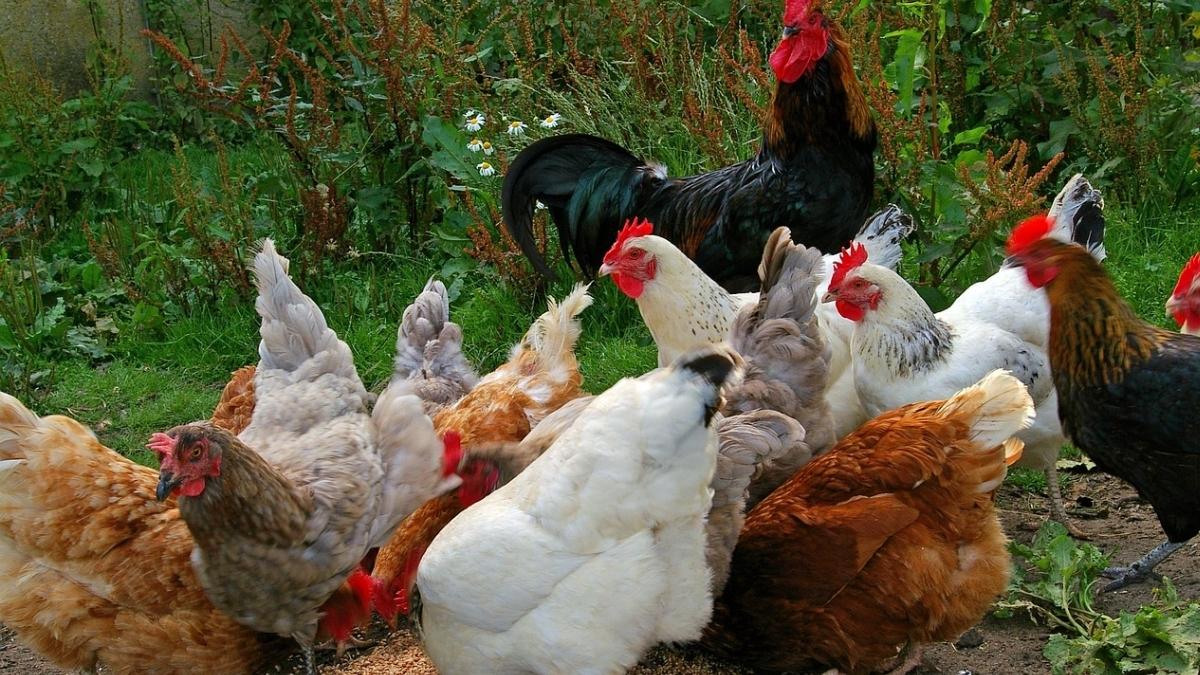
The US Centers for Disease Control and Prevention is investigating a multi-state outbreak of drug-resistant salmonella linked to backyard poultry such as chickens and ducks. The outbreak has already infected at least 34 people across 13 states in the US, while health officials warn the actual number of infections may be much higher because many people recover without testing or medical treatment.
The bacterial strain involved in the outbreak is Salmonella Saintpaul. Health experts fear it may resist fosfomycin, an antibiotic doctors often use when other medicines fail to work against salmonella infections. The outbreak has hospitalised 13 people so far, although no deaths have been reported.
Most of the confirmed infections have appeared in mid-western states, especially Michigan, Ohio and Wisconsin. However, cases have also surfaced in states farther away, including Florida and Maine, showing how widely the outbreak has spread.
Children account for a large share of the infections. According to the CDC, the median age of infected patients is 12 years old. Nearly half of those sickened are children aged 5 or younger. The youngest patient is less than one year old, while the oldest is 78.
How does salmonella spread from backyard poultry?
The CDC says people do not need direct contact with chickens or ducks to become infected. Salmonella germs can spread through anything in the birds’ environment, including cages, bedding, feed containers, eggs, water dishes and surfaces touched by poultry. A person can get infected after touching contaminated objects and then touching their mouth or food without washing their hands, reported PEOPLE.
Health officials say backyard poultry often appear healthy even when they carry salmonella bacteria. This makes the infection difficult to detect before it spreads to humans.
Most salmonella infections cause diarrhea, fever, stomach cramps and vomiting. Many patients recover at home within a few days. However, the illness can turn severe in children younger than 5, adults over 65 and people with weak immune systems. In serious cases, dehydration may require hospitalization.
The CDC says many infections likely remain unreported because patients often recover without visiting a doctor. Some cases also go undiagnosed because testing does not happen for every patient with stomach illness.
Why are drug-resistant infections raising concern?
Experts say antibiotic resistance makes salmonella outbreaks more dangerous because treatment options become limited when common medicines stop working. The CDC says the outbreak strain may resist fosfomycin, a drug doctors sometimes rely on when standard antibiotics fail.
Janak Dhakal, assistant professor of animal science at the University of Maryland Eastern Shore, believes contamination at poultry hatcheries may play a major role in the outbreak. Dhakal recently co-authored a study on salmonella in backyard poultry published in the Journal of Food Protection, reported Medscape.
He says poor biosecurity practices in backyard poultry operations also contribute to the spread of infection. Open housing, weak sanitation systems and contact between poultry and wild animals create conditions that allow salmonella bacteria to survive and spread easily. He also says improper or unregulated antibiotic use encourages bacteria to develop resistance over time.
The CDC continues to urge poultry owners to follow strict hygiene practices. Health officials advise people to wash their hands with soap and water immediately after touching poultry, eggs or anything around the birds. Hand sanitizer can help if soap and water are unavailable.
The agency also warns parents to supervise children closely around backyard poultry. Children should avoid kissing or snuggling birds because salmonella germs can spread through feathers, skin and surrounding surfaces. Families should also keep poultry and their supplies outside the home to reduce contamination risks indoors.