



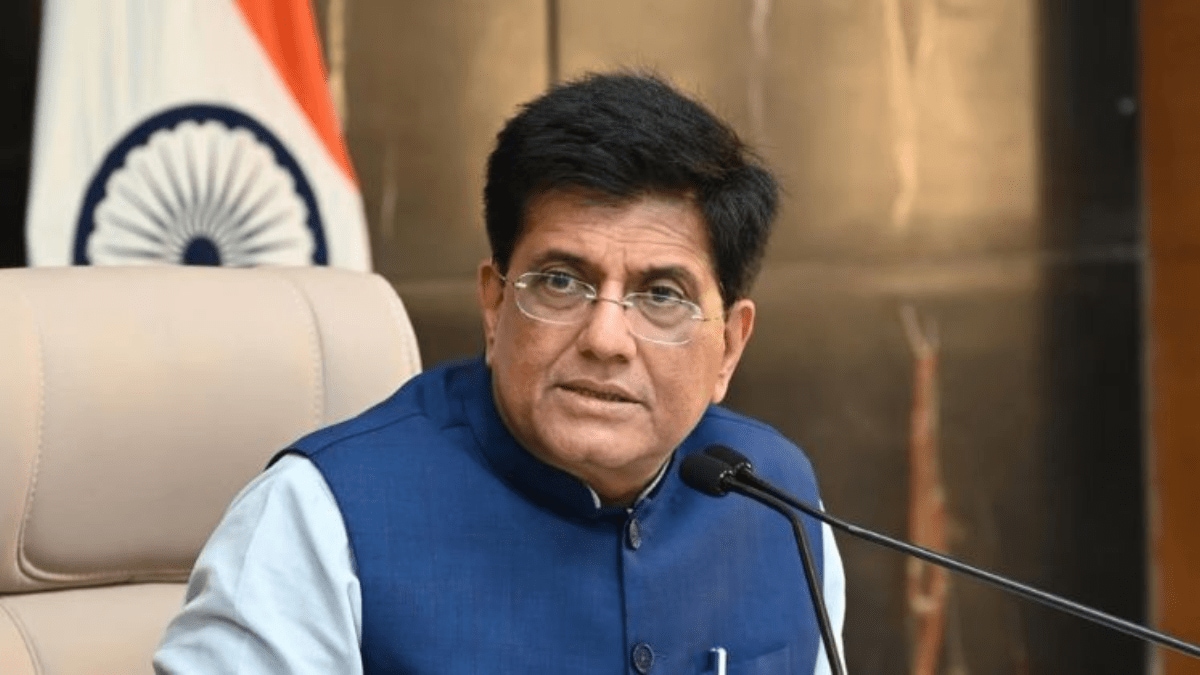
The trade deal with the US will bring down duties on $44 billion worth of Indian exports to its biggest market to zero—covering more than half of India’s $86.5-billion merchandise exports to the US, Commerce and Industry Minister Piyush Goyal said on Saturday.
For the remaining exports, the framework of the interim US-India Bilateral Trade Agreement (BTA) addresses additional tariffs, reducing them to the lowest levels among competing economies. Reciprocal tariffs on exports worth about $30 billion will be brought down to 18%, while another $12 billion falls under Section 232 tariffs imposed under a US national security law, which New Delhi will negotiate separately.
Levelling the Playing Field
“Zero duties will be given on several products like generic pharmaceuticals, aircraft components and auto parts,” Goyal said, adding that some items, such as smartphones, select pharma products, primary minerals and certain food items, already enjoy zero-duty access.
“With this deal, all tariff disadvantages that India faced vis-à-vis competitors have been taken care of,” Goyal said, noting that the agreement effectively opens up a $30-trillion US market for Indian exporters.
Growth Without Farmer Distress
The minister underlined that the interim agreement fully protects Indian farmers and sensitive agricultural sectors. “We have not included any item where any Indian farmer will be hurt. All sensitive items have been kept out,” he said, ruling out tariff concessions on meat, poultry, dairy, genetically modified crops, cereals, millets, oilseeds, fruits, vegetables, sugar and ethanol.
At the same time, a wide range of Indian exports, including gems and diamonds, pharmaceuticals, aircraft and machinery parts, select auto components, essential oils, home décor items and certain chemicals, will see duties in the US slashed from as high as 50% to zero. Several agricultural exports such as spices, tea, coffee, coconut products, nuts, fruits, vegetables and some processed foods will also gain zero-duty access.
On imports, Goyal said India has reduced or eliminated tariffs only on items it does not produce domestically or produces in insufficient quantities, including select industrial inputs, specialised medicines, medical equipment, ICT products, apples, nuts, wines and spirits—some through phased or quota-based access.
Posting on X, Goyal summed up the deal: “Farmers safe, country developed… This will safeguard the interests of domestic farmers, strengthen local agriculture through preferential access to such a large market, and mark another powerful step towards a self-reliant India.”