



By Mukesh Butani & Pranoy Goswami, Respectively Managing Partner and Senior Associate, Tax Policy, BMR Legal
In an increasingly splintered world mired in geopolitical uncertainties, 2025 was a defining year to synchronise and reset international priorities on cooperation. The flavour of multilateralism notwithstanding, three events in 2025 emerged as beacons of hope for a cohesive and forward-looking global order. The Fourth International Conference on Financing for Development (FfD4) in Seville, the 30th Conference of the Parties (COP30) in Brazil, and the G20 Summit in Johannesburg, South Africa, were not just diplomatic events; they were arenas where the Global South could seek better terms in its negotiations with the rest of the world. These agglomerations are reminiscent of the increasingly urgent power an emerging, priority jurisdiction like India holds: a drive to foster negotiations across the domains of tax and macroeconomics to introduce systemic, meaningful change.
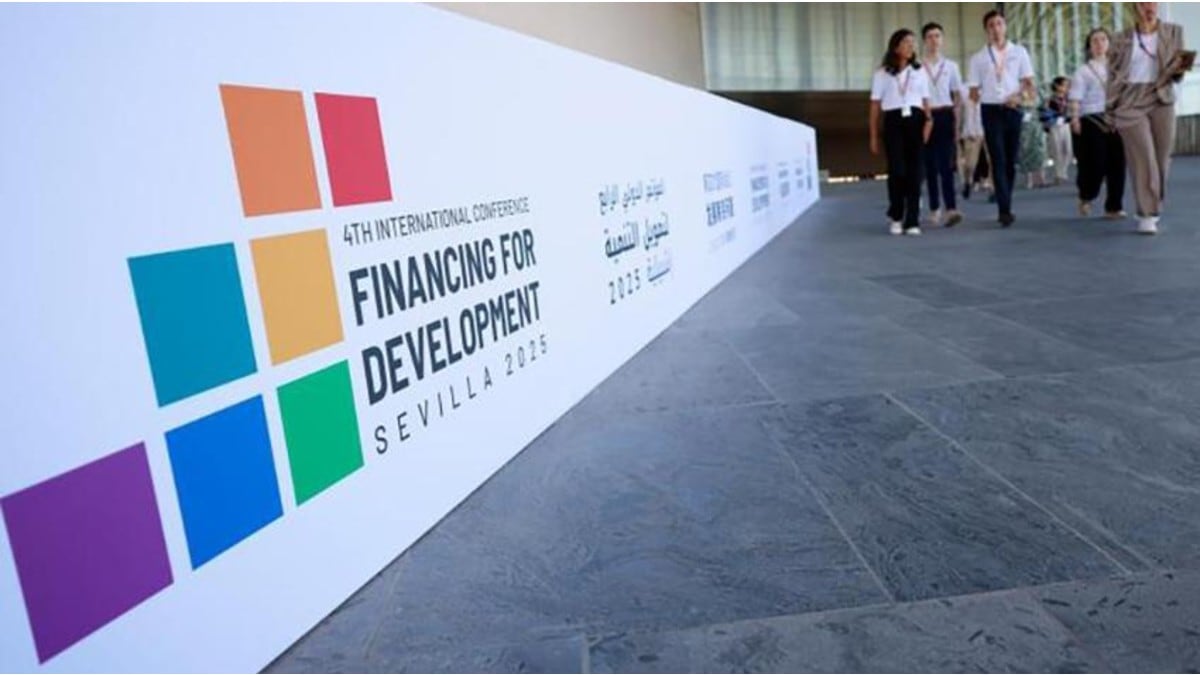
The FfD4, held from June 30 to July 3, was a decisive moment for reforming a global financial system that perpetuates inequalities and traditionally marginalises the Global South. The stakeholders put forward a transformative agenda based on support for a United Nations (UN) Framework Convention on International Tax Cooperation. In essence, members have rallied support for a convention that eliminates gender bias, combats illicit financial flows, and ends the race to the bottom in corporate taxes, including a public country-by-country reporting system and a global register of ultimate beneficial owners.
It led to a more refined set of discussions at the third session of the UN Intergovernmental Negotiating Committee (INC) in Nairobi, with focus on getting the draft text of the Convention in line with the FfD4 mandate. India’s ascent to influence multilateral policymaking at the behest of the Global South can be evidenced by its co-chairing of important discussions at the UN level in the upcoming cycle next year. Progressive, gender and climate responsive tax policies, with an eye on the universal tenets of justice and equity, remain high on the agenda.
The 30th UN Climate Change Conference, known as COP30, took place in the Amazon region, in the city of Belem in northern Brazil, from November 10 to 21. Despite record-high investment in renewable energy last year, emerging and developing economies face a USD 2.2-trillion financing gap each year through 2030 to meet their goals under the Paris Agreement. The calls to strengthen National Adaptation Plans and the Warsaw International Mechanism for Loss and Damage, with specific funding for vulnerable communities, grew by the hour with the COP stakeholders committing to a climate-robust future. In India, public expenditure on adaptation in India related to climate-resilient infrastructure, disaster management, and climate risk financing have gained momentum and seen an upward trend in spending post-Covid.
Policymakers have their task cut out to ensure the gradual introduction of targeted tax incentives to boost renewable alternatives. Additionally, India would do well to collaborate with its SAARC counterparts and design a regional green pact that leverages synergies and strengths between countries to create an ecosystem of innovation and regional cooperation. Such a pact should extrapolate the growing importance of tax and public financing as dual cornerstones to lead ebullient climate justice for the Global South.
The G20 Summit in Johannesburg on November 22 and 23, under the presidency of South Africa, closed off a vital year of multilateral opportunities. Under the slogan “Solidarity, Equality, Sustainability”, the South African presidency, according to its official discussion paper, identified objectives that complement the demands of FfD4 and COP30, aligning itself with a call to action. The summit, much like the FfD4 forum, has urged the UN INC to track financial flows, combat corruption, and strengthen international cooperation. On the flipside, the highly abstract and oft-unguarded definitions of “fair allocation of taxing rights” and “high-net worth individuals” have been put under the scanner.
India, in its bid to orchestrate tax as a superpower to ensure equity, should actively voice its concerns and provide for prescient alterations to the draft text of the convention. Access to a burgeoning marketplace and the need to realign definitions with global best practices and fiscal prudence should be a key determinant for India in the next round of negotiations.
2026 could be a great year for the multilateral agenda on economic justice. FfD4, COP30, and the G20 were opportunities for India to show its prowess for multilateral negotiations, while rejuvenating its domestic stance on tax policy. In Seville, although not with the expected ambition, progress was made on multilateral commitments to align financial flows with the development agenda and protect fiscal space for the guarantee of human rights. In Belém, India pushed for a greater pie in the climate agenda of justice and equity under the principle of shared but differentiated responsibilities, and it could be a numero uno for South Asia by laying the foundations for a regional green pact. Post-Johannesburg, it must consolidate these visions in front of the G7 countries, advancing a joint vision of the type of global financial architecture that can promote sustainable development, climate resilience, and the guarantee of rights. India finds itself at a watershed moment characterised by the “great power and greater responsibility” adage, as it charts its ascent to transcendentalism next year.