



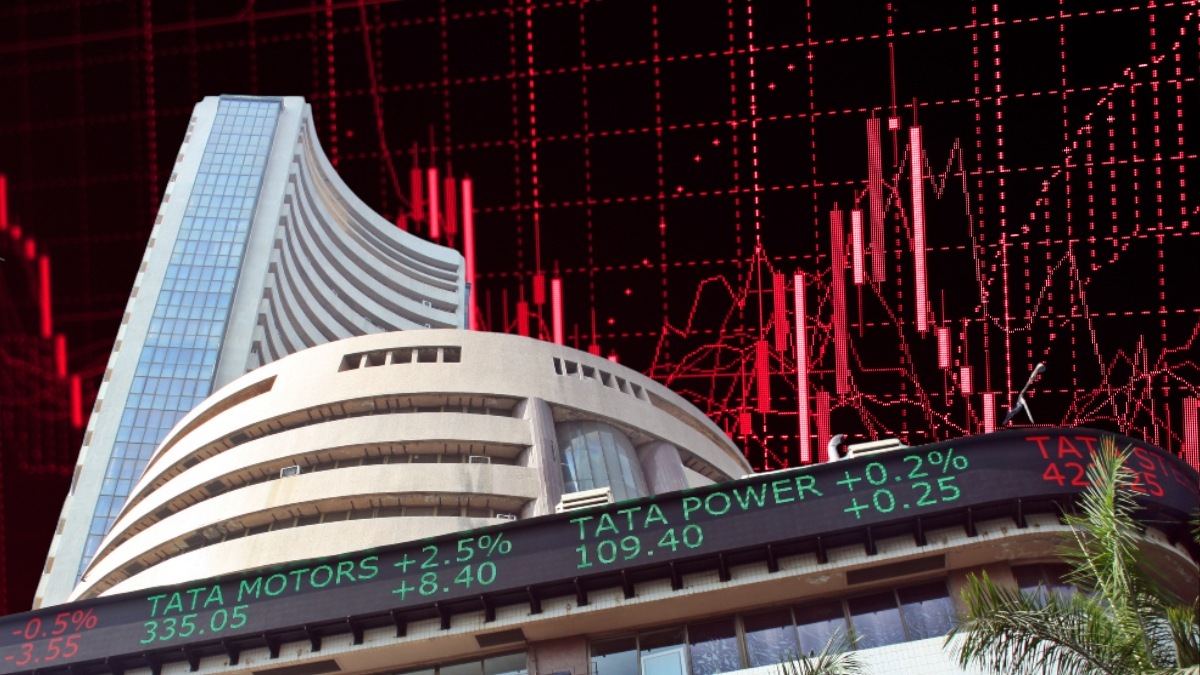
Stock exchange BSE on Monday reported a whopping 174% rise in its consolidated profit to ₹602 crore for the quarter ended December, driven primarily by a robust increase in revenue transaction charges. The company said it maintained a strong momentum in its trading segment on healthy volumes and increased client participation across key businesses.
Revenue from operations increased 62% to ₹1,244 crore. Revenue from transaction charges were up 83% from the year-ago quarter to ₹952.60 crore, accounting for three-fourths of the company’s top line. Such charges comprise revenue from the equity cash and derivatives, mutual funds, and clearing houses segments.
The second-biggest source of top line – services to corporates – saw a muted growth, up 4% on year to ₹156 crore. However, the non-core treasury income on clearing and settlement funds fell almost 12% to almost ₹43 crore.
What did Sundararaman Ramamurthy say?
“The improvement across both top line and bottom line performance underscores the company’s enhanced operational resilience, disciplined execution, and sustained financial momentum,” Sundararaman Ramamurthy, managing director and chief executive officer, said in a post-earnings analyst call. The year 2025 demonstrated that domestic capital could manage foreign outflows without systemic disruption, he said.
On the expenses front, the BSE spent a total of more than ₹511 crore, up 41% from a year ago. Of this, its regulatory contribution was ₹187 crore, accounting for more than a third of the overall expenditure for the quarter. Its employee expenses for the period increased over 60% to ₹93 crore, primarily due to the government’s New Labour Codes notified in November 2025.
Exchange on introduction of the closing auction session
On introduction of the closing auction session from August 3, 2026, the exchange said, “The shift is anchored in the objective of ensuring a fair, transparent and representative closing price, particularly given its critical role in derivatives settlement, index computation and mutual fund net asset value calculations.” The auction session will replace the existing methodology of determining closing prices to the volume-weighted average price of trades executed during the final 30 minutes of continuous trading.
On the Budget proposal to hike the securities transactions tax (STT) on equity derivatives, the management said whenever this tax had been raised in the past, it did not have any meaningful impact on volumes. “As far as futures are concerned, the thought process behind the move could be twofold. One is to encourage long-term equity investments among retailers, instead of getting into the derivatives, and secondly, to encourage longer-term future contracts, which may help mutual funds and other institutions which are permitted to trade derivatives,” the company said.