



Meta is putting all efforts to become a global leader in artificial intelligence. The company behind Facebook, Instagram, and WhatsApp is investing heavily in AI to stay ahead of competitors. But inside the company, not everyone agrees on how this future should be built.
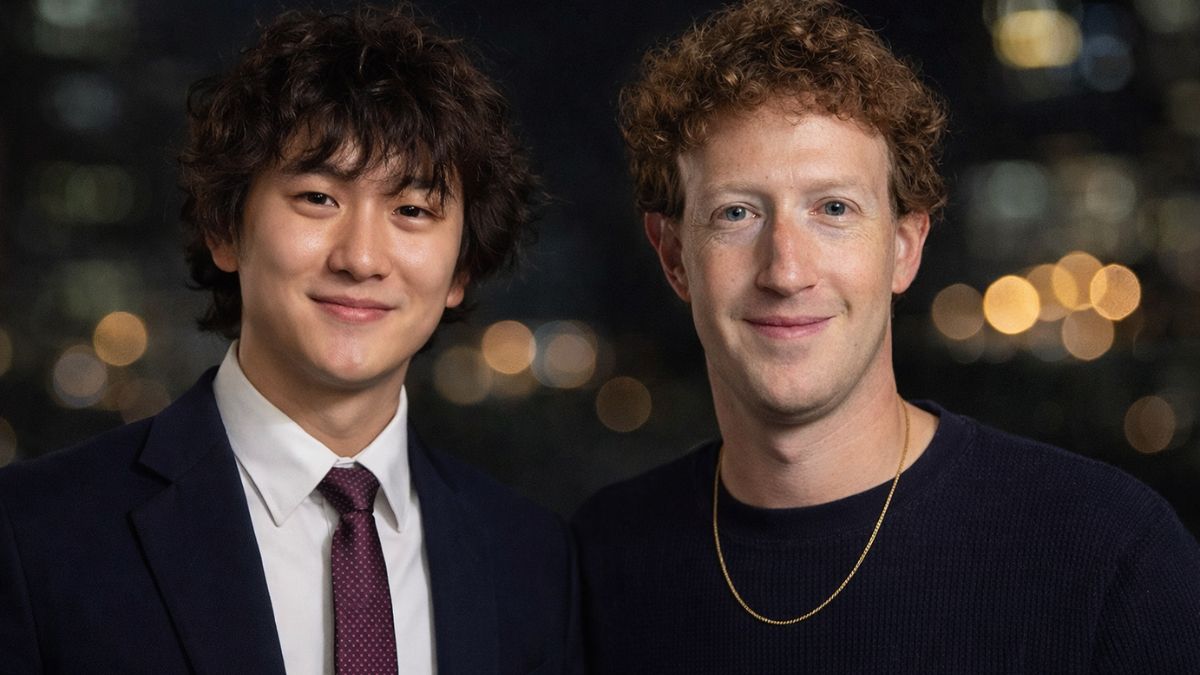
At the centre of this disagreement are Mark Zuckerberg, Meta’s CEO, and Alexander Wang, a young AI expert recently brought in to lead Meta’s advanced AI work. Interestingly the different approaches of both individuals iOS creating tension inside the company. According to a report from Financial Times what started as an exciting partnership is now showing signs of strain.
Costly and Ambitious AI Move
Meta made headlines when it invested around $14 billion to bring Alexander Wang on board. At just 28 years old, Alexander Wang is known for his deep knowledge of AI and was expected to help Meta build powerful new AI systems.
He now leads Meta’s Superintelligence Labs, a team focused on creating advanced AI models. Since the expectations were high, many inside Meta believed this move would put the company on par with top AI players like Google and OpenAI. However, things did not go as smoothly as planned.
Different Views on Control and Speed
One major issue is leadership style. Mark Zuckerberg is known for being very involved in decisions. While this has worked for Meta in the past, Alexander Wang and his team reportedly feel that too much control from the top slows down their work.
Alexander Wang wants more freedom to focus on building strong AI technology first. Mark Zuckerberg, on the other hand, wants AI tools that can quickly be used across Meta’s apps to improve ads, content, and user experience.
Disagreement on Strategy
This difference became clear during an important internal meeting. Meta’s senior leaders suggested using data from Facebook and Instagram to quickly build AI features. Alexander Wang disagreed, saying Meta should first focus on creating world-class AI models before pushing them into products.
This highlights a bigger challenge for Meta choosing between long-term research and short-term business goals.
Why This Matters?
The tension between the two raises important questions about Meta’s AI future. Some employees worry that these disagreements could slow progress at a time when AI competition is intense. Others believe healthy debate could lead to better decisions and stronger technology.
What happens next will be crucial. The way Meta handles this internal conflict could decide whether it becomes an AI leader or falls behind in one of the most important tech races of this decade.