



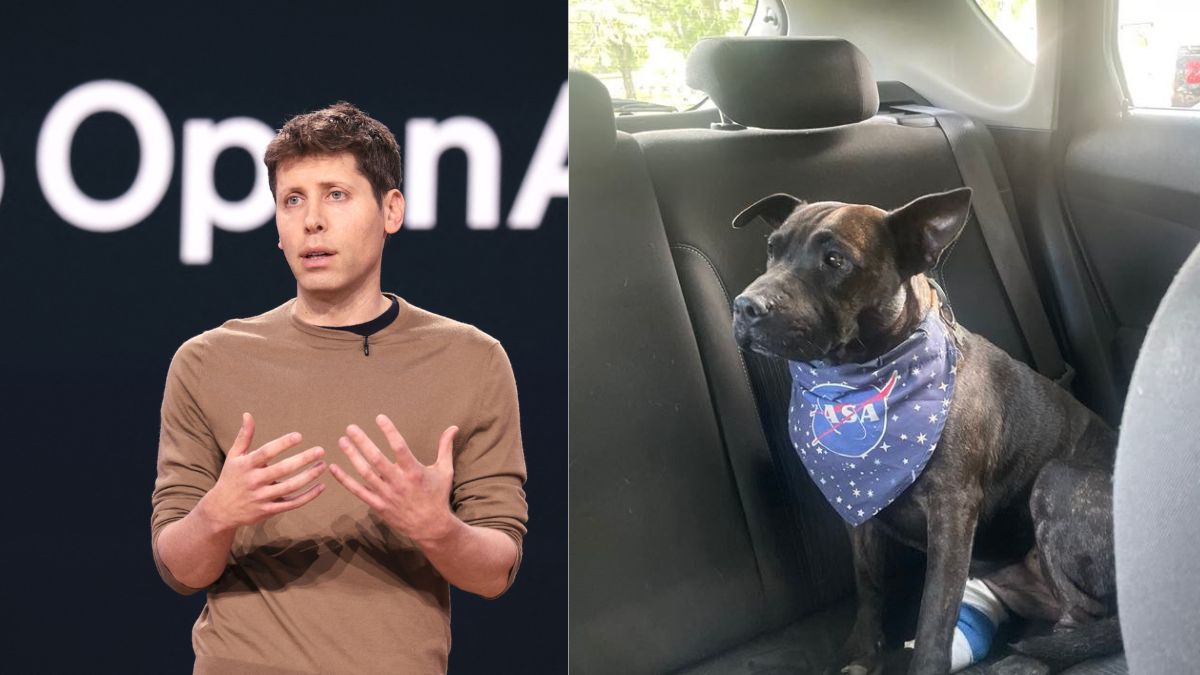
OpenAI CEO Sam Altman recently shared what he called one of his most interesting meetings. He met Paul Conyngham, the man who used artificial intelligence to help create a cancer treatment for his dog. Sam Altman described it as “the coolest meeting” of his week, showing how AI is now being used in areas like healthcare and science.
Sam Altman shared his reaction in a post on X, where he wrote “The coolest meeting I had this week was with Paul, who used ChatGPT and other LLMs to create an mRNA vaccine protocol to save his dog Rosie. It is amazing story”.
The cancer vaccine was developed for Rosie, Conyngham’s dog, who was diagnosed with cancer. After trying treatments like surgery and chemotherapy with limited success, Conyngham decided to explore AI tools for help. Instead of replacing doctors, AI acted as a support system to guide him through complex medical information.
DAY 5 of attempting to cure my dog's cancer using AI
— Paul S. Conyngham (@paul_conyngham) November 22, 2024
UPDATE: We finally found a way to sequence Rosie's DNA.
A thread 🧵 pic.twitter.com/0KPFAwxVGb
Using AI to understand the disease
Paul Conyngham started by studying the cancer in detail. With the help of tools like ChatGPT, he learned about cancer biology and possible treatments. He also got the tumour DNA tested and compared it with normal DNA. This created a large amount of data that needed analysis.
AI helped him process this data and find the key mutation causing the cancer.
One important mutation was found in the c-KIT gene, which is known to be linked to certain cancers. He also used AI tools like AlphaFold to understand how this mutation affected the body at a protein level.
AI created personalised treatment
After facing some challenges with earlier methods, Conyngham decided to try a different approach. He used AI to design a personalised mRNA vaccine for his dog. This vaccine was based on neoantigens small parts of mutated proteins that can help the immune system fight cancer.
The treatment was not just the vaccine. It also included other therapies like targeted drugs and immunotherapy.
AI helped in planning how these treatments should be used together, including dosage and timing. Even though AI played a big role, veterinarians and scientists were still essential in carrying out the treatment.
What this means for vaccines in future?
According to Sam Altman, this example shows how powerful AI can be, but it is not a complete solution on its own. Human experts are still very important.
This story shows that AI can help make complex medical research more accessible. In the future, it could lead to more personalised treatments. However, it will always need human guidance to be safe and effective.