



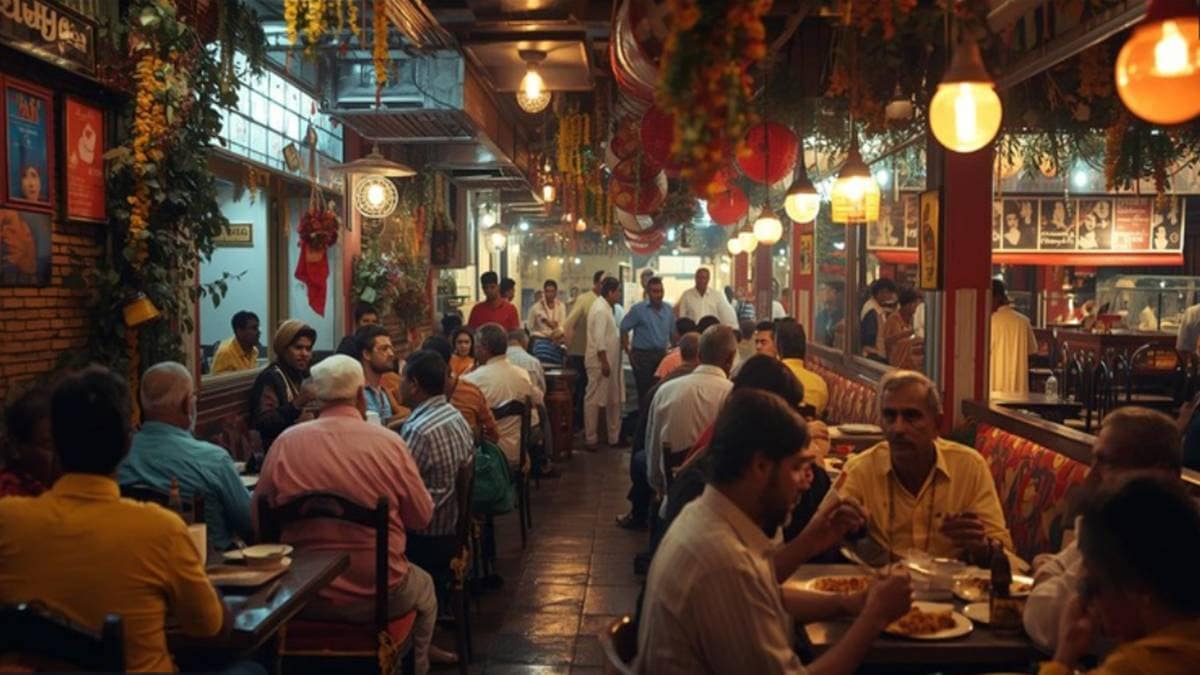
Mumbai restaurants and bakeries are increasingly passing on the pressure of the LPG disruption to customers, with many outlets either raising prices or planning to do so. A report by the Indian Express said that the cost strain, which many businesses had been absorbing quietly, is now becoming visible on bills as kitchens deal with limited fuel, costlier raw materials, and alternative cooking arrangements.
The burden is not restricted to gas alone. Vijay Shetty, owner of Udupi Shri Krishna and president of Indian Hotel & Restaurant Association (AHAR), told The Indian Express, “Vegetables, edible oil, plastic containers for delivery, and the induction stoves many had to purchase overnight-all have added up.” The Hotel and Restaurant Association of Western India (HRAWI) spokesperson Pradeep Shetty stated to PTI that operating costs in the hospitality sector have surged by roughly 20 per cent since the West Asia conflict began on February 28.
Why are restaurants increasing prices?
Many Mumbai eateries have already revised rates by 10 to 20 per cent. Shetty told the news outlet that supply continues to be far below requirements, saying, “Even 20 per cent of our requirements is too little.” The report also mentioned that the shortage started after a March 5 circular prioritised LPG supplies for domestic consumers, resulting in hoarding and black marketing.
What changes are diners experiencing?
Across the city, the response has varied from price hikes to shortened menus. As per the Indian Express report, Udipi Shri Krishna has cut around 30 percent of its menu. At Aram Vada Pav, Kaustubh Tambe said, “Oil has gone up to Rs 100 to 125 in a month. Coal, which we have switched to out of necessity, has surged from Rs 38 to Rs 60.”
What is the government saying?
The Centre has denied any nationwide supply breakdown. Petroleum Ministry Joint Secretary Sujata Sharma stated, “No dryout has been reported in LPG distributionships, all the petrol pumps are operating normally.” She also mentioned that “6500 tonnes of commercial LPG” were sold in a day. The commercial LPG allocation has now increased to about 70 percent of pre-crisis levels, and over 4,300 raids have been carried out against hoarding and black marketing, as reported by PTI.
What relief has been offered?
The government has doubled the quota of market-priced 5-kg LPG cylinders for migrant workers. For restaurants, however, the medium-term solution is increasingly shifting to PNG. The Indian Express also mentioned in its report that AHAR is helping members apply for piped gas links, though many outlets are still managing with coal, induction stoves, and diesel.
For now, the strain is clear, while officials say supplies remain stable overall, Mumbai’s food businesses are still dealing with costlier operations, reduced fuel access and a bill that is increasingly being shared with customers.