



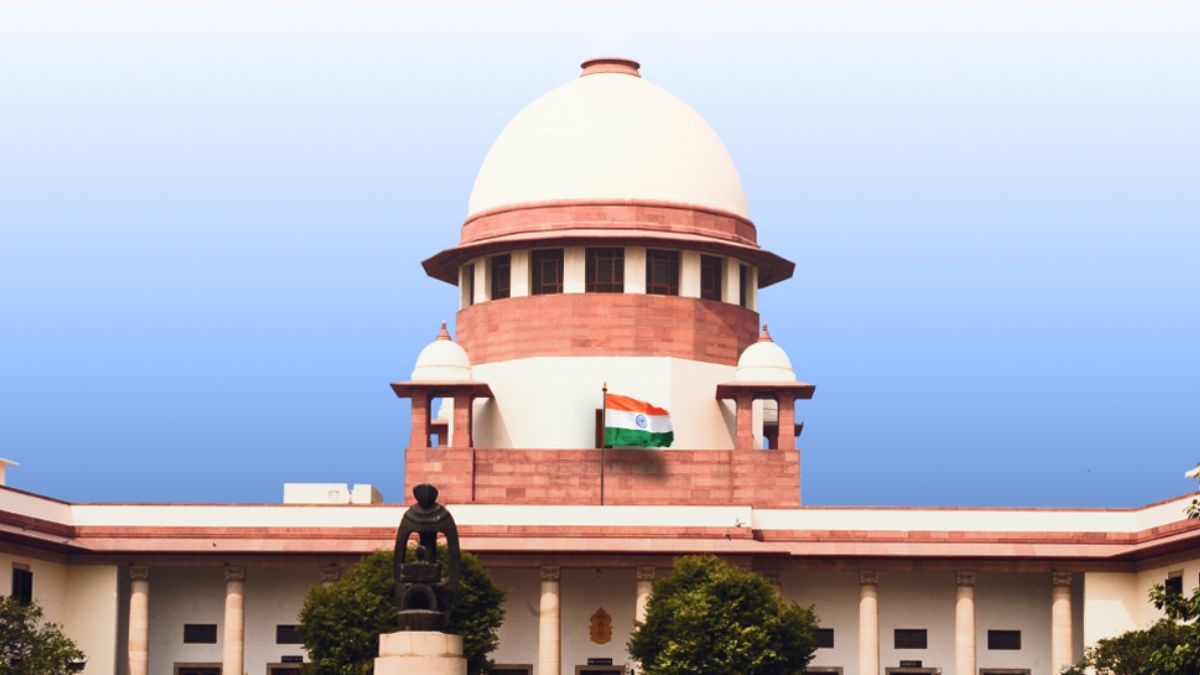
The Supreme Court of India came down heavily against ‘private pujas’ on Monday while hearing a plea related to the Banke Bihari temple in Vrindavan. A Bench led by Chief Justice Surya Kant voiced concern about changes in darshan timings and unauthorised ceremonies that some temple administrators were allowing for a price. The apex court had previously nixed plans to place the temple administration under a trust — forming an interim 14-member team led by a former Allahabad High Court judge to oversee daily operations.
“What they do is, after closing the temple at 12 noon… they do not allow the deity to rest even for a second… they exploit the deity like anything. The so-called affluent people, those who can afford to pay hefty amounts, they are allowed to do special pujas,” the CJI remarked orally.
The apex court is hearing a plea filed by some temple sewayats that raised questions about timing changes and the stopping of some pujas at the shrine. The temple had been placed under the supervision of a court-mandated committee in August as a new ordinance remained under legal scrutiny.
The bench of Chief Justice of India Surya Kant and Justices Joymalya Bagchi and Vipul M Pancholi also issued notice to the Uttar Pradesh government and the court-constituted High Powered Committee on a plea challenging the changed temple ‘darshan’ timings and discontinuation of Dehri Puja at the Bankey Bihari Ji Maharaj Temple, at Vrindavan in Mathura.
Who administers the temple?
The Supreme Court had stayed the operation of the Uttar Pradesh Shri Bankey Bihari Ji Temple Trust Ordinance 2025 last year. Instead it formed a 14-member Temple Management Committee under former Allahabad High Court judge Justice Ashok Kumar to “oversee and supervise the day-to-day functioning inside and outside” the temple. This committee remains in place as the Allahabad HC is yet to make a decision on the constitutional validity of the ordinance.
The petition was filed by the Management Committee of Thakur Shree Bankey Bihari Ji Maharaj Temple and objected to several decisions taken by the current administration.
What does the plea say?
Senior advocate Shyam Divan, appearing for the petitioner, raised concerns over changes in ‘darshan’ timings and temple practices.”These ‘darshan’ timings are part of tradition and rituals. The temple’s public hours are part of a long tradition. The change in temple timings has led to a change in the internal temple rituals, including the timings when the deity wakes up in the morning and sleeps at night,” he argued.
The plea stated that it is contrary to the earlier direction of the top court in the order dated August 8, where it was clarified that there will be no intervention by the High Powered Committee in the internal temple functioning, which included the practice of conducting of puja/seva and prasad. The plea also stated that the High Powered Committee’s stopping of the Dehri Puja, done between Guru and Shishyas, is also contrary to the August 8 directions.