



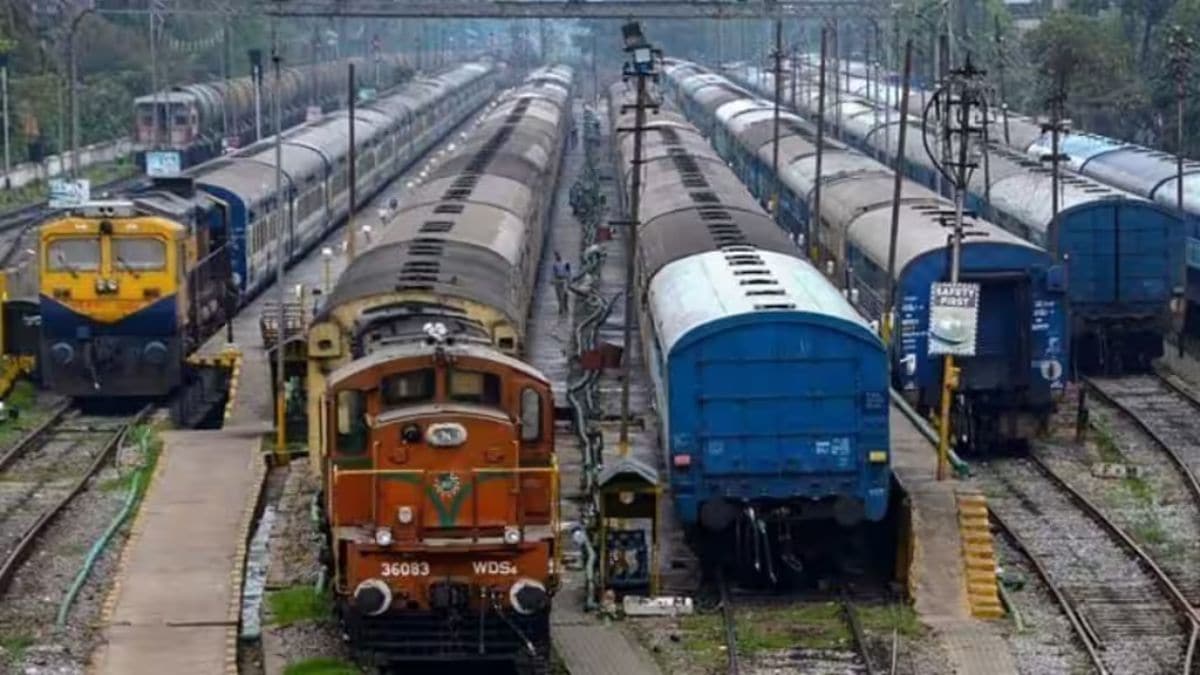
Indian Railways’ helpline number 139 is one of the largest in the world, handling over 300,000 calls on a typical day. In recent years, it has undergone a significant transformation, shifting from a call center-based system to a predominantly automated one. Now, users can access information such as train schedules, ticket confirmations, and train routes in multiple Indian languages, with responses provided in seconds. This system eliminates previous issues like dropped calls and long wait times, which were common when 200 calls were being handled every minute by human agents.
One of the most interesting recent developments is in the complaints section of the IVR system. Passengers can now report issues like dirty toilets, missing bedrolls, or urgent medical needs by speaking in natural language, and the system processes these requests quickly. Currently available in Hindi and English, the service is expanding to include languages like Telugu and Bengali.
According to a report in The Times of India, Indian Railways has enhanced its backend resources to address these complaints more effectively, but what’s especially noteworthy is the ease with which passengers can file complaints and receive timely responses, thanks to the system’s automation.
This entire transformation has been driven by a Bengaluru-based company called Ubona, which uses automation technologies and Generative AI. Ubona, founded in 2007 by Jyotirmoy Chakraborty (JC), Umesh Singhal, and Vishal Lal, initially focused on speech recognition software. They started by working with restaurants, and later partnered with Airtel to provide voice search for ringback tones, managing Airtel’s music portfolio.
However, when Jio entered the market offering similar services for free, Ubona’s business took a hit. The company persevered, scaling its voice technologies through cloud computing and focusing on automating customer service for large enterprises.
The report stated that Ubona serves many banks, insurance companies, and e-commerce platforms like Flipkart nowadays, helping them with voice and chat-based services for customer interactions. For Flipkart’s Big Billion Days sale, for instance, Ubona’s system is expected to handle 15 million calls daily to confirm cash-on-delivery orders, reducing return rates.
Ubona’s expertise in automating large-scale customer interactions helped them secure the Indian Railways 139 helpline contract when it was up for renewal last year. The Railways wanted a modern solution with AI/ML capabilities and regional language support. Ubona’s automated system costs just 60 paise per call, compared to the Rs 4 per call in the previous manual setup, leading to significant savings for the Railways. It also enabled more regional language calls, with 58% in Hindi but substantial numbers in Marathi, Bengali, and Telugu, making the system more accessible to a wider audience.
What stands out even more is Ubona’s new GenAI system for handling complaints. Passengers can simply state an issue, like “Mere compartment mein paani nahi hai” (My compartment has no water), along with their PNR number, and the system will automatically identify the problem, train, and coach, and alert the appropriate railway personnel. This system has dramatically reduced the number of calls going to human agents. Due to this success, Ubona has also won the contract to automate IRCTC’s 14646 helpline, which will be operational in a few months.