



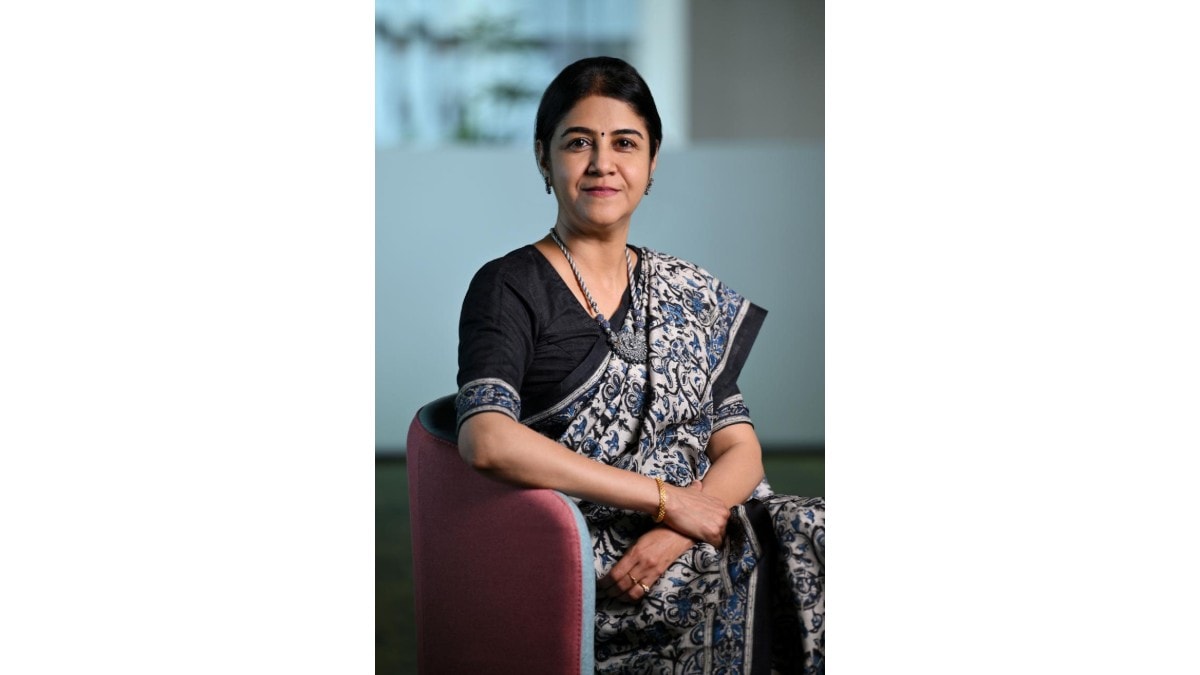
BHIM is repositioning itself from a reference UPI app to a consumer-facing payments platform, with focus on product, partnerships and targeted use cases. Lalitha Nataraj, MD & CEO, of NPCI BHIM Services, explains the strategy to Ojasvi Gupta. Excerpts:
Q. BHIM had a first-mover advantage but remains below 1% market share. Why did it not scale?
A. BHIM’s role was different initially. It was launched as a neutral reference app for UPI and used to demonstrate features. Growth, branding and retention were not the mandate. Over the past 12–18 months, after becoming a subsidiary, the focus has shifted to customer acquisition, retention and product capabilities.
Q. Did NPCI’s neutrality limit its ability to compete with the likes of PhonePe and Google Pay?
A. NPCI’s neutrality remains. The same rules apply to all apps, including BHIM. Earlier, we were a reference app. Now we operate like any other payments app, with focus on visibility, features and user engagement.
Q. Was avoiding cashback-led growth a missed opportunity?
A. Incentives help users try an app. Many early BHIM users became inactive and moved to other apps. To bring them back, incentives are one lever, but product experience matters for retention. Behaviour change takes time.
Q. How is BHIM’s strategy different now?
A. First, we are strengthening the app to match market standards on reliability and trust. Second, we are working closely with banks by offering our UPI stack for integration into their apps. Third, we are focusing on use cases such as government flows, DBT and self-help groups where payments are embedded.
Q. What drove the spin-off into a separate entity?
A. It was not about market concentration. UPI users already use multiple apps. The idea was to position BHIM as another option and build visibility. The app had features but lacked market outreach.
Q. How do you view cashback-heavy competition?
A. Incentives can drive trials, but users stay only if the experience meets expectations. Different users respond to different triggers – rewards, features or simplicity. We have to address all segments.
Q. Is BHIM a minimalist payments app while others are financial platforms?
A. Payments will remain the core. Beyond that, we are adding services with bank partnerships, such as credit cards and credit score access. The approach is incremental, not a full platform build-out.
Q. What gives you confidence of gaining share now?
A. The focus is on meaningful growth. Segments like bill payments, RuPay credit cards and UPI Lite are seeing traction. We are improving features and user experience to drive steady growth.
Q. Do you have market share targets?
A. The focus is on capability building rather than specific numbers – technology stack, service quality and complaint resolution. Growth should follow improvements in these areas.
Q. Do you see a need for regulatory support like market share caps?
A. No. The ecosystem already offers multiple choices. Growth should come from product quality and reliability.
Q. How are you addressing merchant ecosystem gaps?
A. We are a consumer app. Merchant acquiring is handled by banks. We support banks with technology and collaborate across the ecosystem.
Q. Are you at par with peers on product and user experience?
A. Each app has evolved over time. We have gaps to address and are working on them. The focus is on simplicity and predictable user flows.
Q. Which features are driving traction?
A. Features like UPI Circle and biometric authentication are seeing adoption. These address trust and ease-of-use barriers for new users.