



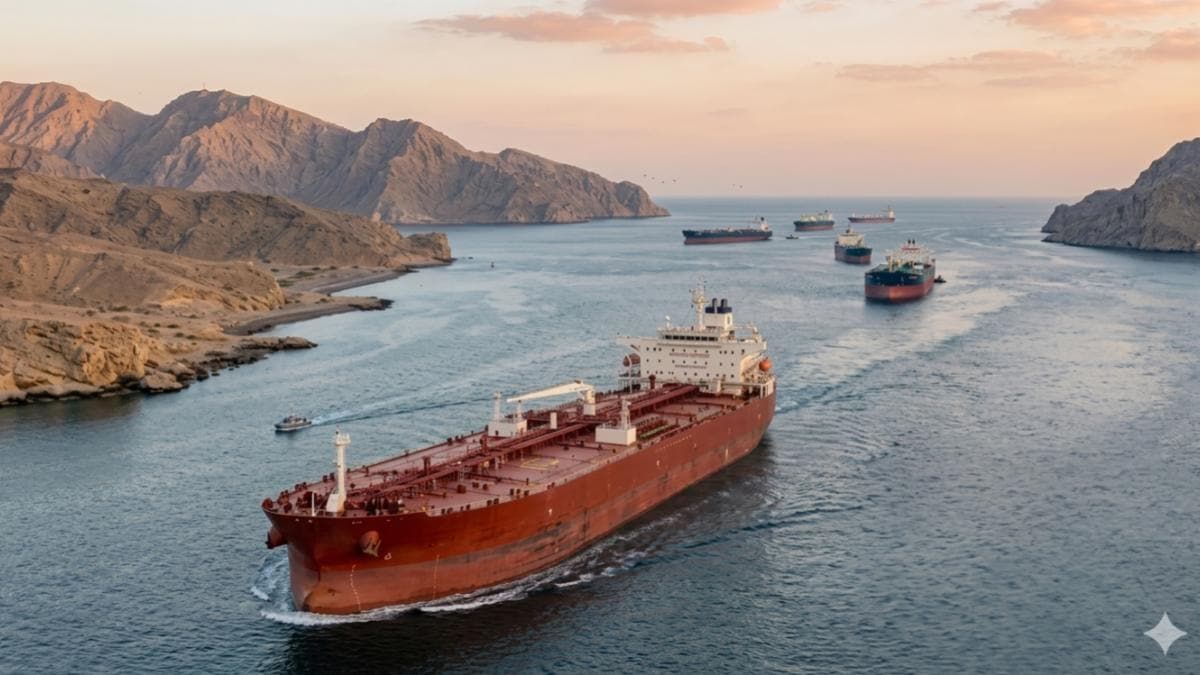
Ten India-bound foreign energy cargoes stranded in the Persian Gulf have emerged as the first visible disruption to India’s fuel supply chain amid escalating tensions in West Asia.
The stranded vessels include three LPG carriers, four crude oil tankers and three LNG cargoes, Rajesh Sinha, special secretary at the ministry of ports, shipping and waterways said on Monday.
“Our priority was to bring Indian flagged vessels first and we are moving forward in this way. Of the total foreign flagged energy carrying cargoes bound for India in the Persian gulf, three are LPG vessels, four are crude oil, and three LNG. All are foreign flagged and carrying cargo bound for India,” Sinha said.
Indian-flagged vessels carrying India-bound cargo have been given priority to transit through the Strait of Hormuz, with 18 such vessels currently positioned west of the Strait, officials said.
Signs of early movement
There are early signs of movement, with two LPG carriers — BW TYR and BW ELM — carrying about 94,000 metric tonne of LPG having safely transited the region. BW TYR is proceeding towards Mumbai with an expected time of arrival on March 31, 2026, while BW ELM is en route to New Mangalore with an estimated arrival date of April 1, 2026.
Despite the shipping disruption, the government said domestic fuel supplies remain stable. “We have adequate stocks of petrol, diesel, LPG and LNG. Crude inventories are adequate,” said Sujata Sharma, joint secretary, petroleum ministry.
Officials said supply buffers remain in place, with around 800,000 metric tonnes of LPG cargoes already secured and en route, while the net daily LPG import requirement has come down to 30,000 metric tonnes.
“On the gas side, supply has been prioritised for essential segments, with 100% allocation to domestic PNG and CNG transport and about 80% supply maintained for industrial and commercial users,” she added.