



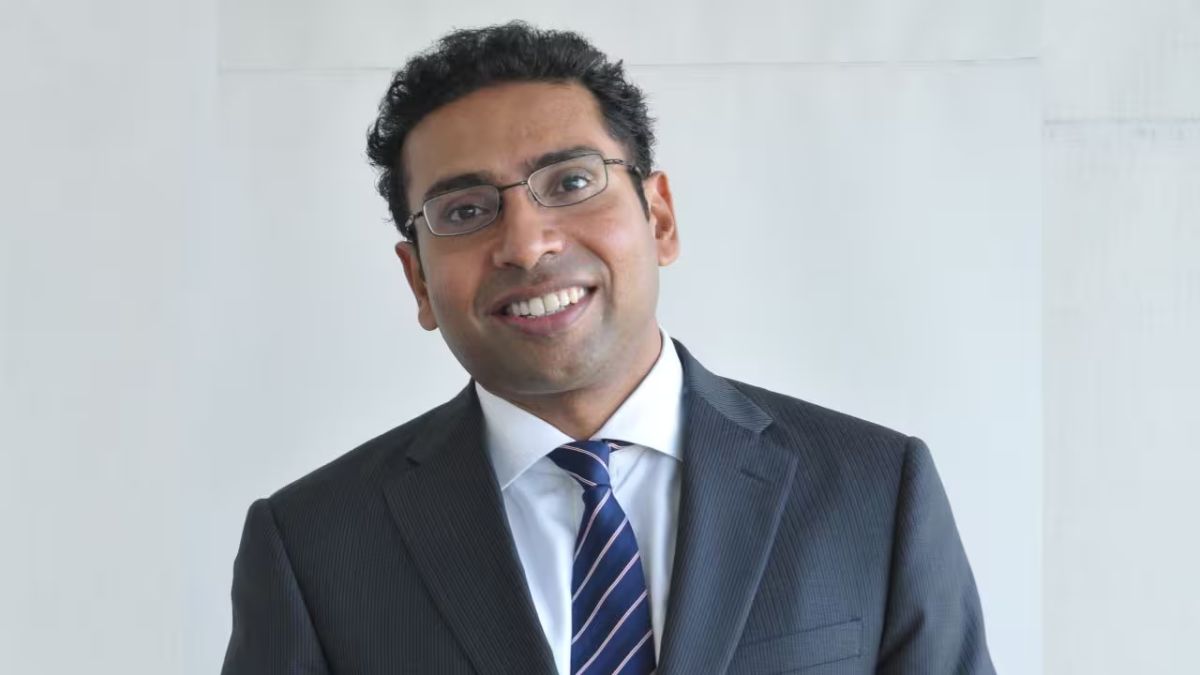
Saurabh Mukherjea has pushed back against recent criticism over his global investment allocation, saying this has been long planned and consistently communicated. Responding to a LinkedIn post, the founder of Marcellus Investment Managers wrote, “thanks for highlighting my global investments. I made these investments 3 yrs ago and have spoken and written about it consistently since then.”
He added that Marcellus has been helping Indian investors diversify internationally through GIFT City since October 2022. Addressing the timing of the backlash, Mukherjea said, “only when domestic stockmarket returns started tanking were people willing to pay notice to our global investments but that’s fine. That comes with the territory of being a pioneer.”
A calibrated shift, not a sudden exit
Mukherjea’s own portfolio shows a gradual reduction in India exposure rather than a sharp pullback. Four years ago, about 70% of his wealth was invested in India. As concerns around elevated valuations, job creation, and wage growth increased, he steadily rebalanced. Today, his allocation stands at a 50-50 split between Indian and global assets, a level he does not plan to change for now.
In a recent interaction with ET Now, he explained that this is a structured approach to diversification, aimed at managing long-term risks while participating in global opportunities, rather than reacting to short-term market cycles.
Mukherjea on 50:50 India–US investing
Saurabh Mukherjea has long argued for a balanced allocation between India and the US, positioning it as a practical hedge against taxes, currency depreciation and global expenses. Speaking at an event in Bengaluru in December 2025, he broke it down in simple terms: “Assume, you’re working hard in Bangalore, you’re earning 100 rupees… 30 to 35 rupees goes in income tax… then around 15 to 20 rupees on GST. So, 55 bucks will be gone in paying tax alone. You’re left with 45 rupees in your hand.”
He then pointed to currency impact, adding that “in the last 10 years, rupee depreciation has taken away 30,” underscoring how domestic earnings lose value when measured against global costs.
Mukherjea said this realisation shaped his push for global diversification. “We created a global fund initially because I realised that sending kids abroad to study, investing in local mutual funds is not going to cut it,” he explained. According to him, when returns from Indian mutual funds are adjusted for the rupee’s weakness, they often fall short of funding international education or other global goals.
He further argued that relying only on domestic investments exposes investors to structural challenges such as currency depreciation and relatively weaker earnings growth. “Investing in desi mutual funds… it’s not going to be able to finance global education. That’s why we started Global Compounders,” he said, reinforcing his case for a 50:50 India–US strategy as a way to align investments with increasingly global financial needs.
Disclaimer: This article is for informational purposes only and does not constitute financial advice. Please consult a qualified professional before making investment decisions.