



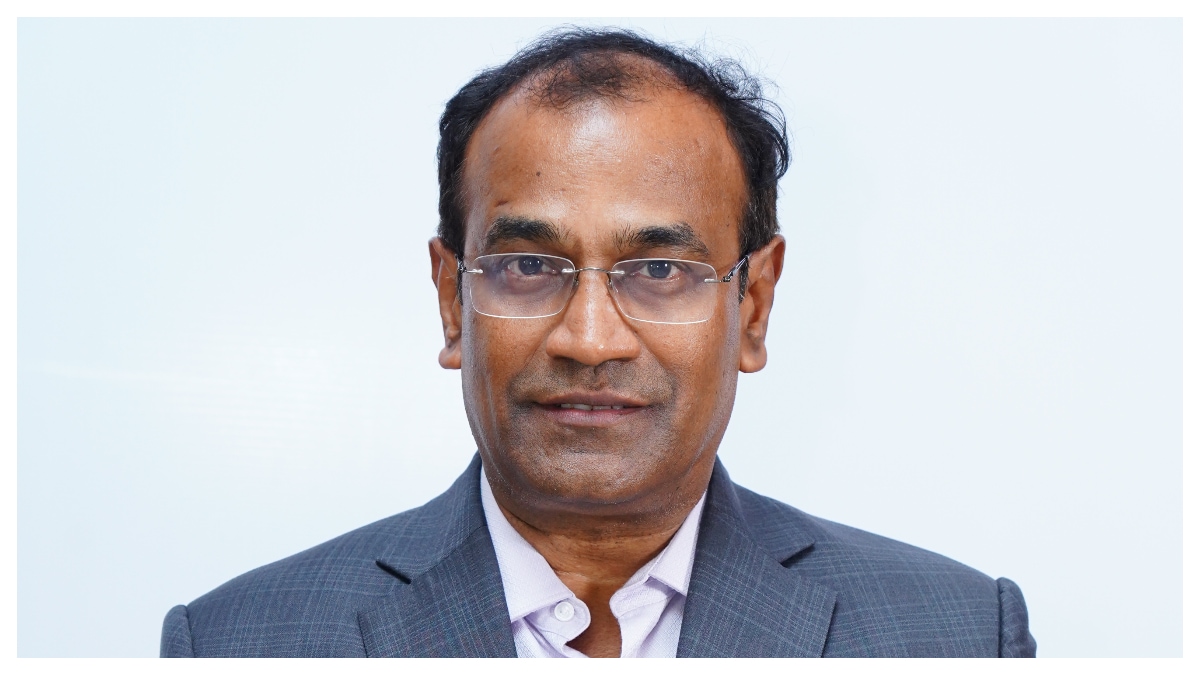
Switch Mobility closed FY26 strongly with a robust rise in bus and LCV sales. With an order book of over 1,600 buses and annual capacity of 5,000–7,500 units, the company is gearing up for another year of expansion. CEO Ganesh Mani speaks to Akbar Merchant about the company’s growth drivers, competition, exports and the evolving EV ecosystem. Excerpts:
Can you share your yearly and quarterly sales performance and how did momentum trend through Q4?
FY26 was a strong execution year. Bus volumes rose from 444 units in FY25 to 1,166 units in FY26. Quarterly momentum improved steadily, from 177 units in Q1 to 542 units in Q4, compared with 326 units in Q4 FY25. This reflects better readiness, delivery capability and growing market acceptance.
What drove this scale-up versus peers?
Growth has been driven by policy support and consistent execution. In a nascent EV market, customer confidence depends on product reliability, uptime and service. We focus on lifecycle-led total cost of ownership (TCO), supported by battery management systems and SWITCH iON for real-time monitoring. We deliver 98% uptime and over 95% customer satisfaction with 24×7 support.
How do you interpret FY26 volumes growth?
Growth was strong across segments. Bus volumes increased from 444 units to 1,166, while LCV volumes rose from 536 to 1,142 units. In buses, state transport undertakings tenders were a key driver, but new applications such as intercity, staff transport and tarmac operations are contributing. In LCVs, growth is broad-based across retail and government-led use cases like waste management. While tenders remain important, demand-led adoption is emerging.
How do you assess your current ranking across segments?
We have established ourselves as one of the leading players in both electric buses and LCVs in FY26. We will continue expanding our portfolio, improving cost efficiency and focusing on execution to strengthen this position.
How have revenues and margins evolved?
Over the past three years, revenue has doubled year-on-year, reflecting scale-up. Higher volumes are improving operating leverage and unit economics through better utilisation and cost discipline. We remain focused on a product-led model, while service-led contracts are managed by group entity OHM Mobility and other operators.
What is your outlook for FY27?
FY27 is expected to be a strong execution year, especially in buses, with deliveries aligned to an existing order pipeline. Based on current visibility, both volumes & revenue are expected to double. The EV bus market is projected to grow from about 4% to 15% by FY30, supported by multiple tenders.
How strong is your order book and pipeline?
We have an order book of over 1,600 buses, providing near- to medium-term visibility. This is supported by central programmes such as CESL and schemes like PM e-Bus Sewa, along with state-level electrification initiatives.
What is the status of deliveries under key programmes?
Deliveries are progressing in phases, typical of large-scale deployments. We have rolled out over 470 electric buses in Delhi as part of a 950-bus order and completed delivery of 625 buses to MTC, reflecting steady on-ground execution aligned with city readiness.
What is your manufacturing capacity and product roadmap?
We have annual capacity of 5,000–7,500 buses, supported by facilities in India, including a platinum-certified industry 4.0 plant in Lucknow. We are also exploring a dedicated manufacturing line in UAE for exports.
How are you expanding your dealer network?
We leverage the Ashok Leyland network and currently have around 100 dealers, which we plan to double in FY27. EV adoption among goods transport operators remains low, indicating growth potential. Geographically, eastern, northeastern and central regions offer opportunities.
What is your exports strategy?
We are targeting SAARC, Africa and GCC markets, leveraging the Ashok Leyland ecosystem. We have around 88% market share in export tenders from India where domestic OEMs have participated. Deployments have been executed in Mauritius, with supplies initiated in Nepal and engagements underway in Bhutan, Seychelles and Sri Lanka. We are also exploring Asean and European markets.