



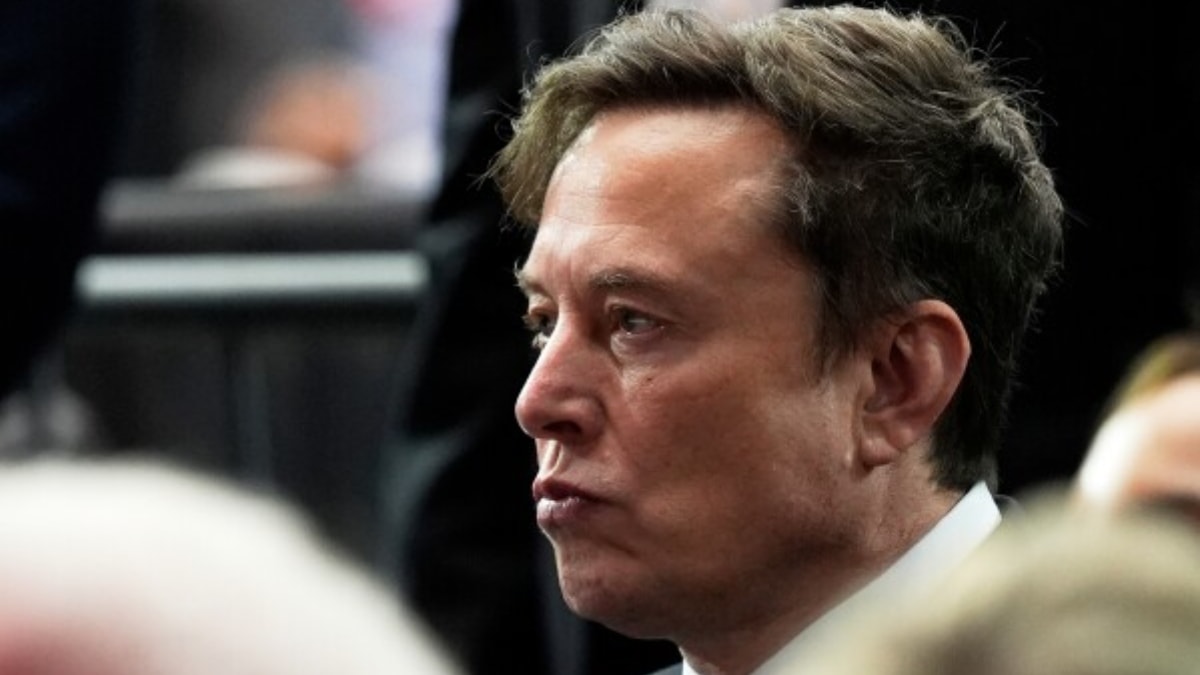
Billionaire businessman Elon Musk lost his lawsuit against OpenAI on Monday evening after a high-profile trial that included name-calling and strong accusations against both leaders. The jury found the artificial intelligence company not liable to the world’s richest person for having allegedly strayed from its original mission to benefit humanity. The federal court said in a unanimous verdict that Musk had brought his case too late.
Musk to file appeal against verdict
“The judge and jury never actually ruled on the merits of the case, just on a calendar technicality. There is no question to anyone following the case in detail that Altman and Brockman did in fact enrich themselves by stealing a charity. The only question is WHEN they did it! I will be filing an appeal with the Ninth Circuit, because creating a precedent to loot charities is incredibly destructive to charitable giving in America. OpenAI was founded to benefit all of humanity,” a defiant Musk posted on X.
According to a Reuters report, US District Judge Yvonne Gonzalez Rogers, who oversaw the trial, said in court after the verdict that Musk may face an uphill battle in an appeal, because whether the statute of limitations ran out before he sued was a factual issue.
“There’s a substantial amount of evidence to support the jury’s finding, which is why I was prepared to dismiss on the spot,” the judge said.
What is the case?
OpenAI was founded by Altman, Musk and several others in 2015. The Tesla and SpaceX CEO left its board in 2018 — with the artificial intelligence company setting up a for-profit business the next year. The lawsuit from Musk had accused OpenAI, Altman and Brockman of manipulating him into handing over $38 million. He claims that they had subsequently gone behind his back by attaching a for-profit business to its original nonprofit and accepting tens of billions of dollars from Microsoft and other investors.
OpenAI had countered that it was Musk who saw dollar signs, and waited too long to claim OpenAI breached its founding agreement to build safe artificial intelligence to benefit humanity.
Musk had a three-year statute of limitations to sue, and OpenAI’s lawyers said his August 2024 lawsuit came too late because he knew several years earlier about OpenAI’s growth plans.
IPO route cleared
The verdict simplifies the path for OpenAI to proceed with a possible initial public offering that could value the business at $1 trillion. But the three-week trial included a litany of damaging accusations that will likely create credibility concerns for both Musk and Altman. The latter must also address the challenges to his reputation from some extremely personal testimony during the trial, including multiple witnesses describing him as a liar. Microsoft had also faced an aiding-and-abetting claim after an executive testified that the company has spent more than $100 billion on its partnership with OpenAI.