



By Gautam Madhavan
Storytelling has always been one of the most powerful ways to connect with people. Earlier creators focused mainly on entertaining, informing, or inspiring audiences. Their role was often limited to crafting narratives, performing, or producing art. But the digital era has changed this identity. Today, they are not only storytellers but also technopreneurs who use technology to build businesses around creativity.
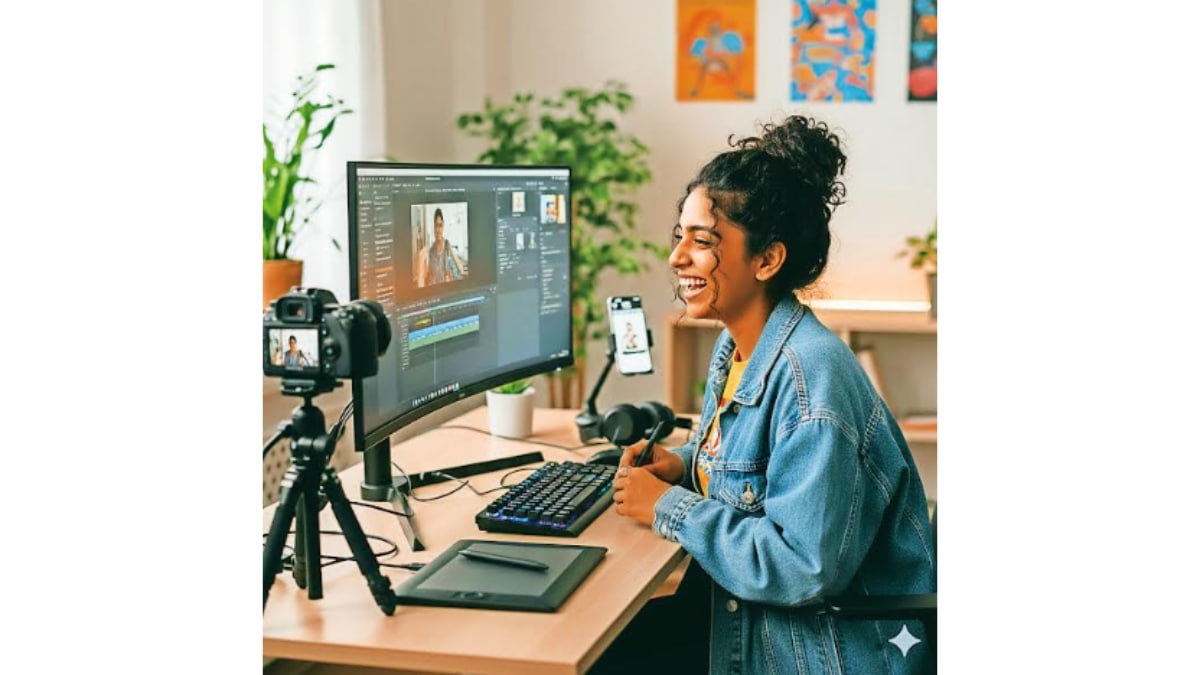
This change has been driven by the availability of digital tools. With just a smartphone, internet connection, and basic software, individuals can now produce, edit, and share content at a global scale. They no longer depend on publishers, studios, or media houses for distribution. They are now in control of how they reach people, engage audiences, and turn creativity into income.
Storytelling as identity
Monetisation opportunities have also expanded significantly. Instead of relying only on sponsorships or ad revenue, creators are setting up multiple income channels. These include subscription models, merchandise, online workshops, and even licensing their work. Data analytics allows them to understand what audiences enjoy and fine-tune their strategies. This approach transforms a creative pursuit into a structured business.
Scalability is another major factor. Earlier, a storyteller’s influence was often limited to their immediate surroundings. Now, content can travel across borders instantly. Features like automated translation, recommendation systems, and live interaction help creators connect with diverse audiences. Many creators are no longer confined to one platform but spread their work across different digital spaces to build resilience and expand reach.
Innovation has become central to this evolution. Creators are experimenting with emerging formats such as virtual reality, augmented reality, and interactive media. Artificial intelligence is being used to support scriptwriting, video editing, design, and even audience engagement. This experimentation allows creators to constantly evolve and stand out.
Technology democratises creation
The professional structure of the creator economy is also changing. Many creators now function like startups. They employ small teams for production, marketing, and technical support. This shift from individual effort to organised collaboration shows how the creator economy is moving toward maturity. It is no longer seen as a side hobby but as a serious career option.
This rise of the tech-enabled creator also reflects larger changes in society. It shows how creativity can become a tool for independence and economic opportunity. Younger generations, in particular, are beginning to view creative expression not just as passion but as a career path where technology amplifies talent.
The move from storytellers to technopreneurs marks a new chapter. Creators are no longer only voices or performers; they are builders of communities, businesses, and new ideas. The future belongs to those who can combine creativity with technology, using imagination not only to tell stories but also to create sustainable enterprises.
The author is founder & CEO, Xley.ai