



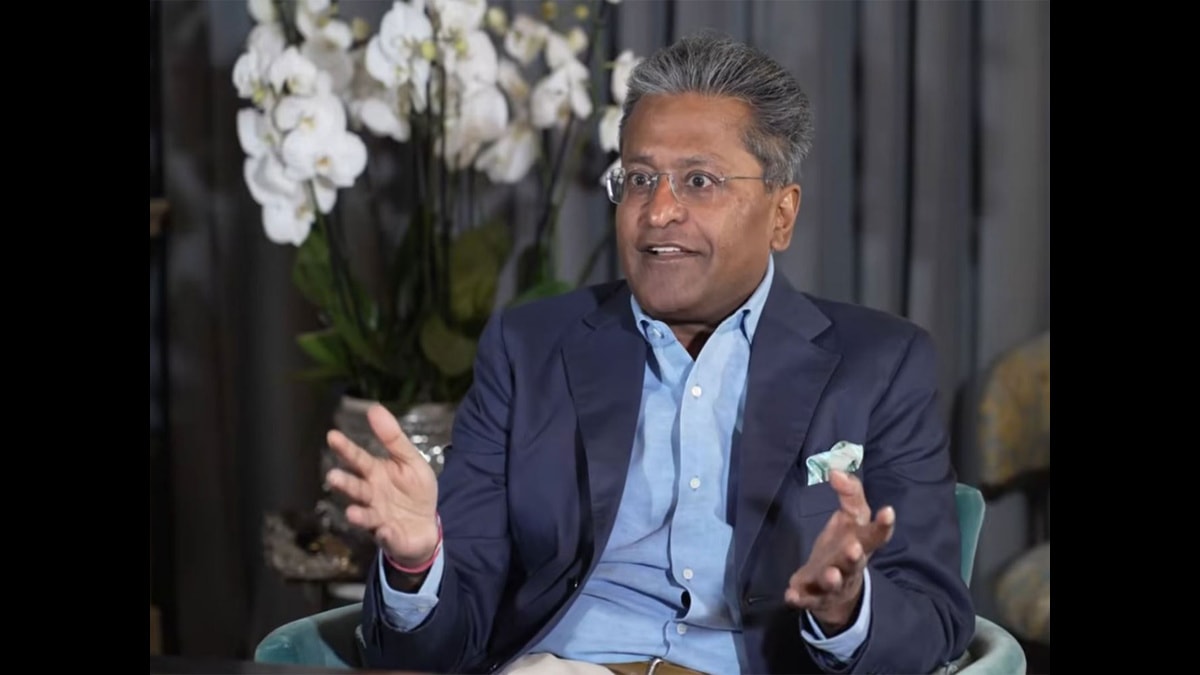
Former Indian Premier League (IPL) chairman Lalit Modi has strongly rejected the label of ‘fugitive,’ saying he has never been convicted of any crime and blamed media for damaging his business reputation. In an exclusive interview with news agency ANI, Lalit Modi argued that prolonged legal uncertainty and relentless public allegations have been punitive in themselves and undermined his commercial prospects, even as Indian authorities continue investigations and pursue extradition avenues.
Business fallout from prolonged allegations
From a business perspective, Lalit Modi said the sustained public allegations over the past decade-plus have had tangible consequences. While he rejected that any criminal conviction exists against him, he argued that slow judicial processes and ongoing investigations- by central agencies such as the Enforcement Directorate (ED) and disciplinary actions by cricket authorities- have hindered his ability to rebuild or expand commercial ventures linked to sports, media and events.
Media narrative versus legal reality
“I’m not running at all. I’m going all over the world. If I was running, you would be picking me up somewhere or the other,” Lalit Modi told ANI, adding that he believes the criticism stems from press coverage rather than enforceable court findings. “The Indian government has a long arm… You can’t take on the government of India. And I don’t intend to. It’s not the government. It’s the media,” he said, critiquing what he called India’s weak defamation laws. “You have no libel in your country, in our country. You can say what you want and I sell news.”
#WATCH | On the 'fugitive' tag, IPL founder and first chairman Lalit Modi says, "I'm not running at all… The Indian government has a long arm. You can't take on the government of India. And I don't intend to, and I don't want to… Not a single case against me has been… pic.twitter.com/zwqALNoY1g
— ANI (@ANI) June 4, 2026
“Not a single case against me has been registered. If I have been so bad, and everybody says I’ve been so bad, OK, please, guys, go out and prosecute me,” he said. His point underscores how reputational risk, independent of legal verdicts, can deter investors, partners and sponsors who are sensitive to public controversies and regulatory overhangs.
Legal status, investigations and extradition push
Lalit Modi faces a long list of allegations dating to his 2010 departure from India, including bid‑rigging related to IPL franchise allocations, alleged money‑laundering and violations of the Foreign Exchange Management Act (FEMA). The Enforcement Directorate (ED) is investigating alleged financial misconduct and unauthorised transfers during his IPL tenure, while the Ministry of External Affairs (MEA) and other agencies have pursued extradition protocols under domestic and international law.
Yet Lalit Modi emphasised that “no criminal charges have stuck,” framing his situation as one of unresolved inquiries rather than proven wrongdoing. He also questioned the practical basis for any sudden attempt to detain him after years without formal prosecution, “Arrest you want to do, you have to take me to court. 17 years you haven’t taken me to court. How can you arrest me today? If there was something there, it would be out.”
Strategic shift on returning to India
Pressed on whether he intends to return to India to clear his name, Lalit Modi said his priorities have shifted and that the drive to return has faded. “There was a time when I did want to come back. And I had all the reasons to come back. Come back and do what?… I don’t need to prove to anybody,” he told media. For business observers, his reluctance to return underscores the practical challenge of resolving cross‑border reputational and legal disputes that influence access to Indian markets, partnerships and regulatory approvals.
What are the implications for investors, sports businesses and governance?
The Lalit Modi case highlights several business‑relevant themes- the cost of reputational damage when high‑profile executives face long‑running allegations; the deterrent effect on sponsors, investors and strategic partners; and the role of legal and regulatory clarity in enabling or constraining career and commercial comebacks. For sports leagues, media companies and event management firms—industries that depend heavily on brand trust and regulatory goodwill—the uncertainty surrounding a prominent founder or executive can translate into lower valuations and constrained deal flow.
Observers note that even absent convictions, sustained regulatory scrutiny (ED probes, BCCI disciplinary action and extradition efforts) maintains a material risk premium around Lalit Modi‑linked ventures. That risk can lead to higher borrowing costs, difficulties in onboarding global partners and limits on market expansion until legal clarity is achieved.
Lalit Modi characterised the slow pace of Indian legal processes as a punitive force in itself. “It never gets heard in our country. Justice comes. I don’t know when it comes. The slow justice is a punishment as well,” he said, appealing to the idea that reputational attrition and unresolved charges can be more damaging than a formal conviction. His comments will feed into ongoing debates about due process, media accountability and the business consequences of prolonged legal uncertainty for high‑profile corporate and sports figures.