



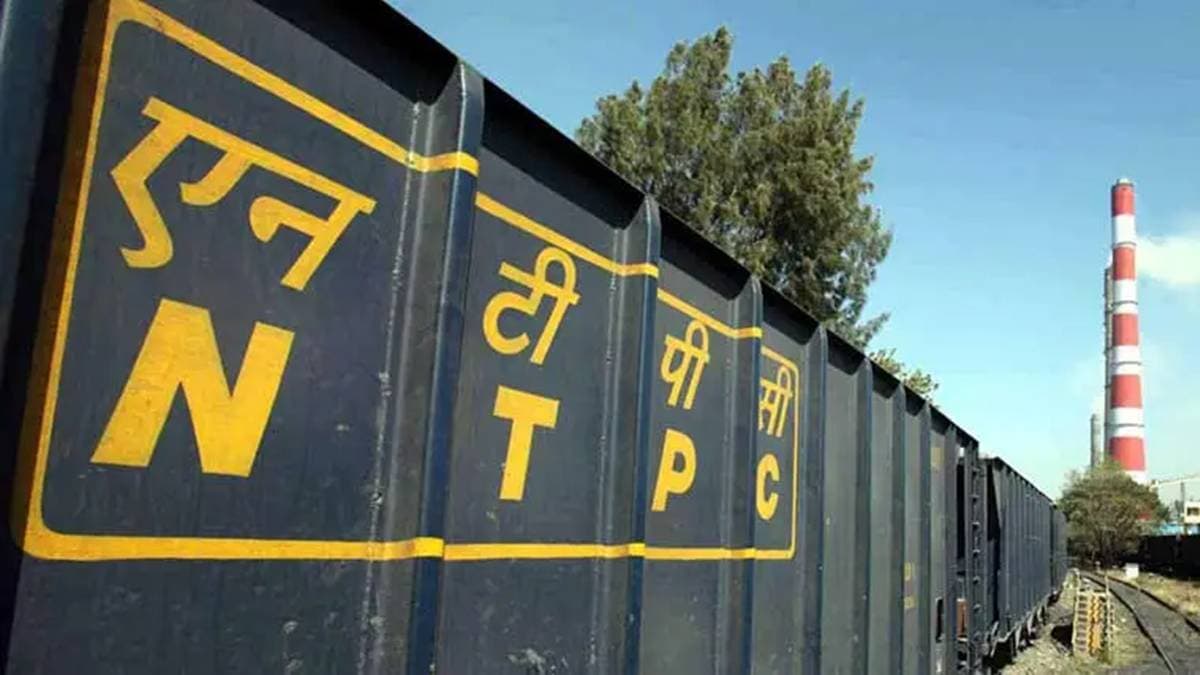
With India’s renewable energy capacity expanding rapidly and placing greater balancing pressure on the grid, state-run power giant NTPC has invited technology providers to develop coal-fired units capable of operating at just 25 per cent load, marking a significant push towards more flexible thermal generation.
The company has issued an Expression of Interest (EOI) seeking solutions for sub-critical thermal units in the 150-250 MW range that can operate in two shifts and run at a minimum technical load of 25%, compared with the current minimum operating level of 55% across NTPC’s thermal fleet.
Renewables drive flexibility needs
The move comes as increasing solar and wind generation creates a growing need for power plants that can quickly ramp up and down to maintain grid stability.
“India’s rapid expansion of renewable capacity is transforming the power sector and advancing the country’s clean energy ambitions. However, the growing share of renewable generation is also increasing the need for flexible power sources that can quickly respond to changing grid conditions,” NTPC said.
The company said it aims to identify technology providers and EPC partners capable of developing highly flexible thermal generation solutions that can support grid reliability and stability as renewable energy penetration rises.
Thermal plants continue to play a critical role in balancing the grid, particularly due to the limited availability of hydropower, gas-based generation and utility-scale battery storage.
NTPC expands grid support
According to NTPC, all its thermal stations are already participating in ancillary services, including Automatic Generation Control (AGC), Primary Frequency Response (PFR), Tertiary Reserve Ancillary Services (TRAS), Security-Constrained Economic Dispatch (SCED) and Security-Constrained Unit Commitment (SCUC).
The company said operational experience indicates that sub-critical units can offer greater flexibility than supercritical and ultra-supercritical technologies for certain balancing requirements because of lower parameter swings and reduced equipment fatigue.
“Their ability to operate efficiently at lower loads and adapt to frequent cycling makes them a potential enabler of higher renewable energy integration in the future,” it added.