



After rebounding sharply in May on the back of peak summer travel, the country’s domestic aviation market lost some momentum in June as airlines trimmed capacity, particularly the Air India Group, resulting in lower passenger traffic but a record market share for IndiGo.
According to data released by the Directorate General of Civil Aviation (DGCA) on Tuesday, domestic airlines carried 13.46 million passengers in June, down 1.03% from 13.60 million in the corresponding month last year. Traffic also declined 12.5% from 15.39 million passengers carried in May 2026.
Passenger traffic during the first six months of the year, however, rose 1.44% year-on-year to 86.4 million passengers, compared with 85.17 million in the same period last year.
The moderation in traffic reflects airlines’ continued efforts to align capacity rather than any significant weakening in demand. Several carriers, particularly the Air India Group, have reduced frequencies and rationalised schedules amid rising costs. While others have continued to optimise deployment on high-demand routes.
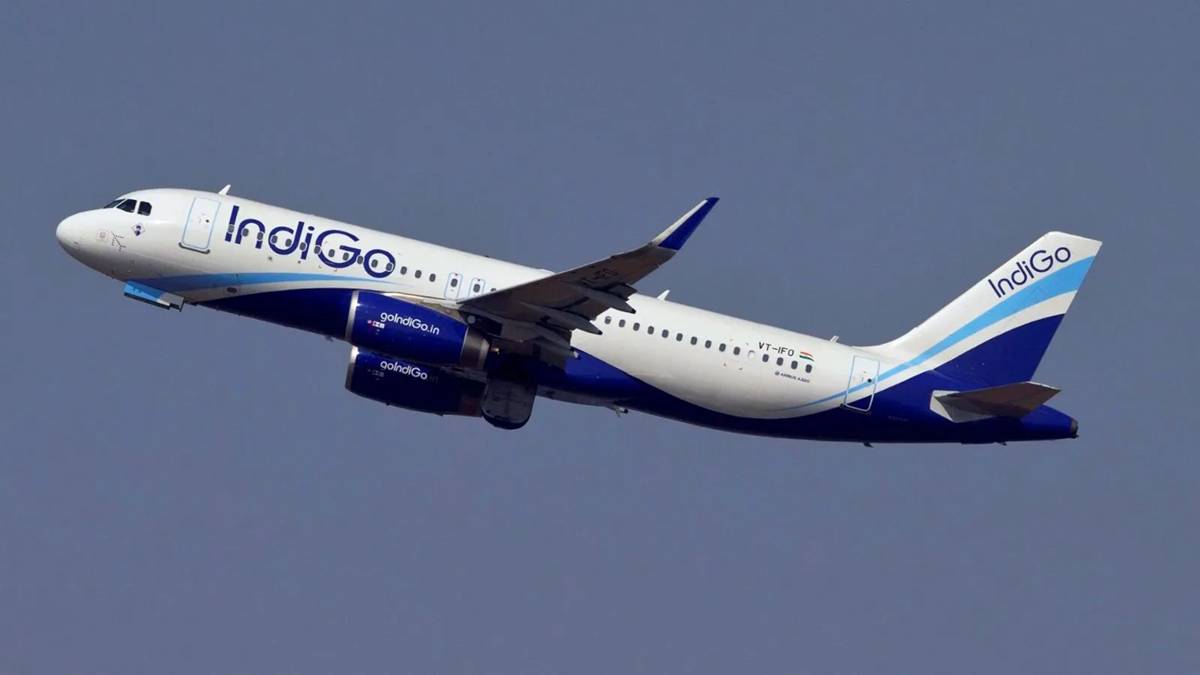
Market leader IndiGo emerged as the biggest beneficiary of the capacity realignment, with its domestic market share rising to an all-time high of 66.3% in June from 64.9% in May. The airline flew 8.92 million passengers, reinforcing its dominance by carrying nearly two-thirds of all domestic passengers.
In contrast, the Air India Group witnessed a sharp decline in market share to 23.9% from 25.6% in May after carrying 3.22 million passengers, down from 3.93 million a month earlier. The decline underscores the impact of the airline’s capacity cuts. Overall, Air India Group has announced capacity reductions through August 2026, including a 22% cut in domestic capacity and a 27% reduction across its international network.
Together, IndiGo and the Air India Group still accounted for more than 90% of the domestic passenger traffic during the month.
Akasa Air continued its steady expansion, increasing its market share to 6.4% from 5.8% after carrying 0.86 million passengers, while SpiceJet’s market share declined further to 1.9% from 2.5% in May as its operations remained significantly smaller than peers.
Regional carriers Fly91, Alliance Air, Star Air and IndiaOne Air together continued to account for less than 2% of the domestic market.
Despite the sequential decline in traffic, airlines continued to report healthy seat occupancy. Akasa Air maintained the highest passenger load factor among major carriers at 92.2%, followed by SpiceJet at 87.8%, Air India Group at 85.5% and IndiGo at 85.1%, indicating that airlines were largely successful in matching capacity with demand through calibrated network deployment.
Operational performance remained largely stable during the month. The overall cancellation rate for scheduled domestic airlines stood at 0.63%, marginally higher than the previous month, with technical reasons accounting for nearly 40% of all cancellations, followed by operational issues and adverse weather.