



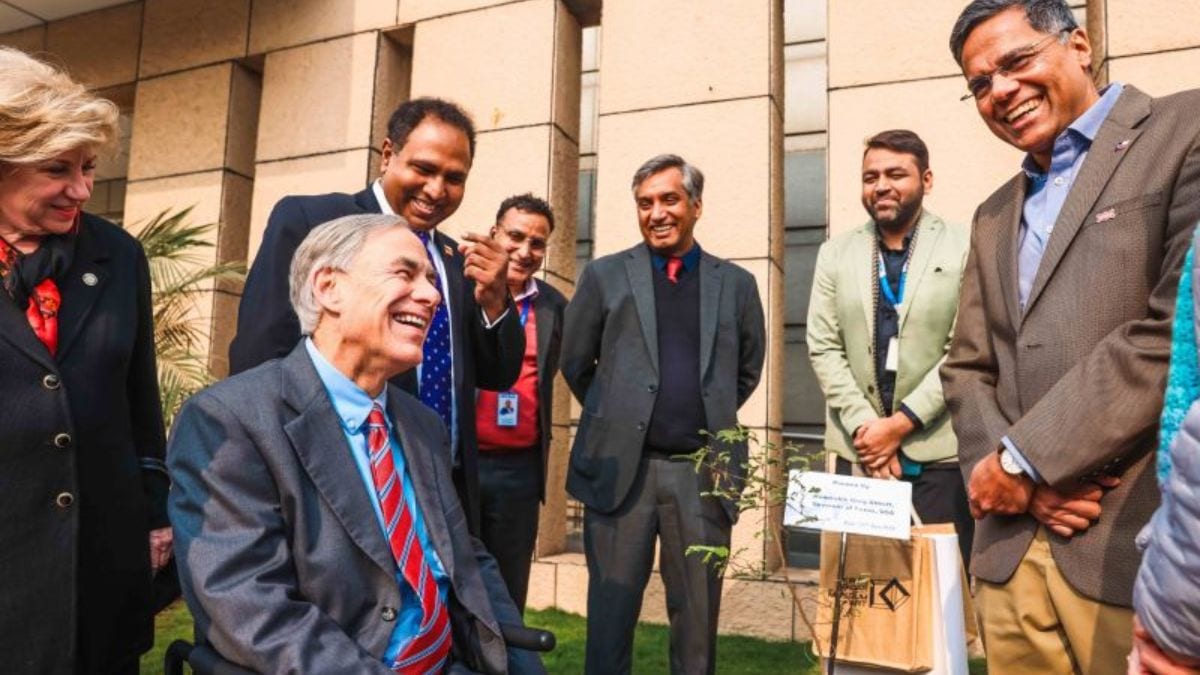
Dallas-based immigration attorney Dobrina M. Ustun has raised concerns about recent Texas policies limiting H-1B visas, calling the state’s approach “contradictory” for businesses and global talent.
Texas has built its reputation on being unapologetically open for business. For decades, the state has boasted low taxes, employer-friendly policies, and an aggressive recruitment strategy, factors that have made the Lone Star State the premier destination for companies fleeing over-regulation elsewhere. However, a jarring contradiction from the governor’s mansion has shocked many, including the state’s vibrant communities.
Recent executive actions targeting the H-1B program suggest that while Texas wants the world’s capital, it has finally decided to turn hostile to the world’s talent. Governor Greg Abbott recently ordered Texas state agencies and public universities to halt new H-1B filings through May 31, 2027. Simultaneously, Attorney General Ken Paxton has launched massive investigations into businesses for alleged H-1B “misuse.”
While the administration says this policy puts Texas first, lawyers and business leaders warn it could hurt the state’s own economy. “Texas actively recruits international business, yet we are seeing a disconnect,” says Dobrina M. Ustun, a Dallas-based immigration lawyer and founder of Ustun Law Group. “You cannot invite the world to invest in Texas while also telling employers they cannot hire the most qualified candidates simply because they are immigrants.”
Texas wants business but freezes talent
Ustun, a graduate of Southern Methodist University and an immigrant herself, has experienced the US immigration system in multiple roles — as a student, a specialty worker, and now as a managing partner representing top-tier talent. In her view, the right professionals are often the difference between a project’s success or failure.
She pointed out the irony. In 2024, Governor Abbott visited India to promote Texas as a top destination for global investment. Yet back home, policies are making it harder for companies to hire the very skilled professionals they need.
“In 2024, Abbott traveled to India to promote Texas as a destination for investment and global business partnerships (see pics). But how can Texas encourage companies to relocate and expand here while simultaneously restricting their ability to sponsor visas for the talent they need?” she wrote, sharing photos from Abbott’s India’s trip.
Texas’ growth depends on its immigrant workforce
Ustun emphasised that Texas’ growth depends on its immigrant workforce. By 2024, the state was home to roughly 5.8 million foreign-born residents and over 2,100 foreign corporations. Cities such as Houston, Dallas-Fort Worth, and Austin have thrived in part because of their ability to attract skilled professionals from around the world. Texas cannot recruit the world’s businesses while discouraging the world’s professionals,” Ustun wrote. “You can’t invite the world to invest in Texas while also telling employers they cannot hire the most qualified candidates simply because they are immigrants. That is not openness. That is interference.”
The H-1B freeze hits some of Texas’ most important sectors, including research and healthcare. Institutions like UT Southwestern and M.D. Anderson rely on H-1B visas to hire specialised doctors and scientists. At the same time, Texas is facing doctor shortage. Experts predict that by 2032, the state could be short more than 10,000 doctors. Restricting foreign specialists from joining teaching hospitals only makes this problem worse.