



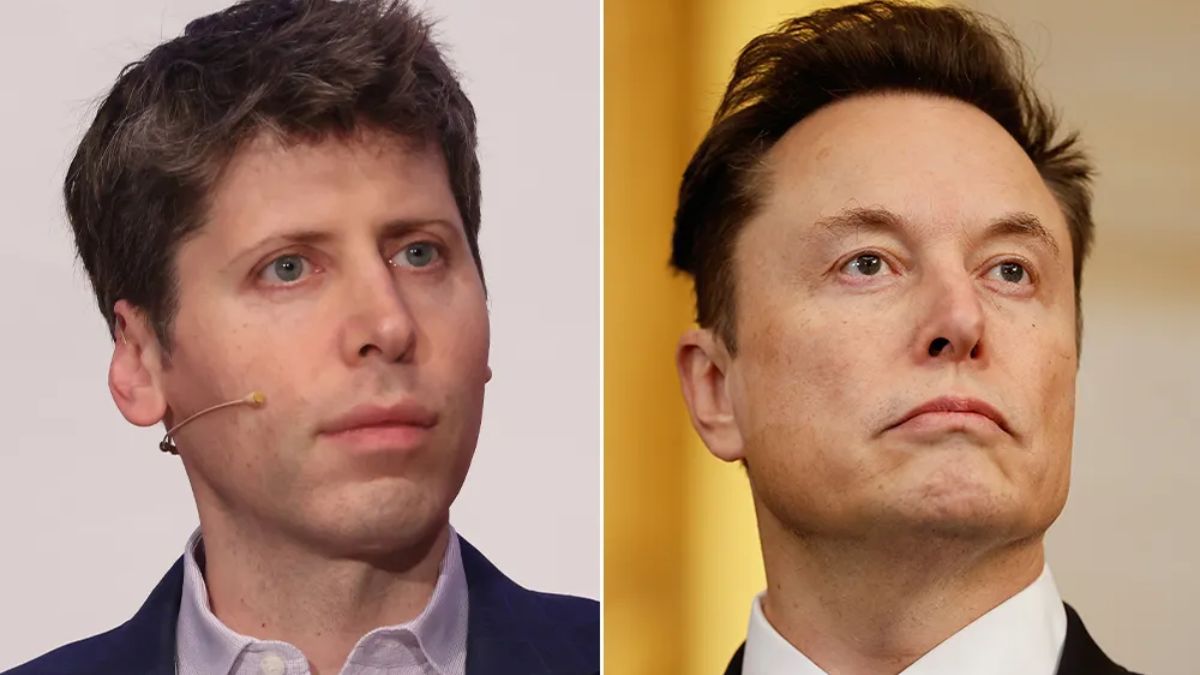
A major legal clash between Elon Musk and OpenAI is set to play out in a federal courtroom in Oakland, California, with jury selection beginning under Judge Yvonne Gonzalez Rogers. The case, which the judge earlier stated as “Billionaires versus billionaires,” is expected to run for several weeks and could shape the future direction of one of the world’s most influential AI companies. The proceedings are also likely to feature testimony from key figures in the tech world, including OpenAI CEO Sam Altman and Satya Nadella of Microsoft.
Musk’s claims against OpenAI
Musk’s lawsuit argues that OpenAI abandoned its original purpose. According to him, the organisation was founded as a nonprofit focused on building AI safely and openly for the benefit of humanity. He says he contributed about $38 million in its early days with that understanding.
The complaint alleges that OpenAI’s leadership misled him about remaining a nonprofit and instead shifted toward a profit-driven model, especially through its ties with Microsoft. “Elon Musk’s case against Sam Altman and OpenAI is a textbook tale of altruism versus greed.
Altman, in concert with other defendants, intentionally courted and deceived Musk, preying on Musk’s humanitarian concern about the existential dangers posed by AI,” the lawsuit states. Musk is seeking roughly $134 billion in damages and has also asked for Altman to be removed as CEO, though he has said any awarded money should go to OpenAI’s nonprofit arm.
OpenAI pushes back
OpenAI has strongly rejected Musk’s claims and insists it is still committed to “creating AGI that benefits all of humanity.” The company argues that Musk’s actions are motivated by personal rivalry, particularly due to his involvement with competing AI venture xAI. In its response, OpenAI claims Musk left the organisation in 2018 after disagreements over control.
The company says, “demanded full control of OpenAI and even wanted to merge it into Tesla (he would later merge his for-profit AI company, xAI, into SpaceX). When we wouldn’t agree to his terms, he walked away and told us we had a ‘0% chance’ of success. He turned out to be wrong, though, and a resentful Elon has attacked OpenAI ever since.”
It also disputes his financial claims, stating, “Elon donated $38 million to the OpenAI nonprofit, which was spent exactly as intended and in service of the mission. Despite claiming and receiving a tax deduction for this donation, he’s now asking the court to treat it as an investment that entitles him to significant ownership of OpenAI.”
High stakes and personal rivalry
Beyond the legal arguments, the case also shows a long-standing personal and professional rift between Musk and Altman. Reports describe the dispute as both a business conflict and a deeply personal feud. Musk has framed the trial as an opportunity to reveal key evidence, saying it would “blow your mind,” while Altman remarked it would feel like “Christmas in April!” to see Musk testify.
The court has also taken steps to keep proceedings orderly, with Judge Rogers warning against “gamesmanship” and insisting that all parties follow standard procedures without special treatment. While an advisory jury will weigh in, the final decision will rest with the judge, making the outcome of this closely watched trial uncertain but highly consequential for the future of OpenAI and the broader AI industry.