



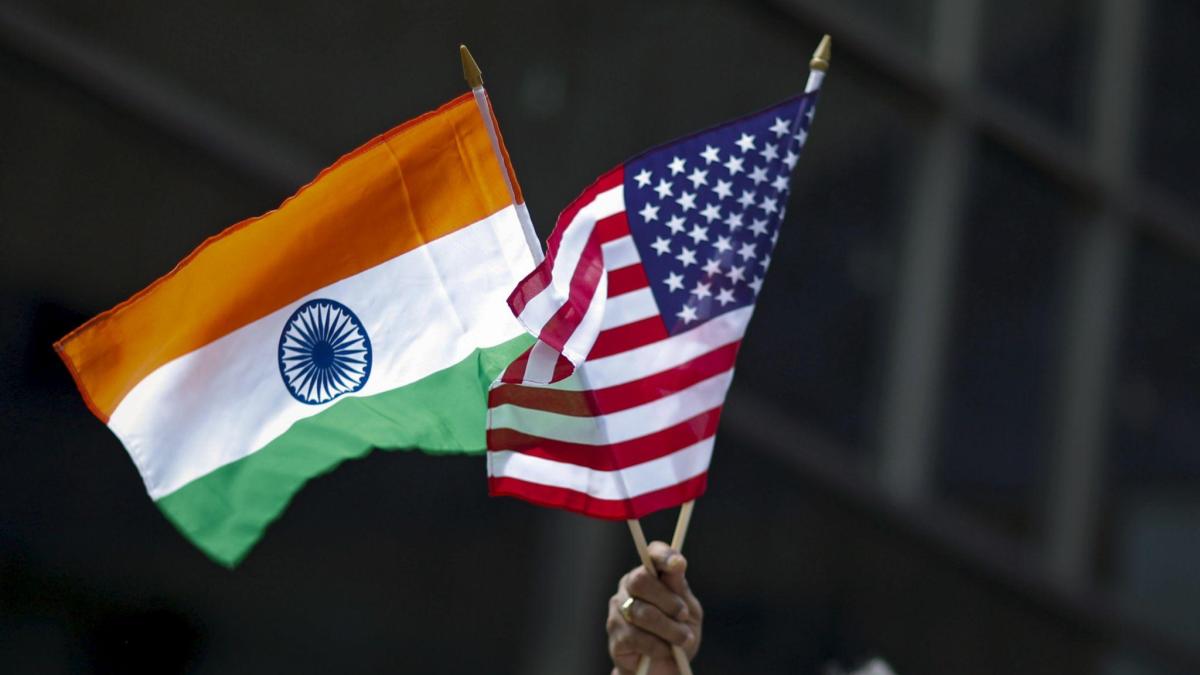
India’s latest merchandise export data for FY26 indicate that shipments to its most important destination, the US, are flagging with a dismal year-on-year (y-o-y) growth of 0.92% in line with its performance in overall exports. Obviously, this reflects the adverse impact of the tariff disruption of US President Donald Trump and uncertainties over a trade deal. Indian negotiators are heading to Washington, DC next week to finalise a legal agreement based on the February 7 bilateral joint statement. Last fiscal, India’s US exports saw a y-o-y decline of 12.6% in September—the first month when 50% tariffs kicked in—and 8.6% in October. There was a sharp surge to 22.6% in November, which reflected a clearing of backlog orders and a survival strategy to hang on to long-term customers even while facing squeezed margins and minor losses.
The contraction in exports resumed thereafter and touched 21% in March. These bleak prospects will persist due to uncertainties regarding the new tariff architecture as Trump’s levies invoking the International Emergency Economic Powers Act have been invalidated by the US Supreme Court. In this milieu, India’s options are to keep engaging with the US to ensure its comparative tariff advantage in the American market. Although the apex court ruling is a body blow to the US President’s unilateral tariff agenda, his administration is confident that duties will be restored by July to levels prevailing before the ruling. To retain leverage in trade negotiations, Trump imposed a 150-day uniform tariff of 10% and the United States Trade Representative has launched investigations under Section 301 of Trade Act of 1974.
Legal Battle
Two investigations have been initiated under Section 301 on excess capacities in 16 economies and forced labour issues against 60 economies. Both these investigations cover India, which is questioning their legal basis according to FE. These investigations must be addressed bilaterally rather than unilaterally. India’s bilateral trade surplus in goods, at $34.4 billion in FY26, reflects a comparative advantage rather than excess capacities. Indian entities have also not relied on cotton imports from Xinjiang in China where there are allegations of forced labour. India must play for time as the fate of Trump’s tariffs depends on the outcome of mid-term elections in the US Congress in November.
Strategic Diversification
Given the imponderables regarding Trump’s tariffs, India must do whatever it can to restore buoyancy in its shipments to its premier destination. Exporters—whether they are farmers in Punjab, jewellers in Surat, or garment manufacturers in Tiruppur—must use the recently-launched dedicated trade facilitation portal as a runway to boost their exports to the US. Looking ahead, the latest trade numbers also underscore the imperative of diversification. Boosting our exports through free trade agreements (FTAs) is certainly efficacious in this regard. India’s deal with the UK is likely to kick in by May while the one with the European Union will be effective from end-FY27. Negotiations for an FTA with New Zealand are over and its ratification is expected to take place soon. Currently, negotiations are underway to broaden existing trade deals with Australia and Sri Lanka. Talks are also on for FTAs with Israel, Peru, Chile, and the Eurasian Economic Union. The prospects for joining mega regional groupings like the Comprehensive and Progressive Agreement for Trans-Pacific Partnership must be explored.