



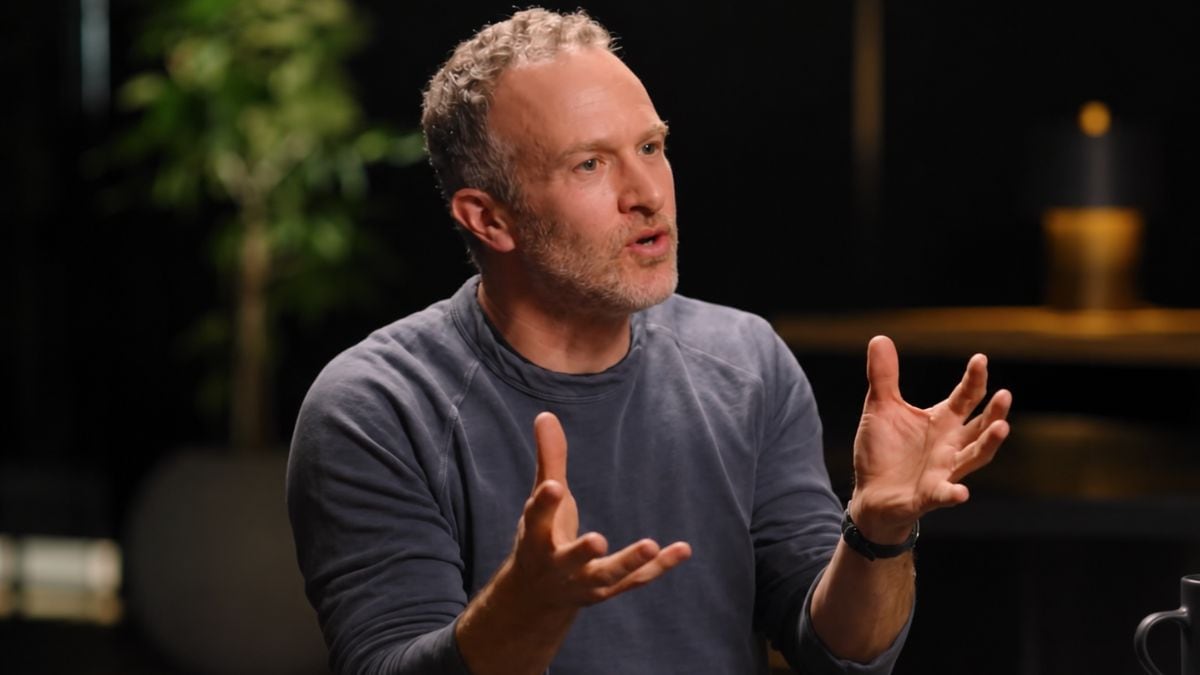
‘Entrepreneurs are naturally competitive,’ believes Jason Fried, co-founder of 37Signals, the parent company of project management software, Basecamp. But that doesn’t mean 100-hour work weeks or endless meetings on your calendar. The millionaire and best-selling author has been a vocal champion of work-life balance and ‘ownership’ of your own time.
In a time where hustle is glorified and working stipulated hours is not, the Basecamp CEO had shared that people at his workplace can’t own others’ time. And how does one achieve that? By not sharing calendars.
“As many people know — and as I didn’t — in most companies people don’t really control their own time. Everyone can see everyone else’s calendar, and people can pick away at each other’s time,” Fried has once written in a Medium post.
In fact, he remarked, “This may be the reason why so many people are driven to work late nights and weekends, why life has to fit into work’s leftovers. When people don’t control their own time, of course, someone else will push them to the limit. It doesn’t cost them anything, but it costs you everything.”
No Calendar Sharing Policy
At Basecamp, Jason Fried revealed that none of the employees share their calendars to be viewed by others. Moreover, they control their own schedule and their time belongs to them alone – as he does with his own.
Speaking at a CNBC HR conference, Fried had also shared in 2019, “One of the worst inventions in modern technology is the shared calendar where everyone can steal each others’ time.” Fried said that the American workforce was now at a tipping point where employees are too busy to even think.
The 56 remote employees at Basecamp, spread across 32 different cities, also adhere to the 40-hour workweek, and Fried takes pride in that. Interestingly, the company enforces a 4-day work week (32 hours) from May to September. In retrospect, shorter workweeks help employees prioritise deadlines, and the 3 million accountants with Basecamp are normally at ease.
“Leaders need to respect and preserve the time of their employees so they can be happier and more productive at work,” Jason Fried believed.
Fried on ‘I’m so busy’ culture
From his posts and discussions, Fried’s time-management philosophy broadly revolves around three core principles: protecting uninterrupted time, avoiding meeting creep, and preserving the integrity of the eight-hour workday.
At the heart of his thinking is the belief that meaningful work requires space to think, create, and focus without constant interruptions. He has frequently criticised the workplace habit of filling calendars with back-to-back meetings that leave little room for actual work.
Fried is also a vocal opponent of the “I’m so busy” culture that often treats exhaustion as a badge of honour. Instead of celebrating long hours and packed schedules, he advocates for efficiency, clarity, and sustainable productivity, arguing that getting work done should matter more than appearing busy.
More importantly, this philosophy is built on clear boundaries that apply to everyone in the organisation—including the CEO. The idea is that time should be respected regardless of job title. When employees have genuine autonomy over how they structure their day, work-life balance becomes less of an expensive perk and more of a natural outcome of good management.
Rather than relying solely on wellness programmes or costly retention initiatives, companies can create healthier workplaces by setting realistic expectations around work hours. At a time when businesses continue to spend more on employee-related costs each year, something as simple as normalising an eight-hour workday could have a meaningful impact on productivity, satisfaction, and long-term employee wellbeing.
“Hustle has become this glorified thing,” he concluded as per an Inc. report, “But I often find myself wondering, ‘Why is everyone going so fast, and what is actually better because of that?’”