



As West Bengal heads into the first phase of its Assembly elections, the political contest has taken on a sharply polarised tone, with identity and citizenship issues overshadowing familiar campaign themes such as jobs, corruption, and economic development.
Polling for the first phase will take place on Thursday (April 23), covering 152 of the state’s 294 constituencies. This includes all 54 seats in north Bengal’s eight districts, along with key constituencies in Murshidabad, Nadia, Birbhum, and Hooghly.
High stakes in phase one
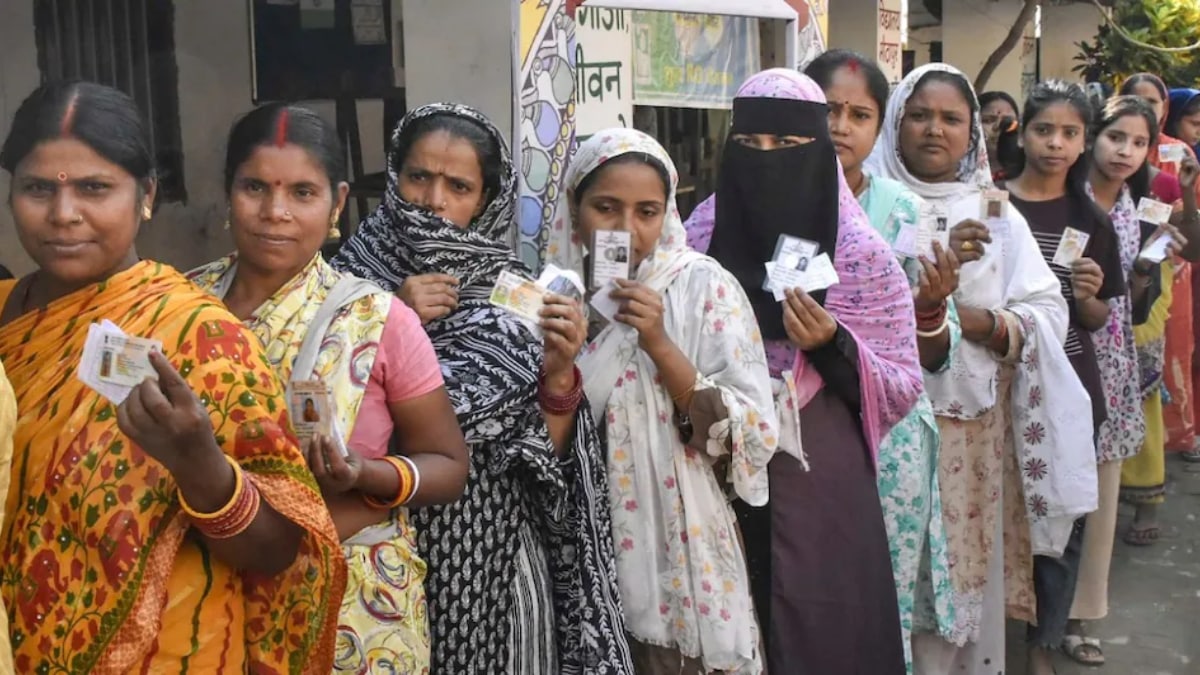
According to the Election Commission of India, more than 3.60 crore voters, including nearly 1.75 crore women, are eligible to vote in this phase. To ensure security, the Election Commission has deployed a record 2,450 companies of central forces, with over 8,000 polling stations classified as highly sensitive.
For the BJP, north Bengal remains a key battleground that powered its rise in the 2019 Lok Sabha elections and helped it emerge as the principal challenger in 2021. The party had won as many as 59 of these 152 seats in the last Assembly election, compared to the TMC’s 93
For the TMC, led by Mamata Banerjee, the priority is to prevent a BJP surge in the north and maintain political momentum before the contest shifts to south Bengal, where it traditionally enjoys stronger support.
Identity politics takes centre stage
Despite varied local issues across regions, the election narrative has been dominated by one overarching issue: the revision of electoral rolls. The Special Intensive Revision (SIR) exercise led to the deletion of over 91 lakh names, reducing the electorate by nearly 12%. Muslim-dominated districts such as Murshidabad, Nadia, Malda, and Uttar Dinajpur saw significant deletions, triggering widespread political debate.
West Bengal Elections 2026: Phase 1 Decoded
Regional dynamics shape the contest
The first phase spans diverse geographies:
North Bengal (Darjeeling, Jalpaiguri, Alipurduar): Tea garden wages, unemployment, and the unresolved Gorkha issue
Cooch Behar belt: Rajbanshi identity politics
Border districts (Malda, Uttar Dinajpur): Citizenship and infiltration debates
Murshidabad and Nadia: Minority concerns and voter roll deletions
In regions like Malda’s Mothabari, protests over deleted names have intensified political tensions, making the issue a defining factor in voter sentiment.
Key battles to watch
Several high-profile contests add further intrigue:
Suvendu Adhikari in Nandigram: The Leader of Opposition is seeking to retain a seat that became symbolic after his 2021 victory over Mamata Banerjee. He now faces Prabitra Kar, a former associate, who now is contesting from TMC.
Adhir Ranjan Chowdhury in Baharampur: Returning to Assembly politics after decades, his contest reflects the Congress’s struggle for relevance in the state.
Nisith Pramanik in Mathabhanga: A key test in the Rajbanshi belt after shifting constituencies.
Udayan Guha in Dinhata: A crucial fight for the TMC to retain ground in north Bengal.
Welfare vs governance: The manifesto battle
While identity issues dominate the campaign, both parties have laid out extensive welfare and economic agendas.
TMC’s welfare-driven pitch
The TMC manifesto focuses on expanding social welfare, including an increase in Lakshmir Bhandar support from the current Rs 500–1,000 to Rs 1,500–1,700 per month for women; a Rs 1,500 monthly allowance for unemployed youth; a Rs 30,000 crore agriculture budget; universal housing and piped drinking water; expansion of healthcare through doorstep camps; and infrastructure upgrades in schools and trade logistics.
BJP’s governance and growth narrative
According to its manifesto, the BJP has combined welfare promises with governance reforms, including a Rs 3,000 monthly allowance for youth and women; implementation of the 7th Pay Commission and DA clearance; a focus on industrial revival, MSMEs, and infrastructure; strong anti-corruption measures and law enforcement reforms; and a “double engine” model for faster development.