



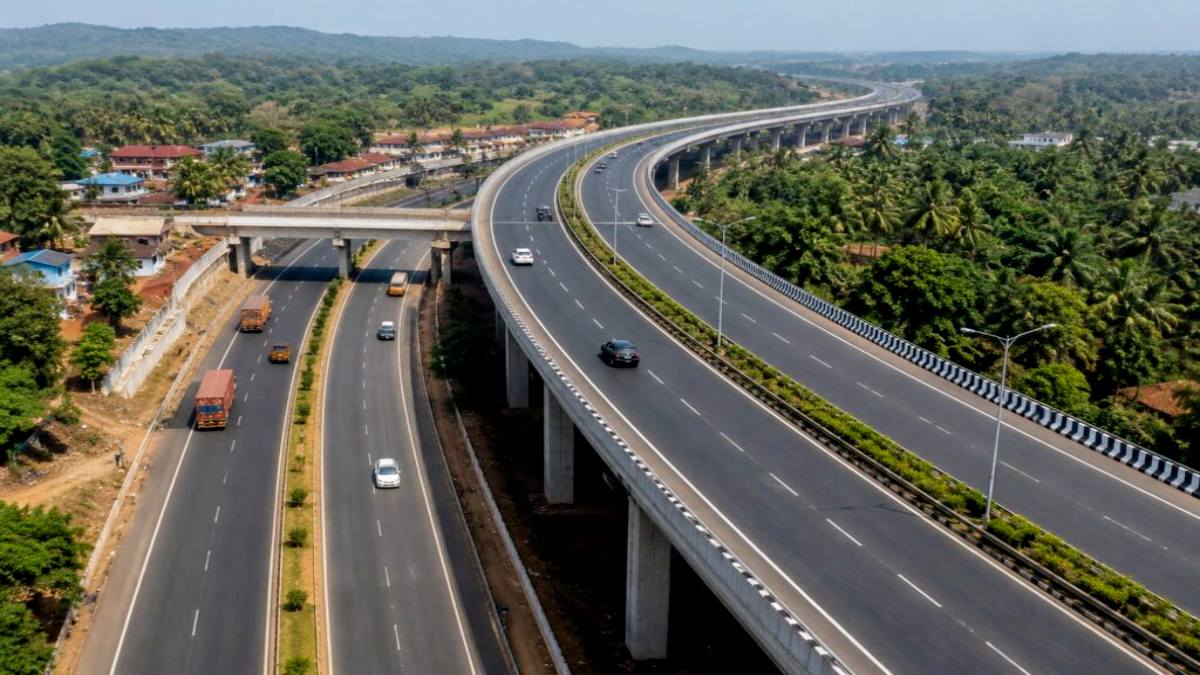
A major boost to connectivity is coming in Odisha as the Cabinet has approved the construction of a new coastal highway between Rameshwar and Paradeep. This project aims to make travel faster and more convenient along this route.
At present, the journey between Rameshwar and Paradeep takes around 30–32 hours via the existing road network, which is long and tiring for travellers.
Once completed, the new highway is expected to reduce travel time by around 2 hours and 30 minutes. It will provide a smoother, more direct route, improving travel convenience and the movement of goods in the region.
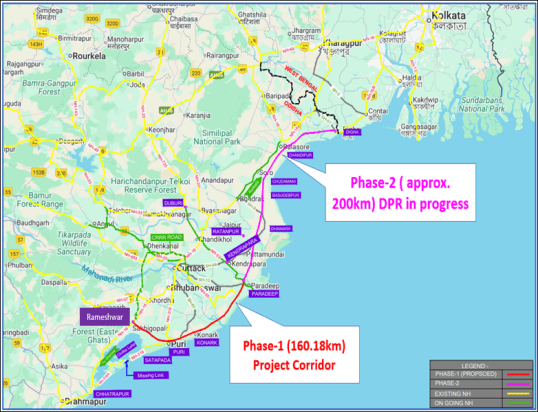
Rameshwar – Paradeep Coastal Highway – Length, Cost
The upcoming Rameshwar–Paradeep coastal highway will have a total length of around 160.18 km. The project has been approved at an estimated cost of Rs 8,300.79 crore and will be developed under the Hybrid Annuity Model (HAM).
Project to be built in two packages
The highway project will be developed in two separate packages:
- Package 1: Four-lane highway from Rameshwar to Konark.
- Package 2: Two-lane highway with paved shoulders from Konark to Paradeep.
The entire corridor will be designed for a speed of 100 km per hour, helping improve travel efficiency across the region.The new coastal highway will pass through four Odisha districts: Khurda, Puri, Kendrapada, and Jagatsinghpur
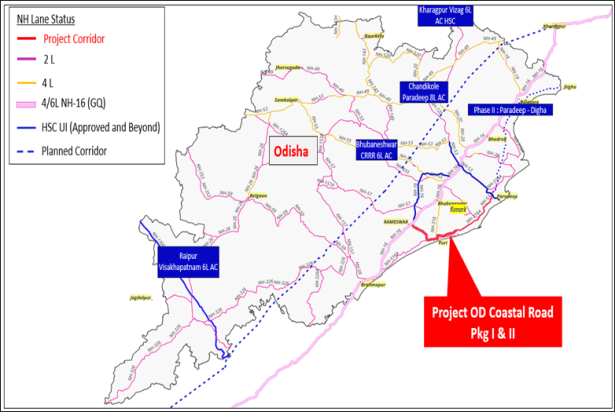
Easing Traffic on Odisha’s Key Coastal Corridors
Right now, most vehicles use existing roads like NH-16 and NH-316. But some stretches, especially around Puri, Satapada, and Konark, are often crowded with local traffic and roadside settlements, which slows down long-distance travel and makes the journey less smooth.
Once the new highway is completed, it is expected to provide a faster and more direct route, helping reduce traffic pressure on existing roads and making travel more comfortable for both commuters and tourists.
Better Connectivity and Economic Growth
The new coastal highway is expected to improve connectivity across coastal Odisha and make travel easier between important towns and economic centres. The project will connect nine economic nodes and five logistics hubs, helping in the faster movement of goods and services across the region.
With better road infrastructure, businesses are expected to benefit from reduced travel and transportation time. The highway is also likely to support trade, tourism, and local industries while creating new opportunities for growth and development in the districts along the route.