



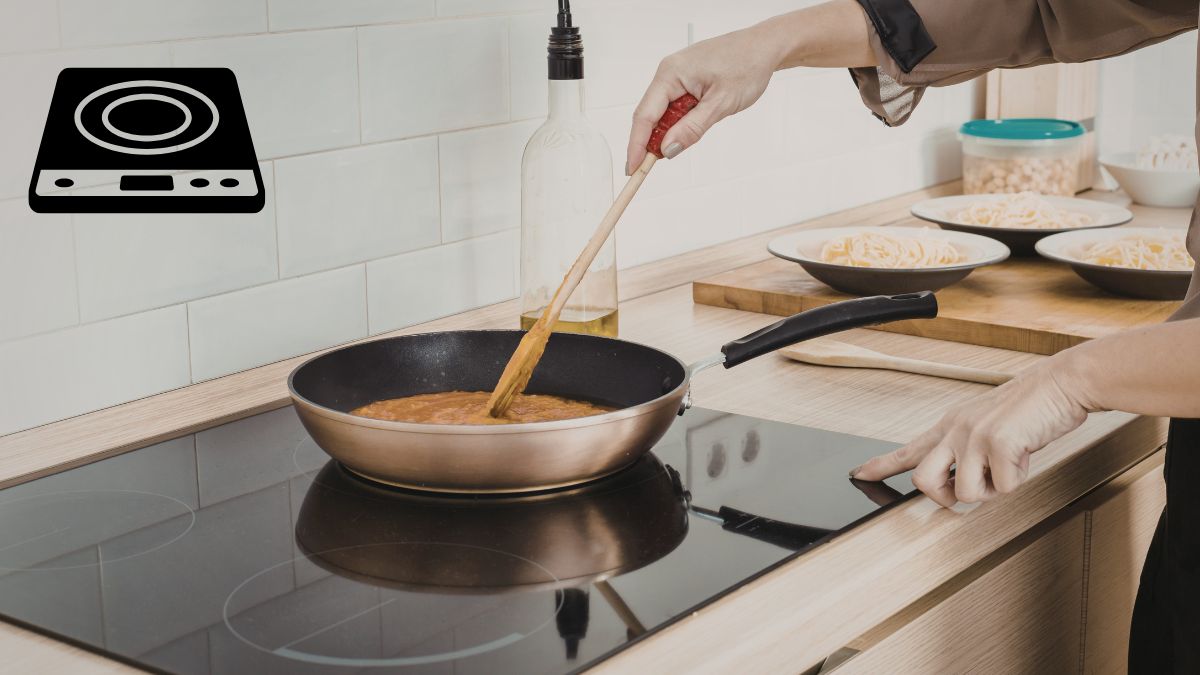
A temporary LPG shortage may have triggered India’s rush towards induction cooktops in March, but retailers say the category is now showing signs of becoming mainstream.
While demand has cooled from the extraordinary peaks witnessed during the LPG supply disruption in March, sales since then have remained above pre-crisis levels, suggesting that consumers are increasingly viewing induction cooking as a complement to traditional LPG stoves.
The shift also comes as cooking gas gets costlier. Domestic LPG prices were hiked by Rs 29 per cylinder on Sunday, the second time in three months a price revision has been undertaken, as state-owned fuel marketing firms struggle with high global energy costs. The surge in demand for electric cooking equipment has also prompted government officials to revisit its impact on electricity consumption, which they say will increase by 13-27 gigawatts in FY27.
Retailers Report
According to Nilesh Gupta, director, Vijay Sales, an electronics retailer operating in the west and north of India, the category has settled at a much higher base than before the energy crisis began in March.
“During the height of the LPG shortage, sales of induction cooktops surged many-fold as households scrambled for alternative cooking solutions. While that panic buying has eased, demand remains roughly double historical levels,” he said.
Industry executives estimate that India’s induction cooktop market was worth roughly $800 million (Rs 7,500 crore) in 2025 and could grow at an annual rate of around 8% over the next decade as urbanisation, rising disposable incomes and organised retail expansion drive adoption.
Shibashish Roy, CEO & MD, Infiniti Retail, which runs the Croma chain of stores, said that while sales surged up to five times regular levels in March, with certain days seeing spikes of nearly 30 times normal run rates, it has since normalised.
“Though demand moderated temporarily in April, momentum has strengthened since mid-May, with sales running nearly two times regular levels,” Roy said.
An Amazon India spokesperson said that sales of induction cooktops had increased 15 times year-on-year over the last few weeks. “Customers have also been using Amazon Now to get similar products delivered within minutes across parts of Delhi-NCR, Mumbai and Bengaluru,” the spokesperson said.
Dishwasher Parallel
The trend mirrors what happened to dishwashers during the Covid-19 pandemic in 2020. A product that was previously considered discretionary entered consumers’ awareness and eventually became part of regular appliance purchases as people spent more time at home during lockdowns.
Retailers say the use case for induction cooktops is growing beyond students, paying guests and renters. Urban consumers are increasingly purchasing induction units as secondary cooking appliances for tasks such as making tea, boiling water and preparing quick meals.
The shift, says Gupta, reflects changing consumer behaviour rather than outright replacement of LPG. He says that most households continue to rely on gas stoves for primary cooking while using induction cooktops for convenience and flexibility.
Experts warn that the economics of e-cooking is something that consumers have to keep in mind as they make the shift.
Basic induction cooktops (used in Indian homes) typically cost between Rs 2,000 and Rs 4,000, while a complete electric cooking setup can range from Rs 4,000 to Rs 10,000 or more. In many cases, consumers must also replace existing utensils with induction-compatible cookware made from magnetic materials such as stainless steel or cast iron, adding another Rs 2,000-5,000 to upfront costs. Popular brands in the category include Philips, Bajaj, Morphy Richards and Kent.
Retailers also acknowledge that prices of induction cooktops have increased by about 5-10% in the last two months due to higher logistics costs, imported component prices and currency fluctuations. Although most products are assembled domestically, several key components continue to be sourced from overseas, leaving manufacturers exposed to global supply chain disruptions.