



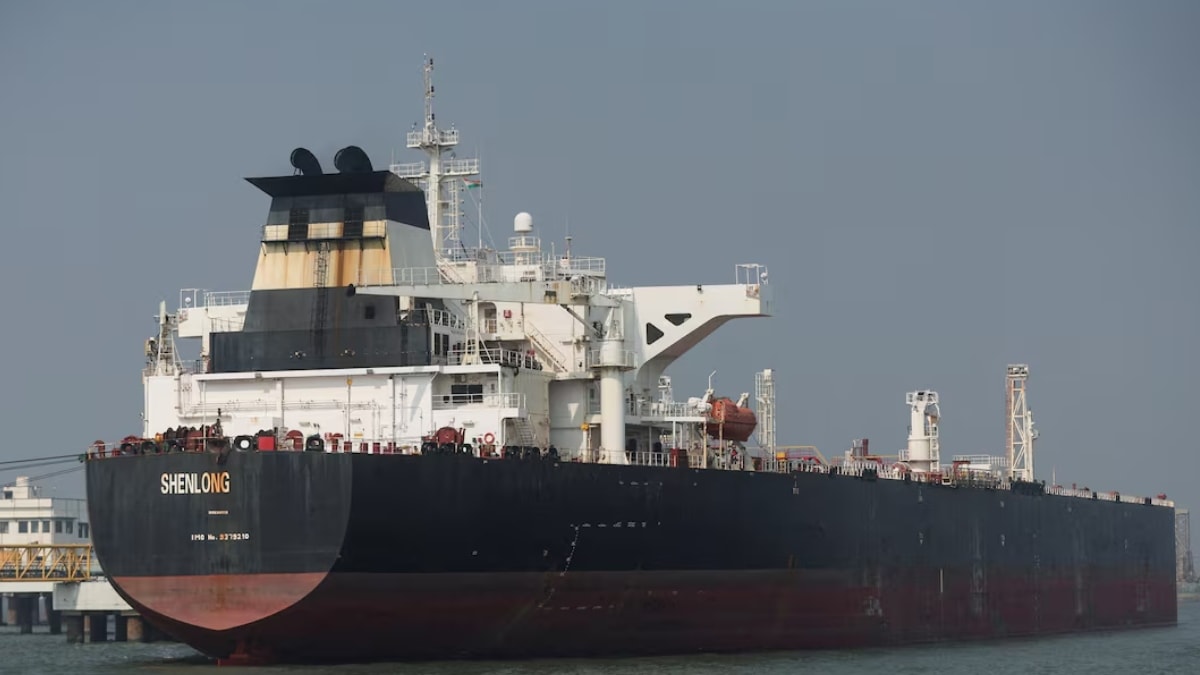
Iran has allowed two Indian-flagged liquefied petroleum gas (LPG) carriers to pass through the Strait of Hormuz, Iranian officials said on Friday. The move is expected to bring some relief to the cooking gas shortage being reported in India, according to reports.
This development came just hours after phone conversations between Prime Minister Narendra Modi and Iranian President Masoud Pezeshkian. It was their first conversation since the start of the Iran–United States conflict. At the same time, India’s External Affairs Minister S. Jaishankar also spoke with his Iranian counterpart Seyed Abbas Araghchi.
PM Modi said he had discussed the “safety and security of Indian citizens” and the “need for uninterrupted flow of goods and energy” with Pezeshkian, calling them India’s top priorities.
LPG supply pressure continues in India
India’s domestic LPG situation remains under pressure. Delays in tanker arrivals over the past few days have disrupted supply chains, leading to shortages in several regions and longer waiting periods for both household and commercial cylinders.
Meanwhile, the Union Petroleum Ministry on Friday said that LPG supply to domestic households across India continues without disruption. The ministry added that regular deliveries are also being maintained for hospitals and educational institutions. Joint Secretary (Marketing & Oil Refinery) at the ministry, Sujata Sharma, said domestic LPG production has increased by 30 per cent compared to March 5. She added that refineries across the country are currently producing 30 per cent more LPG to help strengthen overall supply.
Why the Strait of Hormuz matters for India
For India, the stakes are high because the Strait of Hormuz handles a major share of its energy imports. Nearly half of India’s crude oil shipments pass through the narrow waterway, making it one of the most critical supply routes for the country.
Iran’s ambassador to India, Mohammad Fathali, had also indicated that Indian vessels would likely be allowed to move safely through the Strait of Hormuz, a key global shipping route that carries nearly half of India’s oil imports.
“We believe that Iran and India are friends. We have common interests, we have a common fate,” Fathali told reporters when asked whether Indian vessels would be allowed to cross the Strait.
“The Government of India, in this situation after the war, helped us in different fields,” he said. He also added that positive developments regarding ships passing through the important waterway were expected in “two or three hours”.
People familiar with the matter told Hindustan Times that Indian authorities are still in contact with Iran to ensure safe passage for around two dozen Indian-flagged vessels currently located west of the Strait of Hormuz.
In another development, a crude oil tanker carrying Saudi Arabian oil is expected to reach India on Saturday after sailing through the same route, the news outlets reported citing people familiar with the matter.