



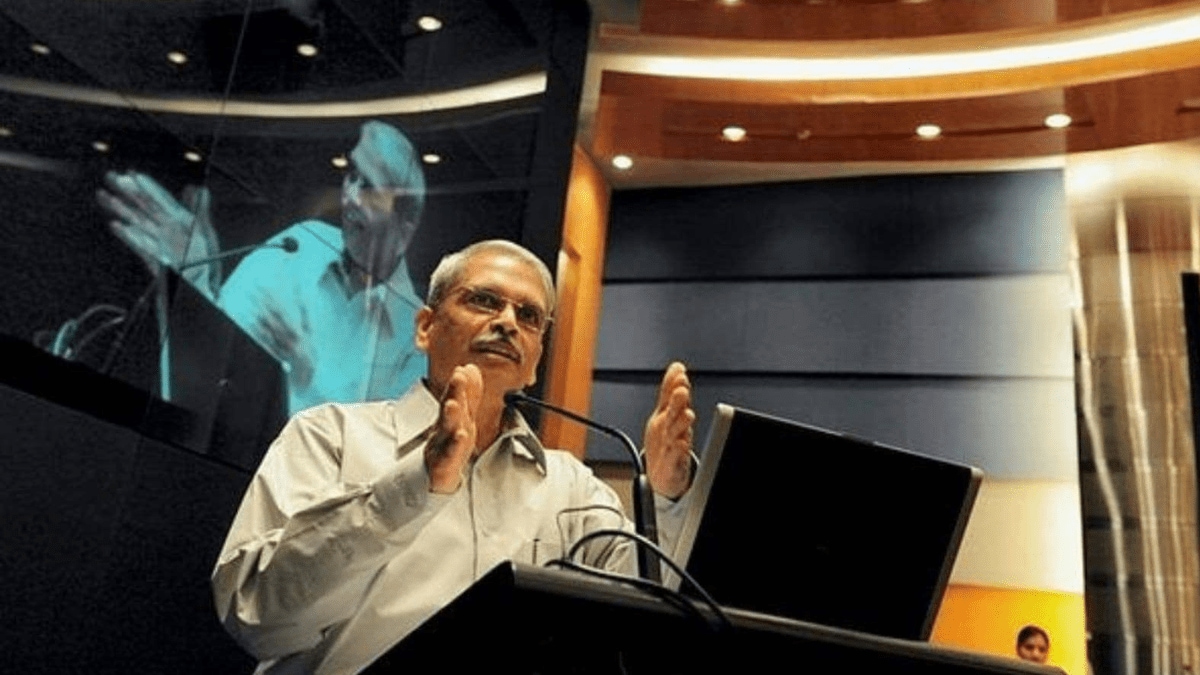
Kris Gopalakrishnan, philanthropist and co-founder of Infosys, who has over the years deployed personal funds to back basic research in a wide range of areas, from quantum computing to brain research, has consistently stood for India moving in the direction of building its own intellectual property.
Budget speech flags data centres and cloud services push
As is to be expected from a leader in the IT services sector and one who is also supporting startups upbeat on deep tech, he first points to Finance Minister Nirmala Sitharaman recognising the need to enable critical infrastructure and boost investment in data centres.
She proposed providing a tax holiday till 2047 to any foreign company that provides cloud services to customers globally by using data centre services from India. However, such companies will need to provide services to Indian customers through an Indian reseller entity.
The finance minister also proposed providing a safe harbour of 15 percent on cost in case the company providing data centre services from India is a related entity.
Services-led growth and clean-up measures highlighted
The proposal to set up a high-powered ‘Education to Employment and Enterprise’ standing committee to recommend measures that focus on the services sector as a core driver of Viksit Bharat has also been hailed, especially in light of the goal to make India a global leader in services, aiming at a 10 per cent global share in services by 2047.
The committee is to prioritise areas to optimise the potential for growth, employment and exports. It is also tasked with assessing the impact of emerging technologies, including AI, on jobs and skill requirements.
Kris Gopalakrishnan also noted the finance minister’s focus on clean-up measures. Many saw the Budget speech emphasising simplification, reducing compliance requirements and rationalising penalties and hindrances to improve ease of doing business.
On what Gopalakrishnan saw as significant measures taken by the government for women entrepreneurs, especially at a time when the United Nations has named this year as the International Year of Women Farmers, he pointed to initiatives such as taking the next steps from credit-led livelihoods—which are being focused on today—to making them owners of enterprises.
This includes the Self-Help Entrepreneur (SHE) Marts announced by the finance minister, to be set up as community-owned retail outlets within cluster-level federations through enhanced and innovative financing instruments.