


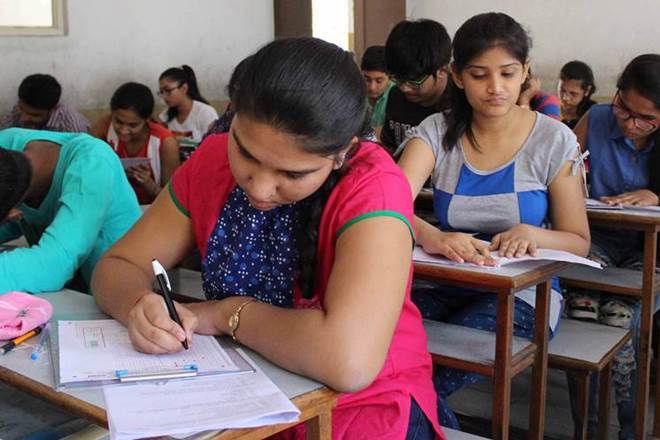

Calicut University examination result 2017: The Calicut University has announced the regular, honours, supplementary and improvement exam results of first semester Bachelor of Commerce (B Com), Bachelor of Business Administration (BBA), BHA and BTHM examinations. The results have been declared on the official website of Calicut University – universityofcalicut.info. The exams of these programmes were conducted in November 2016. All those students who had appeared for the same can check their respective scores by visiting the official website. A huge number of candidates appeared for the exam and were eagerly waiting for the result to declare. Candidates can check the results by following the steps mentioned below.
Name of the University: Calicut University
Name of the Exam: BCom, BBA, BHA and BTHM
Category: 1st Sem Results
Status of Results: Declared
Calicut University examination result 2017: How to download first sem UG result
The candidates may follow steps mentioned below to check Calicut University examination result 2017 for First Semester UG exam of BCom, BBA, BHA and BTHM:
Step 1) Log on to the official websites- universityofcalicut.info
Step 2) Click on the ‘Examination results’ tab
Step 3) Click on the link for result
Step 4) Enter your registration number and image code in the respective fields
Step 5) Click on submit
Step 6) The result will be displayed on the screen
Step 7) Download the same and take a printout for future reference
Earlier, the results of Bachelor of Arts (BA), Bachelor of Science (B Sc) and Afsal Ul Ulama were also announced on the website of the varsity. The exams were held in June 2017 and November 2016. Results were also published for MA Islamic studies and BTech third semester.
About Calicut University
The University of Calicut is the largest university in the state of Kerala and was the second university to be set up in the state. The varsity has 30 Post Graduate departments and 426 colleges affiliated to it.