


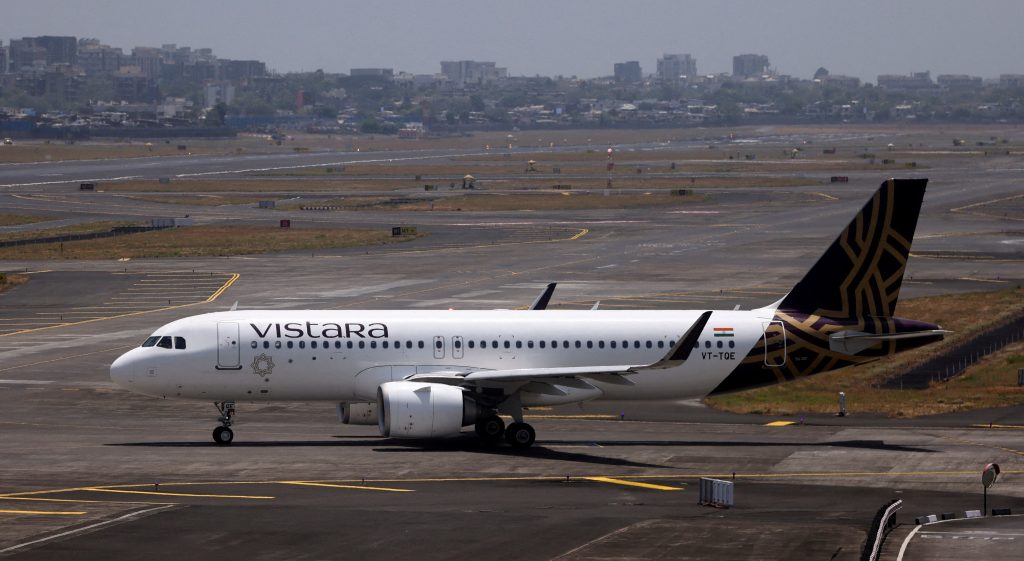

The pilot crisis at Vistara, which has led to scores of flight cancellations and spiralling delays this week, is likely to erode public perception of an airline that is synonymous with premium economy in India. The airline’s management did precious little to nip the problem in the bud when flights were disrupted a month earlier due to mass sick leave (the aviation sector’s version of strikes) taken by pilots. At the root of the crisis lies a new wage agreement that has upset pilots by decreasing the flying hours allotted to them from 70 to 40 per month, resulting in a substantial pay cut. The new contracts were necessitated by Vistara’s pending merger with Air India, a wholly-owned Tata Group subsidiary. It is true that along with changes in internal structures and potential loss of jobs, corporate mergers pose challenges for existing employees over compensation. Vistara does not have a significant buffer of pilots on standby, primarily because it has not been hiring in large numbers ahead of its Air India merger. Therefore, getting the protesting pilots on board by addressing their concerns is of utmost urgency to regain a sense of loyalty among employees as well as patrons.
Vistara’s problems are, however, not unique. Shortage of staff has hit the Indian aviation sector time and again—both incumbents as well as new entrants. For instance, in February, Akasa Air, which debuted in 2022, cancelled flights. And last year, one-tenth of Akasa’s pilots resigned to join rival airlines, resulting in hundreds of flights getting cancelled. In 2019, market leader IndiGo was saddled with a pilot crunch after a majority of its personnel had exceeded the annual cap on flying hours. To contain the staff shortage, the airline inducted expat pilots. In the same year, many Air India pilots resigned citing low pay.
Such examples, experts suggest, are unlikely to end anytime soon as Indian airlines have placed orders for the addition of 1,115 new planes to the existing fleet over a decade until 2033. This will push up the requirement of pilots to an estimated 17,000-18,000. Currently, Indian carriers have a pilot strength of approximately 9,000. However, the Directorate General of Civil Aviation (DGCA) issues an average of only around 750 commercial pilot licences annually. The Indian aviation market, which is the third largest and the fastest-growing in the world, has a stiff challenge of ensuring enough pilots. Earlier this year, the DGCA did well to recognise the fatigue faced by overworked pilots as it revised rules to stipulate an increase in weekly rest periods for flight crew from 36 to 48 hours. But it hasn’t helped that the regulator deferred the date for implementing the amended rules after objections from airlines.
One cannot ignore serious anomalies in India’s training infrastructure as reflected by the presence of licensed but inadequately skilled pilots whose number runs into thousands. Aspiring pilots also end up taking longer than the 18-24 months expected to complete training and get a licence because of a dearth of trainer aircraft and simulators. In some cases, schools fulfil the mandate of 200 hours of flight time without enough solo flying experience for students. A low number of DGCA-approved flying training organisations and simulators are also viewed as a reason for students choosing to go overseas, many of whom do not return. A concerted effort to rectify these deeper issues is therefore essential to prevent a recurrence of problems plaguing pilots.