



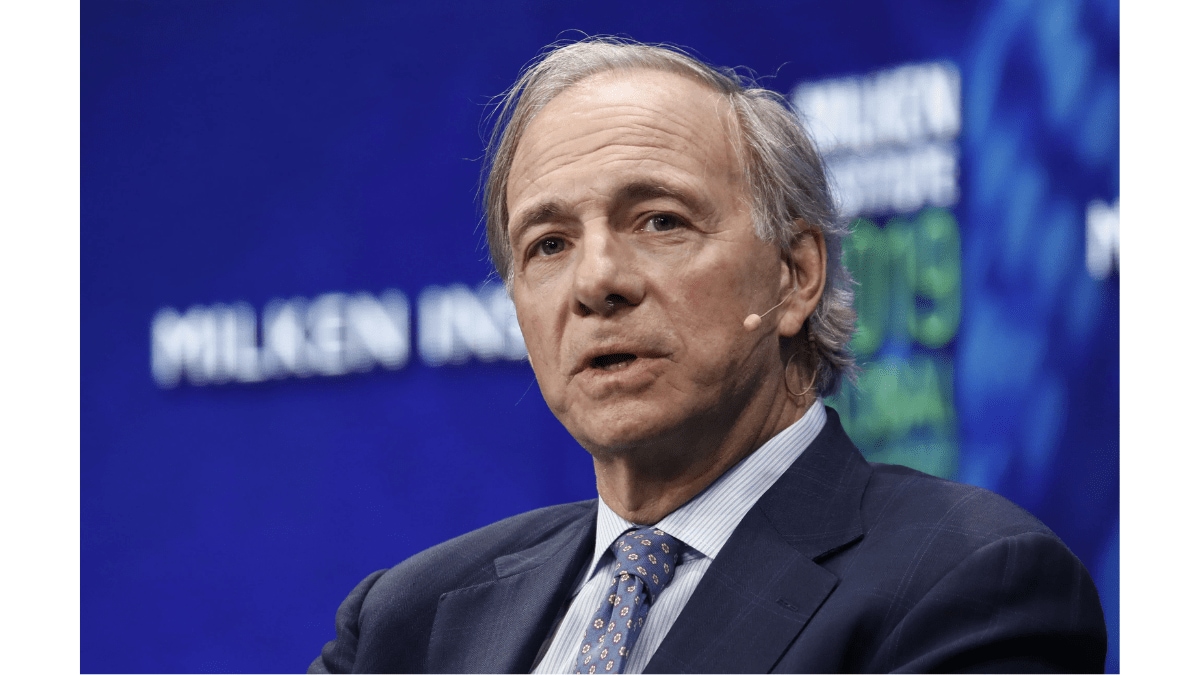
‘Own your life and take responsibility for making it great.’ That was the message billionaire investor Ray Dalio delivered to the Long Island University Class of 2026 as they prepared to leave campus and enter a new world. Dalio has five decades of experience as an investor, entrepreneur, husband, father and grandfather and he urged graduates not to measure success by wealth or status, but by their ability to learn from reality, build meaningful relationships and pursue work that excites them.
“When life doesn’t give you what you want, you can be angry or sad for yourself, or you can learn about how reality works and develop principles that work well to get what you want,” he said. The commencement address, delivered at the university where Dalio graduated in 1971, was part life lesson, part reflection on failure and resilience, and part roadmap for dealing with adulthood.
The diploma matters less than the approach to life
Dalio reminded graduates that while their education had prepared them for the next chapter, the most important lessons would come from experiences outside the classroom. “The most valuable thing you can have in your next phase of life is not your diploma or even what you have learned thus far—it is your approach to life,” he said.
According to Dalio, many graduates enter adulthood believing they know more than they actually do. School rewards students for having the right answers and avoiding mistakes, but real life operates differently.
“When entering phase two, you are almost certainly making the mistake of thinking that you know more than you actually know,” he said. “The big question is will you learn?” For Dalio, success begins with accepting that no one has all the answers and remaining open to learning from experience.
Why failure became his greatest teacher
One of the central themes of Dalio’s speech was the importance of failure.The founder of Bridgewater Associates, one of the world’s largest hedge funds, recalled a devastating period early in his career when a major market prediction went wrong. The mistake cost him clients, nearly destroyed his business and left him borrowing money from his father to pay bills. He described the experience as one of the most valuable moments of his life. “It gave me the humility I needed to balance my audacity,” Dalio said.
The setback forced him to rethink how he approached decision-making. Instead of assuming he was right, he began questioning his own conclusions. “Rather than thinking, ‘I’m right,’ I asked myself, ‘How do I know I’m right?'” That change in thinking led him to actively seek out people who disagreed with him and test his ideas against theirs. The lessons he learned from that painful experience later became the foundation of Bridgewater’s success.
Pain is not the enemy
The most memorable line of the speech was one that has become one of Dalio’s personal principles, “Pain + Reflection = Progress.” He explained that painful experiences often contain valuable lessons if people are willing to examine them honestly. “I got in the habit of viewing pain as a signal that I have a problem, which I view as a puzzle to solve,” he said. Rather than avoiding setbacks, Dalio encouraged graduates to embrace them as opportunities for growth.
“I learned to value my painful experiences because they became my best learning experiences and led me to make great advances.” The principle was shaped not only by professional failures but also by personal tragedies, including the loss of a son. During life’s most difficult moments, Dalio said meditation and reflection helped him understand reality and develop principles for moving forward.
The case for radical open-mindedness
Dalio repeatedly returned to one idea throughout his address: the need to be radically open-minded. In a world where people increasingly seek affirmation rather than challenge, he argued that real growth comes from exposing oneself to different viewpoints. “Be radically open-minded to hear how you can be better,” he told graduates. His own career, he said, improved dramatically when he started surrounding himself with people who questioned his assumptions rather than agreed with them. For young people entering the workforce, Dalio suggested that curiosity, humility and a willingness to change one’s mind may be more valuable than confidence alone.
Success is not about money
Despite building a fortune in the financial world, Dalio spent a significant portion of his speech challenging conventional ideas about success. “Success is not having a lot more money or status than you need,” he said. Instead, he argued that true success comes from having “meaningful work and meaningful relationships.” “I believe that it is a matter of having meaningful work and meaningful relationships—in other words, work and relationships that you are thrilled by.”
Dalio described his wife, children and grandchildren as some of the greatest sources of happiness in his life and called choosing a life partner one of the most important decisions anyone can make. He also encouraged graduates to pursue careers that align with their interests and strengths. “If you can make your work and your passion one and the same, and do it with people you care about, you will have a happy, successful life.”
Hard work still matters
Dalio made it clear that success ultimately requires effort. “I urge you to own your life and take responsibility for making it great,” he said. That means understanding reality, learning from mistakes, listening to criticism and continuously improving. But it also means putting in the work. “If you want to be really successful, recognize that you have to work damned hard at doing those things well.” His final reminder was simple but direct. “Excellence is worth it. That’s just how life works.”