



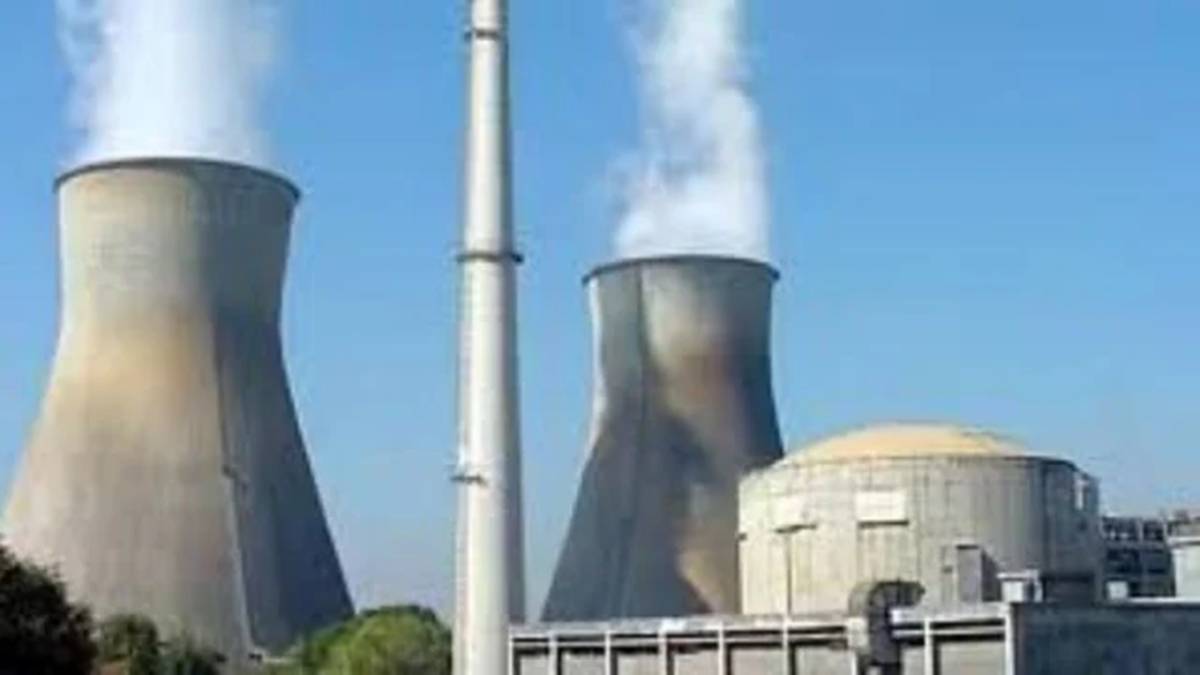
Anushakti Vidhyut Nigam Ltd, the joint venture between NTPC and Nuclear Power Corporation of India Ltd, has invited bids for a Rs 28,000-crore engineering, procurement and construction package for the 2.8-GW Mahi Banswara nuclear power project in Rajasthan, marking the largest nuclear-island tender under India’s indigenous reactor programme.
The package covers the primary core infrastructure for four 700-MW pressurised heavy water reactors based on locally developed technology. It includes the nuclear buildings raft, reactor building internal structures, heavy-water upgrading plant, plant-water systems and waste-management facilities. The nuclear island houses the reactor and systems needed to produce steam and ensure safe plant operation.
The tender document released on Thursday said that it is a two-part tender for “engineering, design, supply, inspection, testing, packing, forwarding, transportation to site, guarantee, storage, fabrication, civil works, erection, examination, testing, commissioning, operation and maintenance as per the tender specification of nuclear island mega epc package (NIMEP)” for the project.
NPCIL said in a post on X that the package, estimated at over Rs 28,000 crore, is the largest ever floated for India’s indigenous PHWR programme. “The comprehensive package covers engineering, manufacturing, supply, civil construction, installation, testing and commissioning assistance of critical nuclear island systems for four PHWR units of 700 MWe capacity each,” it said.
The project will be the first nuclear power plant in India not wholly owned by NPCIL. The state-run company currently owns the country’s entire installed nuclear capacity of 8.8 GW.
The tender comes as the Centre seeks to scale nuclear capacity to 100 GW by 2047 to strengthen energy security and support the transition away from fossil fuels. Nuclear plants generated 56,681 million units in 2024-25, accounting for 3.1% of total electricity generation.
India is currently operating 24 nuclear power reactors across seven sites with a total installed capacity of 8.78 Gigawatt. Ten more reactor units with a combined capacity of eight thousand Megawatt are under construction.
The Shanti Bill, 2025, opened nuclear generation to private participation and eased supplier liabilities. The FY26 Budget also announced a Nuclear Energy Mission with Rs 20,000 crore for research, design, development and deployment of small modular reactors, targeting at least five operational units by 2033.
India’s Prototype Fast Breeder Reactor at Kalpakkam achieved criticality on April 6, enabling a sustained nuclear chain reaction. Once operational, it will help utilise thorium reserves, reduce uranium-import dependence and make India the second country after Russia to operate a commercial fast breeder reactor.