



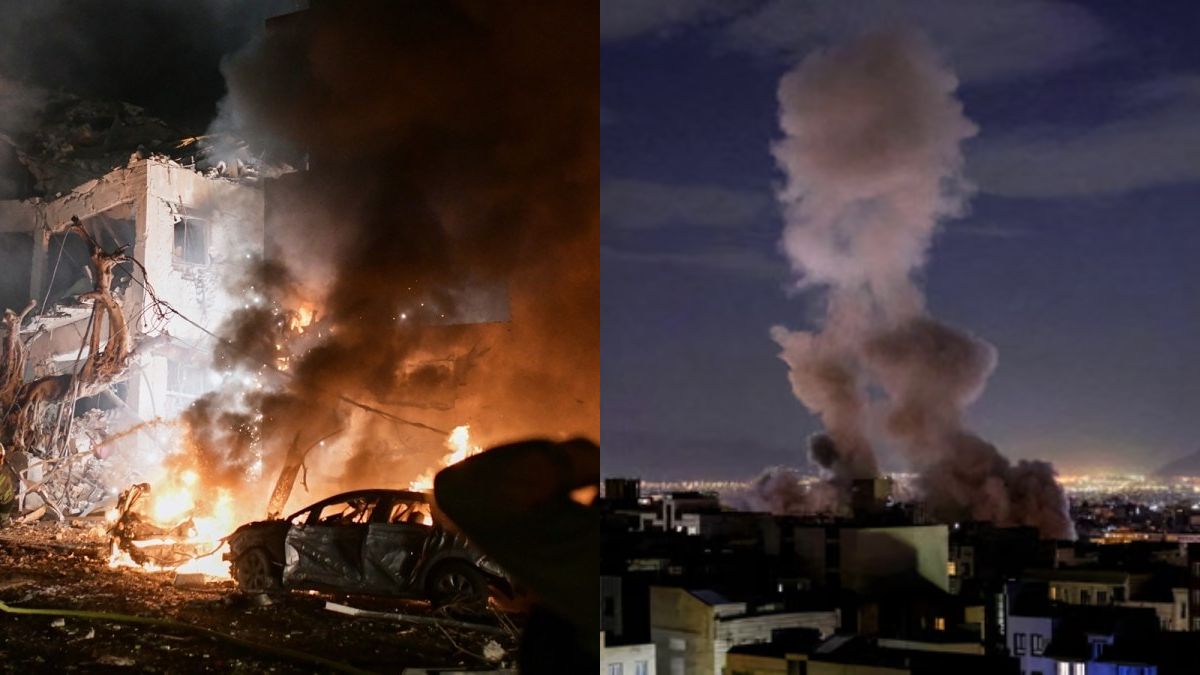
Wars in West Asia have a stubborn habit of defying their architects. They begin with promises of swift deterrence and decisive outcomes; they end in prolonged instability, economic disruption, and geopolitical blowback. The latest spiral of violence—marked by a US strike on Iran that killed Ayatollah Ali Khamenei—is no exception. If anything, it reinforces a grim truth: no one will win this war: not the combatants; not their allies; and not the global economy.
Only consistent victor is mass destruction. The US has yet to provide a credible and transparent explanation for why it chose to escalate so dramatically by targeting Iran’s supreme leader. Assertions of deterrence and regional security have been offered, but without clear evidence of an imminent threat that left no room for diplomacy.
Eliminating a head of state is not a tactical footnote; it is a strategic earthquake. Such actions demand clarity of purpose and a realistic pathway to stability. Neither has been convincingly articulated.
America’s past military operations
In the past, American forces were deployed across multiple theatres, from Syria and Iraq to Afghanistan and beyond. Yet the strategic dividends remain elusive. Tactical strikes have not yielded durable political settlements.
The experiences of the Iraq war and the war in Afghanistan should have delivered a lasting lesson: West Asia resists neat military solutions. Both campaigns began with confidence and clarity; both devolved into long, costly entanglements that drained resources and fractured domestic consensus while leaving the region deeply unstable.
Renewed confrontation today unfolds against a fragile global economic backdrop. The first transmission channel is oil. Even the perception of instability around the Strait of Hormuz is enough to push crude prices sharply higher. A sustained conflict premium in energy prices operates as a tax on global growth.
It raises transport and manufacturing costs, feeds inflationary pressures, and forces central banks into tighter monetary stances just when growth needs support. For the US, higher defence spending and conflict-driven inflation threaten fiscal strain and political fatigue. Strategic overreach diverts attention from pressing domestic priorities.
A slowing American economy
A slowing American economy does not remain contained; through trade, capital flows, and currency markets, its tremors spread globally. For India and other emerging economies, the consequences are harsher still. They bear the costs of decisions in which they have limited influence.
Oil shocks widen current account deficits and strain public finances. Volatile capital flows trigger currency pressures and tighter liquidity. Remittance flows from the Gulf, lifelines for millions of households, become vulnerable in any regional conflagration.
These are not abstract macroeconomic variables; they shape employment, consumption, and household welfare. Meanwhile, the battlefield rarely produces closure. Escalation invites counter-escalation. Shipping lanes grow uncertain; insurance premiums rise; supply chains reroute; and investors retreat.
Each side may claim tactical gains; none secures lasting peace. The architecture of insecurity expands. The central illusion is that force can compress complex political conflicts into short, controllable campaigns. West Asia’s history suggests the opposite.
External intervention often fragments states, empowers non-state actors, and entrenches grievances that outlast any administration. The world economy, already navigating uneven recovery and fragile confidence, cannot absorb another self-inflicted shock. Diplomacy is imperfect and slow, but it is cheaper than war—fiscally, politically, and morally.
When the smoke clears after the latest war, what will remain is not strategic clarity but shattered infrastructure, displaced civilians, and heightened mistrust. In modern conflict, destruction is the only reliable beneficiary.