



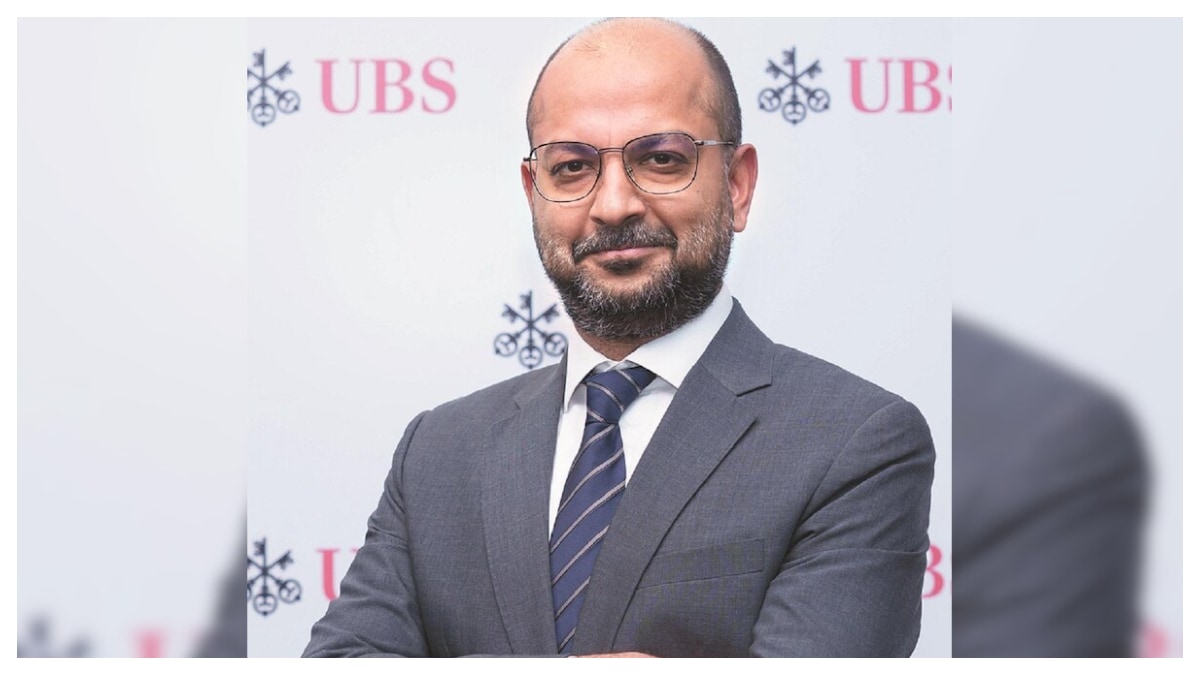
India sits on the wrong side of the global risk-reward equation for now, said Gautam Chhaochharia, managing director & head of Global Markets India at UBS Securities. In a conversation with Mahesh Nayak, he talks about how geopolitics, currency volatility and shifting global narratives are shaping investor sentiment. He explains why India’s long-term story remains intact despite near-term caution, how rupee weakness is influencing foreign flows, and what policy levers could meaningfully improve India’s relative appeal. Excerpts:
How should markets interpret the ongoing crisis in West Asia?
When I look at West Asia, the first thing that strikes me is the consistency in the US administration’s messaging. From day one, they have always maintained that they don’t intend to be involved (in the conflict) for an extended period. For me, the real economic risk isn’t the conflict itself, it comes from the potential disruption to supply chains, especially anything affecting energy infrastructure or the Strait of Hormuz. The supply chain is no longer just about pricing; it’s about the availability of inputs. If this situation wraps up within a few weeks, the impact should be manageable. But if it drags on for months, the pressure on supply chains, inventories, and global flows becomes much more meaningful. Markets can absorb short-term shocks, but prolonged uncertainty starts to seep into pricing, sentiment, and macro growth & inflation assumptions.
How are clients reacting to the uncertainty?
Clients are extremely cautious right now. Multiple macro channels from oil prices, gas availability, currency pressure, and trade flows are all weighing on sentiment at the same time. The single biggest variable is the duration of the conflict. If it drags on, the uncertainty compounds; if it resolves quickly, much of this caution can unwind just as quickly.
How are foreign investors viewing India now?
The key considerations remain similar, with growth trending lower, valuations on the higher side, and comparatively stronger opportunities in other markets. On both growth and valuation, India stood out on the wrong side. The new drag is the currency. Rupee weakness has amplified return concerns. However, global investors aren’t exiting India structurally; at least we haven’t seen anything to suggest that they are thinking the India story is over. In fact, private equity allocations into India continue to rise.
Has the India story changed?
Nothing has changed about India’s long term trajectory; India is still a growth market for the long term. The slowdown we have seen recently is, to me, clearly cyclical. It’s been driven by tight fiscal and monetary policy, not by any structural weakness. As those policy headwinds ease, the underlying earnings growth engine should reassert itself, as was already starting to see early signs over the last 3-4 months just before the current situation.
Then what would make you move India from underweight to neutral or overweight?
For India to move from underweight to neutral or overweight, we need to see one of two things. First, a genuine growth surprise, a meaningful pickup beyond what the market is already pricing in, and the second would be a valuation correction, either through time or price, that materially improves India’s relative risk reward versus the broader EM universe.
What do investors think about the rupee’s sharp depreciation?
Long-term investors already assume 3–4% annual depreciation when investing in India. Today, the concern is the speed at which the currency has depreciated. The move towards 95 in the short term is a sentiment concern. But we do not see panic driving discussions about structural exit from India.
Then why doesn’t India feature prominently in global market conversations?
This is largely cyclical and narrative driven. Right now, global attention is dominated by artificial intelligence, semiconductors, and US tech, and India isn’t yet part of that value chain. That’s why markets like Korea, Taiwan and the US are getting disproportionate attention. But that doesn’t mean India’s fundamentals are weak. India is a growth market, and our GDP is still growing at 6.5–7%. The underlying story is intact; it’s just not the flavour of the global cycle at this moment.
So has India missed the AI bus? And what does this mean for Indian IT companies?
I don’t think India has missed the AI bus. It’s simply too early to say that, and there are many experts arguing the other way round. Tech disruption of this nature take years to unfold, and while India doesn’t yet have meaningful chip or LLM IP, it can benefit on the application and services side or even driving productivity locally. Over the next three years, the outlook for IT companies may not be affected much because most end client enterprises aren’t ready to apply/use AI. The real question for stocks in the sector is long term terminal value, whether AI shrinks the services stack or expands it with entirely new applications.
What policy moves could attract more flows?
One clear policy lever that can attract more flows is capital gains tax rationalisation. When pre-tax returns are lower, tax matters, even a small adjustment, can meaningfully improve India’s relative appeal for global investors.