



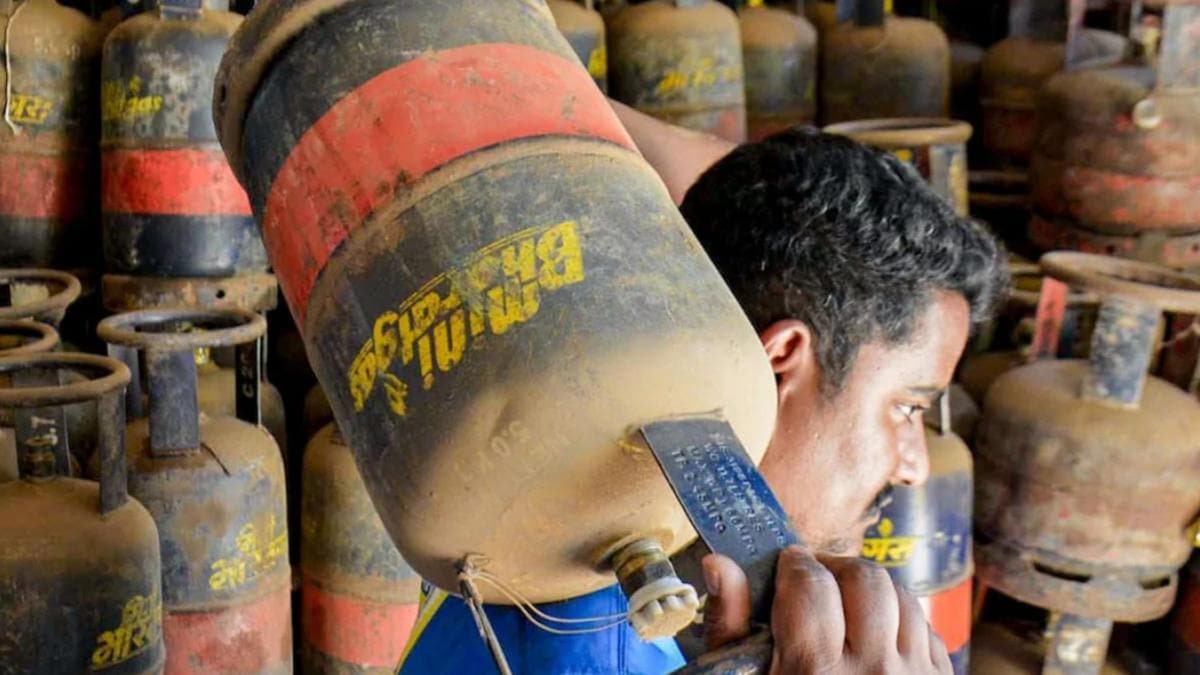
The government has approved an additional 20% allocation of commercial LPG to states and Union Territories, raising the total allocation to 50%. This development came after domestic output improved and fuel supplies began stabilising after recent disruptions.
The move follows a three-week-long conflict in the Middle East that had strained energy supply chains to India. It pushed authorities to initially curb LPG supplies to commercial users such as hotels and restaurants in order to prioritise household consumption. Supplies were later partially restored, with a 20% allocation followed by an additional 10%, contingent on states accelerating piped natural gas (PNG) infrastructure.
In its latest decision announced on Saturday, the government said the enhanced allocation would benefit key sectors including restaurants, hotels, industrial canteens, food processing units, community kitchens and subsidised food outlets. Measures have also been introduced to support migrant workers through targeted LPG distribution.
According to an official communication from the oil secretary to states, the additional allocation will be conditional on commercial establishments registering with oil marketing companies and applying for PNG connections, part of a broader push to reduce dependence on LPG.
Dr Neeraj Mittal, Secretary of the Ministry of Petroleum & Natural Gas, writes to all State/UT Chief Secretaries
— ANI (@ANI) March 21, 2026
"I wish to now inform you that w.e.f 23.3.26 till further notification, another 20% is being allotted to the State, which would take the overall allocation to 50% of… pic.twitter.com/lc6zHVnLC5
The government maintained that domestic LPG supply remains stable, with no shortages reported at distributorships and normal delivery operations continuing. Panic bookings have declined, and citizens have been advised to avoid crowding and rely on home delivery services.
To further ease pressure on supplies, authorities are promoting a shift towards PNG, particularly for commercial consumers, and have urged states to expedite approvals for city gas distribution networks. Refineries across the country are operating at high capacity with sufficient crude inventories, ensuring steady availability of petrol and diesel, with no shortages reported at retail outlets.
Natural gas supplies to priority segments such as domestic PNG users and CNG transport remain fully intact, while industrial consumers are receiving around 80 per cent of their usual allocation.
Additional measures include boosting domestic LPG production, extending booking intervals, and supplying extra kerosene as an alternative fuel. Enforcement agencies have intensified action against hoarding and black marketing, conducting over 3,500 raids and seizing around 1,400 LPG cylinders nationwide.
In the maritime sector, the government said 22 Indian-flagged vessels with 611 seafarers remain in the western Persian Gulf region, with no incidents reported in the past 24 hours.