



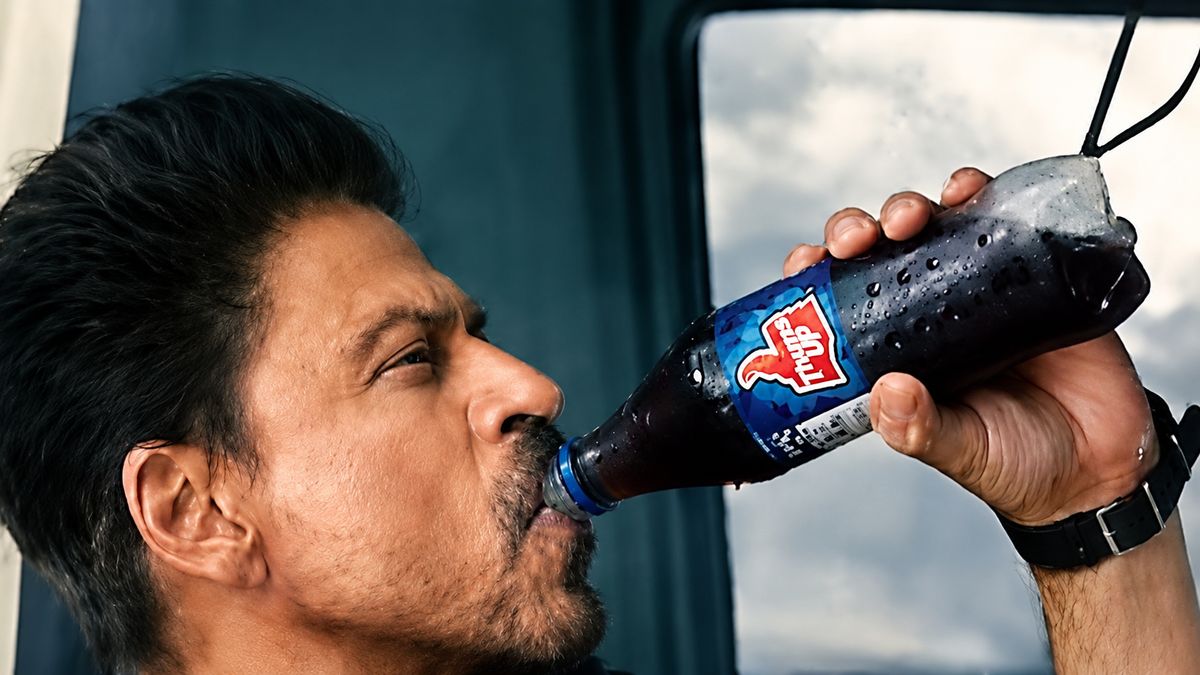
For Gen Z, influence is no longer built only on distance. It is built on proximity. This is a generation that has grown up seeing public figures in far more dimensions than any generation before it. They do not encounter celebrities only in films, matches, magazine covers or large-format campaigns. They see them through reels, comments, lives, creator collaborations, airport videos, podcasts and everyday moments.
As a result, the idea of celebrity has become more layered. This is changing what brands need from celebrity partnerships. The older model was largely about association. A famous face brought visibility, stature and aspiration. Today, the stronger question is not whether a celebrity is known, but whether the association feels natural to the consumer. Gen Z is quick to recognise when a partnership is only transactional. They are equally quick to engage when a celebrity, creator or public figure feels aligned with the product, the moment and the culture around it.
A Kantar report found that India has 377 million Gen Z consumers, yet only 15% of brands have a focused strategy to engage them. That gap is important because this is not a niche audience anymore. It is one of the largest consumption cohorts shaping categories, language and brand expectations in India.
For brands, the implication is clear. Celebrity marketing has to move from endorsement to evidence. A campaign cannot simply say a product is stylish, comfortable or relevant because a celebrity is wearing it. It has to show the product living naturally in that person’s world. In categories like fashion, footwear and lifestyle, this matters even more because the consumer is asking very practical questions. Can I wear this every day? Does it fit my style? Does it feel comfortable? Does it say something about me without feeling forced?
This is why creators have become central to the new influence mix. They bring context, repetition and real usage. Celebrities still bring scale, but scale works best when it is supported by cultural fit and credible storytelling. The future is not celebrity versus creator. It is a celebrity, creator and community working together with a clear role for each.
For legacy brands, this shift is particularly important. Young consumers do not expect established brands to behave like internet-first brands. They expect them to stay true to their core while showing up in ways that feel current. That means the product, the personality and the message have to move in the same direction.
Gen Z is not rejecting aspiration. It is redefining it. Aspiration today is less about looking unreachable and more about feeling relevant, useful and real. For celebrity marketing, that is not a threat. It is a much better brief.
The author is CSO & chief business development officer, Bata India.
Disclaimer: The views expressed are the author’s own and do not reflect the official policy or position of Financial Express.