



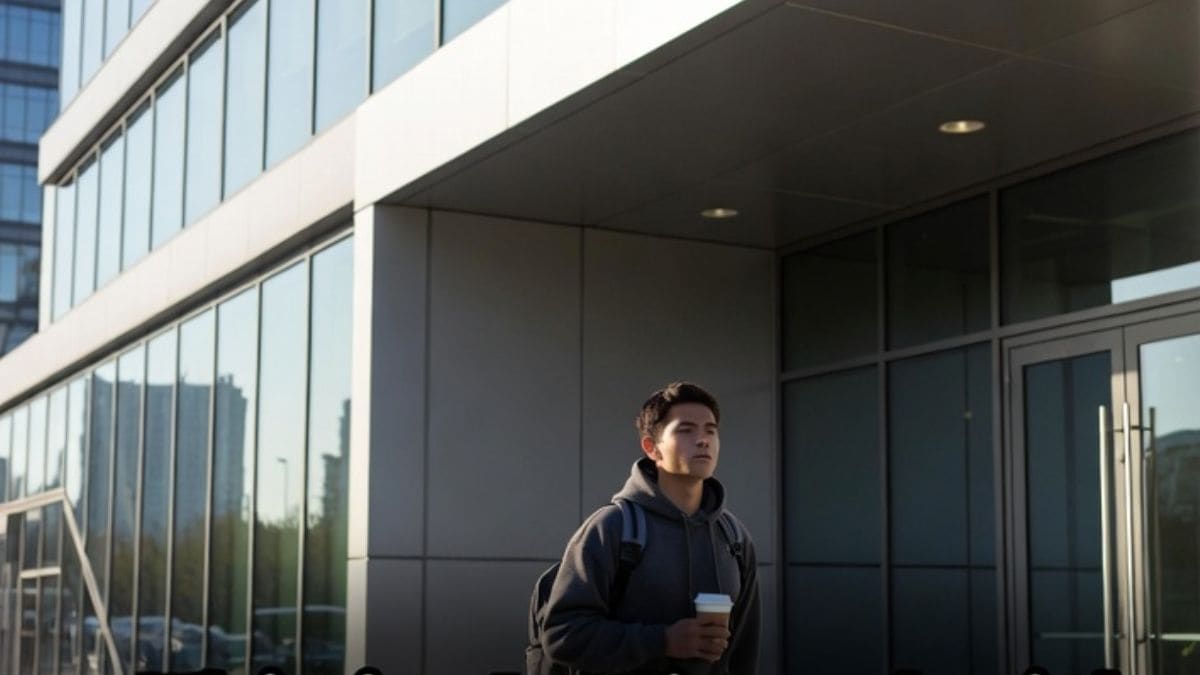
A viral social media post about a Gen Z employee allegedly quitting on their very first day, after leaving for lunch and never returning, has sparked a bigger debate about how younger workers view jobs, workplace culture and personal boundaries.
The discussion began after a post on X by career counsellor Simon Ingari went viral on April 16. In the post, he shared the story of a new Gen Z employee who joined a team, sat through onboarding, and listened as the manager explained the schedule.
“Lunch break is 1 to 2,” the manager reportedly said. The new hire nodded. When the clock struck 1 pm, the employee stood up and said, “Going for lunch.” Everyone expected the worker to return an hour later.
But 2 pm passed. Then 3 pm. There was no message on Slack, no excuse, no update. At 4:18 pm, HR finally sent a text. The reply was short and direct. “I realized this isn’t aligned with what I’m looking for.”
‘Not disrespect. It’s efficiency’
Ingari used the story to make a larger point about how younger workers are often misunderstood. “When people say Gen Z lacks commitment, what they really mean is Gen Z doesn’t stay to be convinced, pressured, or guilted into a bad deal,” the post said. “They listen carefully. They test the reality. And when it doesn’t match the promise, they leave.” “It’s not disrespect. It’s efficiency.”
The social media post ended up getting huge attention, drawing thousands of reactions from people who either praised the worker’s honesty or criticised the move as unprofessional.
A Gen Z joined the team.
— Simons (@Simon_Ingari) April 16, 2026
Week one.
During onboarding, the manager said, “Lunch break is 1 to 2.”
Gen Z nodded.
At 1:00 PM,
He stood up and said, “Going for lunch.”
Everyone nodded.
2:00 PM passed.
Then 3:00 PM.
↓↓
Internet sharply divided
Many users sided with the employee, saying younger workers are simply refusing to stay in jobs that do not match what was promised. Some called it “healthy boundaries.” Others said it showed self-respect and confidence. One user wrote that Gen Z is willing to leave immediately if a company sells one image during hiring but shows another reality on day one.
But not everyone agreed. Several users said leaving without properly informing the company was immature and could hurt future opportunities. Others argued that every job deserves at least some patience before quitting.
What research says about Gen Z at work
One of the biggest reasons why this post went viral is likely because of the bigger change happening across workplaces. For many older workers, staying in a difficult job was often seen as normal. Long hours, strict bosses and limited flexibility were accepted as part of professional life.
Many younger workers do not see it that way. Gen Z employees are more likely to ask whether the pay is fair, whether the culture is healthy, whether growth is possible, and whether the job allows a life outside work. If the answer is no, many feel there is no reason to stay.
Randstad’s 2025 Gen Z Workplace Blueprint found that younger workers tend to switch jobs faster than previous generations early in their careers. Its Workmonitor 2025 report also found that work-life balance now ranks above salary for many workers when choosing a job.
Another survey by Resume.org found that a large number of Gen Z workers in the United States are considering changing jobs in 2026. Experts say many younger employees entered the workforce during the pandemic, economic uncertainty and a time when burnout suddenly became a hot topic. Because of that, they often judge jobs more quickly and are less willing to remain unhappy for long.
Disclaimer: The content in this article is based on a viral social media discussion and is intended for informational and entertainment purposes only. The financial figures and strategies mentioned are personal to the user and have not been independently verified.