



Sudan took the unprecedented but expected step of floating its currency Sunday, meeting a major demand by international financial institutions to help transitional authorities overhaul the battered economy.
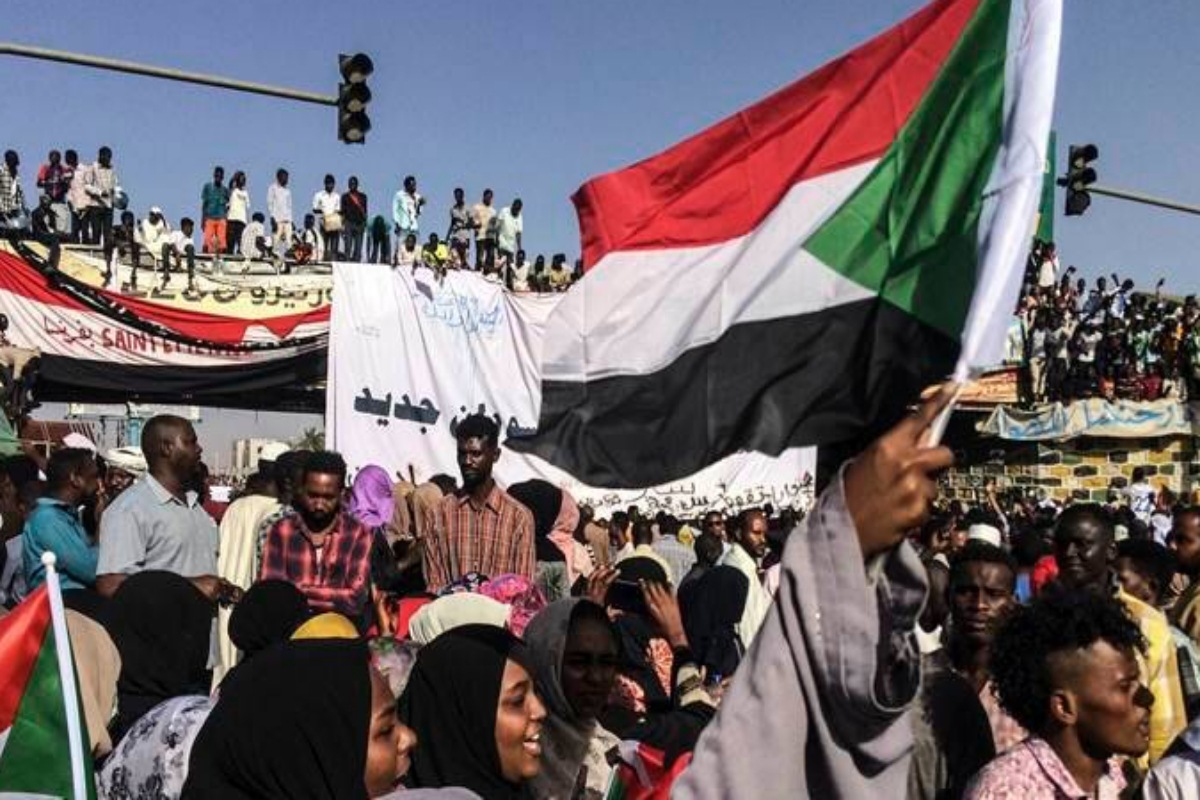
The floatation is the boldest economic measure taken by the transitional government that has ruled Sudan after a popular uprising led to the military’s overthrow of autocrat Omar al-Bashir in April 2019.
Sudan’s currency will now fluctuate according to supply and demand, according to a statement by the Central Bank. It said the floatation is part of measures the transitional government has embarked on to help stabilise the country’s economy.
Sudan has for years struggled with an array of economic woes, including a huge budget deficit and widespread shortages of essential goods and soaring prices of bread and other staples. The country is USD 70 billion in debt and its annual inflation soared past 300 per cent last month.