



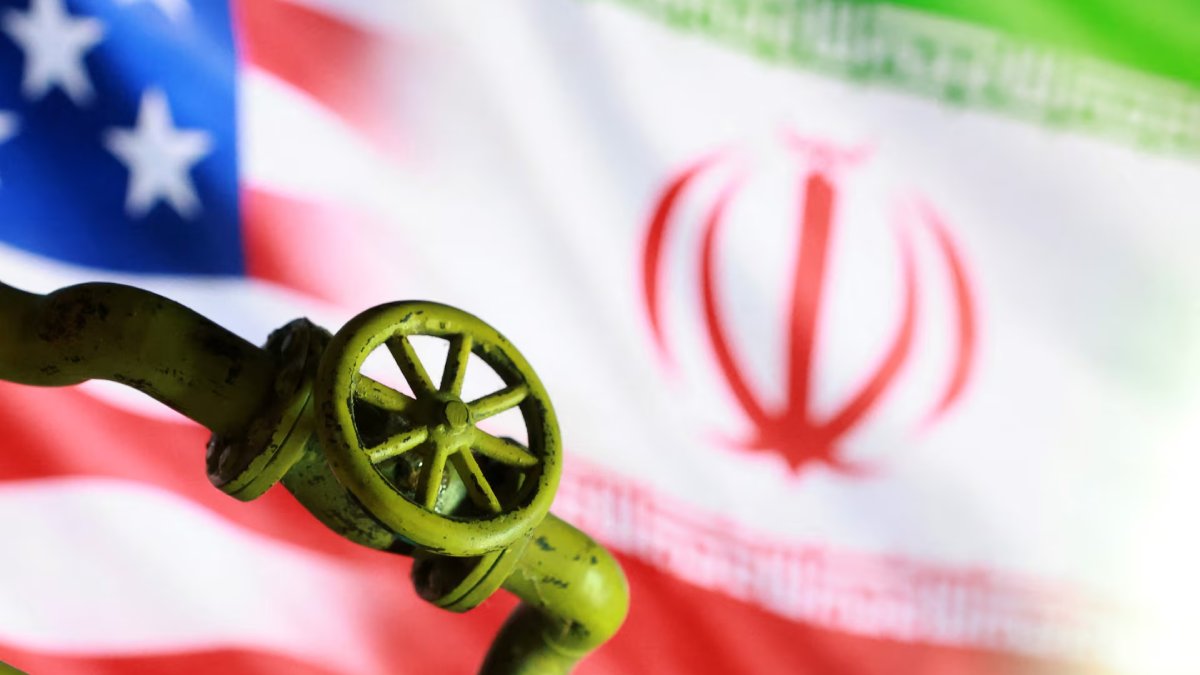
Amid the ongoing US-Iran conflict, policymakers face a familiar question: what constitutes a viable end to war, and whether those outcomes could have been achieved without escalation. Past conflicts suggest that while military action may yield immediate gains, it often falls short of delivering lasting stability.
Cycles of retaliation remain a defining feature of modern warfare. Actions by one side are typically met with responses from the other, regardless of asymmetries in resources or capabilities. External alignments further complicate this dynamic, as major powers often intervene, widening the scope of conflict. In such a setting, violence tends to reproduce itself rather than resolve underlying disputes.
It is in this context that the ideas of Mahatma Gandhi continue to be invoked. Gandhi argued that the means used to achieve an end are inseparable from the outcome itself. While violence may appear effective in the short term, he maintained that it ultimately perpetuates further violence. His emphasis on ahimsa, or non-violence, was not limited to the absence of force but extended to the cultivation of restraint and engagement without hostility.
Gandhi’s formulation linked satya (truth) and ahimsa as interdependent principles, suggesting that ethical ends cannot be pursued through coercive means. His writings often reflected the view that violence, once initiated, has a tendency to return to its source, making it difficult to contain.
In India, these ideas have had a lasting influence on approaches to conflict and reform. While not uniformly applied, the preference for constitutional and institutional mechanisms has remained central to the country’s political framework. This stands in contrast to trajectories in some other post-colonial societies where armed struggle shaped both independence movements and subsequent governance structures.
At the same time, the limits of non-violence in addressing immediate security challenges continue to be debated. In a global environment marked by strategic competition and shifting alliances, states often prioritise deterrence and defence capabilities alongside diplomatic efforts.
The current conflict, like many before it, underscores the complexity of balancing immediate security concerns with long-term stability. As policymakers weigh their options, the question is not only how conflicts are fought, but whether alternative approaches can prevent cycles of escalation from taking hold.
Disclaimer: The views expressed are the author’s own and do not reflect the official policy or position of Financial Express