



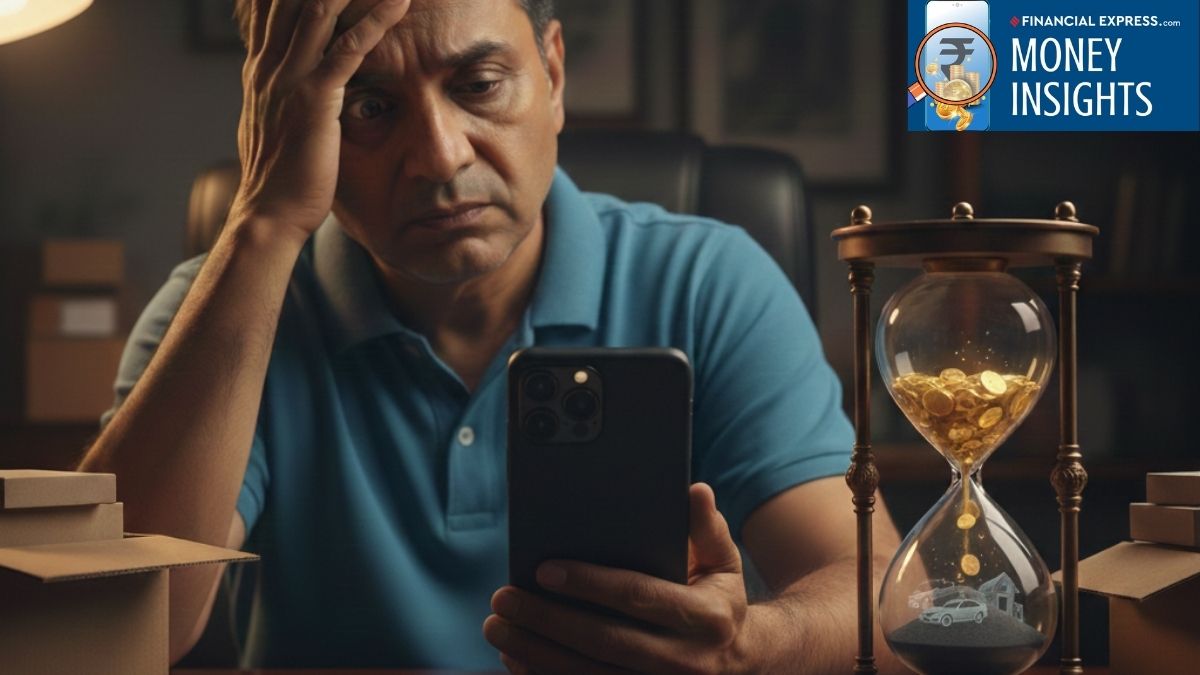
A ₹1,200 food delivery after a long day at work feels earned, as does a ₹5,000 impulse purchase made simply because the item was “on sale.” And a ₹15,000 weekend getaway to relax also feels like a reasonable expense. When these one-time expenses are repeated regularly enough to be considered habits, they collectively have a profound effect on both how people manage their finances in a given month, and ultimately, their overall long term financial situation.
For example, if an individual spends approximately ₹8,000 each month on unplanned or discretionary purchases (i.e., “treats”), that is equivalent to approximately ₹1 lakh annually. At an estimated return of 11% per annum, that would grow to between ₹35–₹40 lakhs over a period of 15 years.
Spending on comfort, convenience, and experiences is part of a balanced life. The problem is not enjoying money — it is failing to recognise how small, repeated indulgences quietly shape long-term financial outcomes when they become habits rather than conscious choices.
Therefore, the true cost of “rewarding” yourself is not what you take out of your bank account today; it’s the wealth that you will never realise because of those same “rewards”. The realisation of this hidden cost is important for individuals who want to create genuine financial security but still enjoy life.
#1. Reward Spending Slowly Becomes a Fixed Monthly Expense
The majority of consumers see their rewards as an “occasional” thing; however, their reward spending develops into a “predictable” monthly expenditure as well.
A good example of this is buying a new phone every two years for Rs. 60,000, which comes out to be ₹2,500/month. If you add another ₹1,500 to that (for your streaming services), and another ₹2,000 for your weekend convenience spending; then you are spending almost ₹6,000 a month on things that have no visible “expense” in most budgets.
That is ₹72,000/year, when invested at 11% can grow to ₹50 – 55 lac by the end of 20 years. What you feel is luxury, will quietly cost you some serious money in lost wealth down the road.
#2. One “Bigger” Annual Reward Can Quietly Cost You Nearly ₹3 Crore
You can lose almost ₹3 crore by one big reward you get once in a year. It does not cause you enough harm as it comes only once per annum. Most people think that a ₹2.5 lakh spending on an annual basis on a holiday, gadget or an indulgent lifestyle is affordable to most working professionals; especially when your salary increases over time.
But if we consider the same amount of ₹2.5 lakh spent each year for 25 years with an average return of 11%, the returns could be about ₹2.8 – ₹2.9 crore. So one big spend each year may replace what could have been a multi-crore wealth creation opportunity.
Since you feel you are justifying your expense and it is not frequent, the guilt or the budget related stress usually does not come up. But you still lose a lot of money in terms of compounding year-after-year.
#3. Lifestyle Upgrades Lock in Hidden Costs
Lifestyle upgrades, such as car upgrades, smart phone upgrades, etc., may appear to be inexpensive rewards for an employee who has received a raise. However, these upgrades are typically long-term (or even permanent) monthly expenses that continue to reduce future wealth over time.
For example, increasing your EMI by ₹14,000 per month seems manageable in the short term. Over 20 years, that’s ₹33.6 lakh in total payments. But if the same ₹14,000 were invested instead at 10% annual returns, it could grow to ₹1.06 crore.
In other words, what appears to be a small reasonable upgrade today can become the replacement for a crore of potential wealth in the future. Once you have allowed lifestyle inflation into your spending habits, it is very difficult to reverse.
#4. Subscriptions and Small Convenience Spending Leak Wealth Silently
Many people consider monthly subscription services and daily convenience expenses to be relatively insignificant; however, the small amounts of money spent on them each month can quickly add up. For example, if you pay ₹500 a month for a streaming service, spend ₹700 a month for cabs a few days a week, and spend ₹300 a month for coffee, that totals ₹3500 a month or ₹42,000 a year.
If you were to invest that amount of money at a 10% rate of return per annum for 20 years, it would have an estimated value of approximately ₹26.8 lakhs by then. That is an enormous amount of money lost over time for a little bit of short term convenience.
They are both so inexpensive and occur so frequently that many do not account for them as “actual expenses” in their budget and therefore continue to drain their ability to save and reach their long-term financial goals.
#5. Impulse Shopping Creates a Hidden “Creeping Expense”
Impulse buys — a ₹2,000 gadget, ₹1,500 clothing splurge, or ₹1,000 random online deal — often feel minor. But if these happen twice a month, that’s ₹7,000 per month or ₹84,000 a year.
Invested instead at 10% annual returns for 15 years, this money could grow to approximately ₹29 lakh.
What feels like small, emotionally justified spending today quietly replaces potential future wealth. Because impulse purchases are scattered and irregular, they are often ignored in budgets, making this one of the most dangerous forms of reward spending.
#6. Salary Hikes Often Trigger Invisible Reward Spending
When you receive an annual salary hike of ₹20,000 per month (₹2.4 lakh) you will likely spend this money on the finer things in life – such as a new automobile, eating at nicer restaurants, or subscribing to premium services. Even though the feeling is that you have earned the right to enjoy your hard-earned money, what you are doing is creating a permanent budgetary expense.
If you were to invest the ₹2.4 lakh annual salary hike at a 10% annual interest rate over 20 years, you would end up with a total of approximately ₹1.53 crore.
What may feel like a well-deserved “reward” today will turn out to be a costly future sacrifice in terms of your potential to become financially independent. As a result, each and every time you receive a pay increase, you can unknowingly reduce the number of years you will take to achieve financial independence.
#7. Parking Money: The “Safe” Way to Lose Wealth
Many believe keeping money in a savings account is “safe.” But when your interest rate (4%) is lower than inflation (6%), your money is effectively shrinking.
After 15 years, a ₹10 Lakh nest egg grows to ₹18 Lakh on paper, but its real purchasing power drops to just ₹7.5 Lakh. You have not “saved” money; you have lost roughly ₹2.5 Lakh in value to the silent tax of inflation. What feels like a secure cushion today is actually a depleting asset that would not cover your future needs.
#8. A Big Portfolio Doesn’t Guarantee a Comfortable Retirement
A large lump sum does not guarantee security if it is not growing. An investor with ₹1.5 crore in fixed deposits (5%) earns roughly ₹62,500 per month before taxes.
If your expenses are already ₹60,000, you have zero buffer. With 6% inflation, your costs will exceed your income by next year, forcing you to “eat” your principal. True security requires your income to grow, not just sit there. Without growth, a “big number” is just a slow-motion countdown to a financial shortfall.
Rewarding yourself is important, but without conscious planning, both small and large indulgences silently erode long-term wealth. From monthly subscriptions and impulse shopping to lifestyle upgrades and salary-linked spending, every “deserved treat” carries a hidden cost. Understanding the true price of reward spending is essential — only then can you enjoy life today without compromising your financial freedom tomorrow.
Disclaimer: This article is for informational purposes only and does not constitute financial advice. Please consult a qualified professional before making investment decisions