



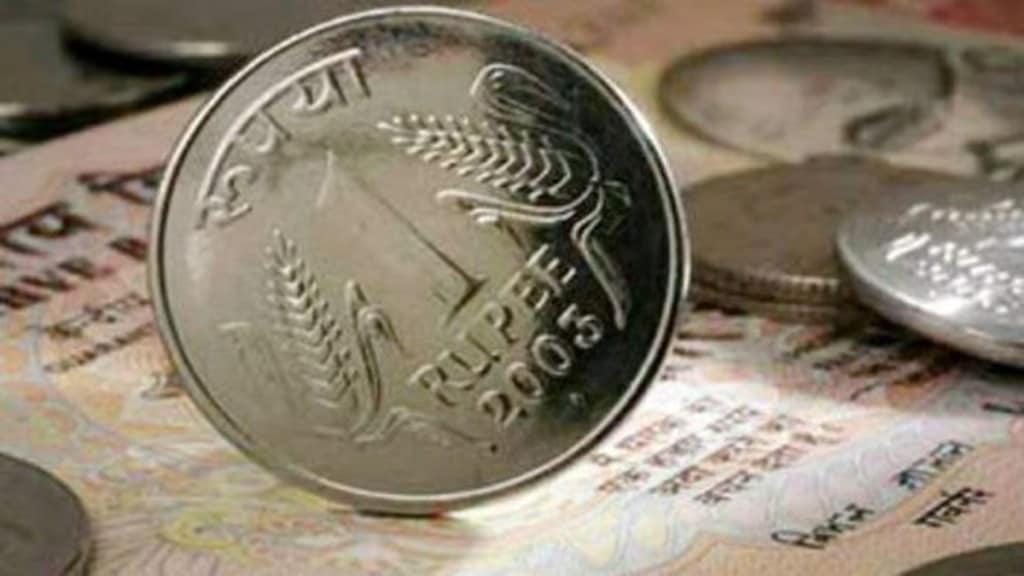
The rupee slipped to a new record low on Thursday due to foreign capital outflows and delay in a trade deal with the US. Intra-day, it fell to 90.49, before closing at a fresh low of 90.37, down 39 paise from the previous session.
The rupee has fallen 5.74% so far in the current financial year, the worst in three years. It continues to be the Asia’s worst-performing currency in FY26.
Kotak Securities sees the currency at 91 per dollar by the end of the month while Nuvama Institutional expects the rupee to fall to 91.50 over the next two-three months.
Importer Dollar Demand
“Rupee’s movement was largely fuelled by aggressive dollar purchases from importers. Specifically, surging global prices for precious metals enforced metal importers into rush for dollars, creating immense pressure,” said Dilip Parmer, research analyst, HDFC Securities. He said the depreciation was exacerbated amid likely limited intervention from the Reserve Bank of India to stabilise the market.
“The comments by the chief economic advisor weighed on the currency, along with continuous outflows from both equity and debt,” said Anil Kumar Bhansali, head of treasury, Finrex Treasury Advisors. Chief Economic Adviser V Anantha Nageswaran on Thursday said that he expects the trade deal with the US to happen by March.
Foreign investors have begun pulling out of debt markets in addition to equity following the Reserve Bank of India’s recent policy, as the market anticipates the end of the rate-cut cycle. FPIs sold bonds worth Rs 6,576 crore in the last five trading sessions. Equities have seen outflows of $1.6 billion so far in December.
Analyst Forecasts Confirm Near
Though not aggressive, the RBI likely intervened in the market to prevent any further fall, said forex traders.
“Now, 91 looks seemingly possible from here. Until there is a trade deal, we cannot see any upward movement of the rupee,” said Bhansali.
According to Parmer, the immediate resistance for the rupee sits at 90.70 and the crucial support level has shifted significantly higher to 90.10 from 89.70. “This change in the support floor confirms that the underlying sentiment remains heavily skewed towards a further weakening of the rupee in the near term,” he said.