



For seven years, every Diwali and Pongal followed the same weary script for Arjun Selvam: a 700-km journey, nearly 16 hours on the road, and the familiar ache of departure for automotive jobs—first in Chennai, later in Andhra Pradesh. Each visit ended the same way: leaving Tuticorin behind.
This year, there is no return ticket. The 28-year-old is now a quality engineer at VinFast’s $2-billion electric vehicle manufacturing facility in Thoothukudi. Where he once earned ₹15,000 a month—just enough to cover rent, send money home and save for the occasional bus ride—Selvam now takes home about ₹50,000. He has started rebuilding a life he once put on hold as for the first time, work and home exist in the same place.
A few metres away on the shop floor, Senthamizh Selvi watches a steady stream of VinFast VF6 electric SUVs glide past the conveyor belt. A mother of two primary school-going children, Selvi joined VinFast nine months ago after stints at auto firms in Chennai. Now a quality control operator, she says the job has already helped her buy a small parcel of agricultural land in her hometown. “My sons are in matriculation schools now,” she says. “Next year, I want to move them to CBSE.”
Return migration shaping Tuticorin
Selvam and Selvi are part of a quiet return migration reshaping Tuticorin. Long known as the “Pearl City”, the port town has traditionally leaned on its seaport, marine products and salt pans—accounting for nearly 70% of Tamil Nadu’s salt production and close to 30% of India’s. Today, it is drawing investments across electric vehicles, shipbuilding, solar cells and even space technology.
“We visited six states and evaluated 15 locations before choosing Tuticorin,” says Pham Sanh Chau, CEO of Vingroup Asia and VinFast Asia. Proximity to both a seaport and an airport proved decisive. “With port expansion plans, Tuticorin is logistically the most viable option for imports today and exports tomorrow,” he says.
Vinfast’s agreement with TN government
In December, VinFast deepened its bet, signing an agreement with the Tamil Nadu government to expand into electric buses, e-scooters and charging infrastructure with an additional $500-million investment. The expansion comes less than five months after the plant became operational and is expected to generate 3,000–3,500 jobs, following an 80:20 hiring model—80% local fresh graduates or interns and 20% experienced professionals from India and abroad.
VinFast is only the beginning. South Korean giant HD Hyundai plans to set up its first Indian shipyard in Tuticorin with a $2-billion investment. Cochin Shipyard and Mazagon Dock Shipbuilders will together build two greenfield commercial shipyards, committing around ₹30,000 crore and promising nearly 55,000 jobs.
“We have made a conscious effort to market the region and design structured incentive packages,” says TRB Rajaa, Tamil Nadu industries minister. Multiple cargo terminals, strong rail connectivity, a sizable SIPCOT land bank, reliable power and water—including a 60-MLD desalination plant—and a fully operational airport have turned Tuticorin into a manufacturing-export hub. Add to that the upcoming spaceport at Kulasekarapattinam and TIDCO’s Space Industrial and Propellant Parks, and investor interest has only intensified.
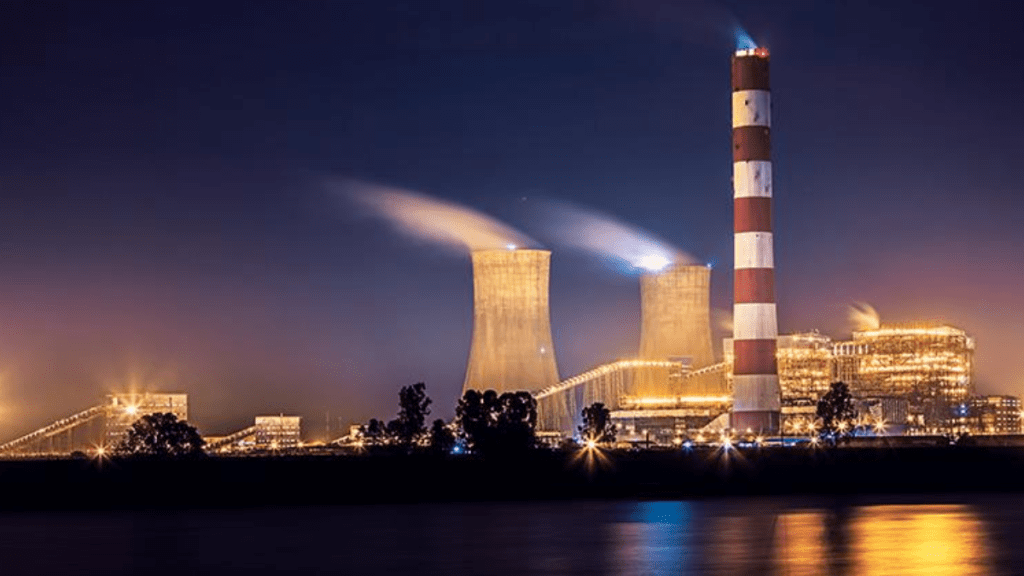
The city already hosts legacy players such as DCW Chemical Works, SPIC and the Thoothukudi Thermal Power Corporation. But the transition underway is unmistakable. Recently, the state government signed MoUs for 41 projects involving nearly ₹33,800 crore and an estimated 53,000 jobs across electronics, space tech, shipbuilding, solar cells, auto components, footwear and food processing.
“We see Thoothukudi emerging as the next major industrial hub, especially as an automotive cluster,” Chau says.
Local institutions are preparing too. Tamilnad Mercantile Bank MD and CEO Salee S Nair says the lender is positioning itself early across logistics, port-led businesses, manufacturing, renewables, MSMEs and retail. “Whether it’s supply-chain finance, salary accounts or customised products for vendors, we want to be ready from day one,” he says.
Yet, caution tempers optimism. Not all commitments have translated into construction. Singapore-based Sembcorp’s ₹36,238-crore green ammonia project remains on paper despite a foundation stone ceremony in 2024. Mega hydrogen proposals by ACME and Malaysia’s Petronas have also not taken off.
TR Thamilarasu, former president of the All India Chamber of Commerce and Industries, argues for balance. “Alongside heavy industry, Tuticorin needs soft industries—education, healthcare, hospitality—where more locals can be absorbed,” he says, warning that large foreign projects often reserve top roles for expatriates while locals get lower-end jobs. He also points to the environmental scars left by Sterlite’s copper plant, shut permanently in 2018 after protests over pollution culminated in police firing that killed 13 civilians.
Back on the VinFast assembly line, these debates feel distant. Selvi ticks off another checklist as cars roll past. With VinFast planning to expand its product range, she believes she may finally escape the ritual that once defined her working life—packing her bags and leaving Tuticorin again.
For many here, the long road out is slowly turning into a road back home.