



The Union Budget’s focus on infrastructure has two dominant themes—rejuvenating cities and high-speed rail (HSR). The finance minister spoke at length to outline the attention to tier-II and -III cities (population below 5 lakh) and a series of measures for their rejuvenation. She said, “This Budget aims to further amplify the potential of cities to deliver the economic power of agglomerations by mapping City Economic Regions (CER) based on their specific growth drivers. An allocation of Rs 5,000 crore per CER over five years is proposed for implementing their plans.” Municipal bonds too have been incentivised with an attractive package of Rs 100 crore for a single-bond issue greater than Rs 1,000 crore. Smaller issue sizes continue to be incentivised under the Atal Mission for Rejuvenation and Urban Transformation.
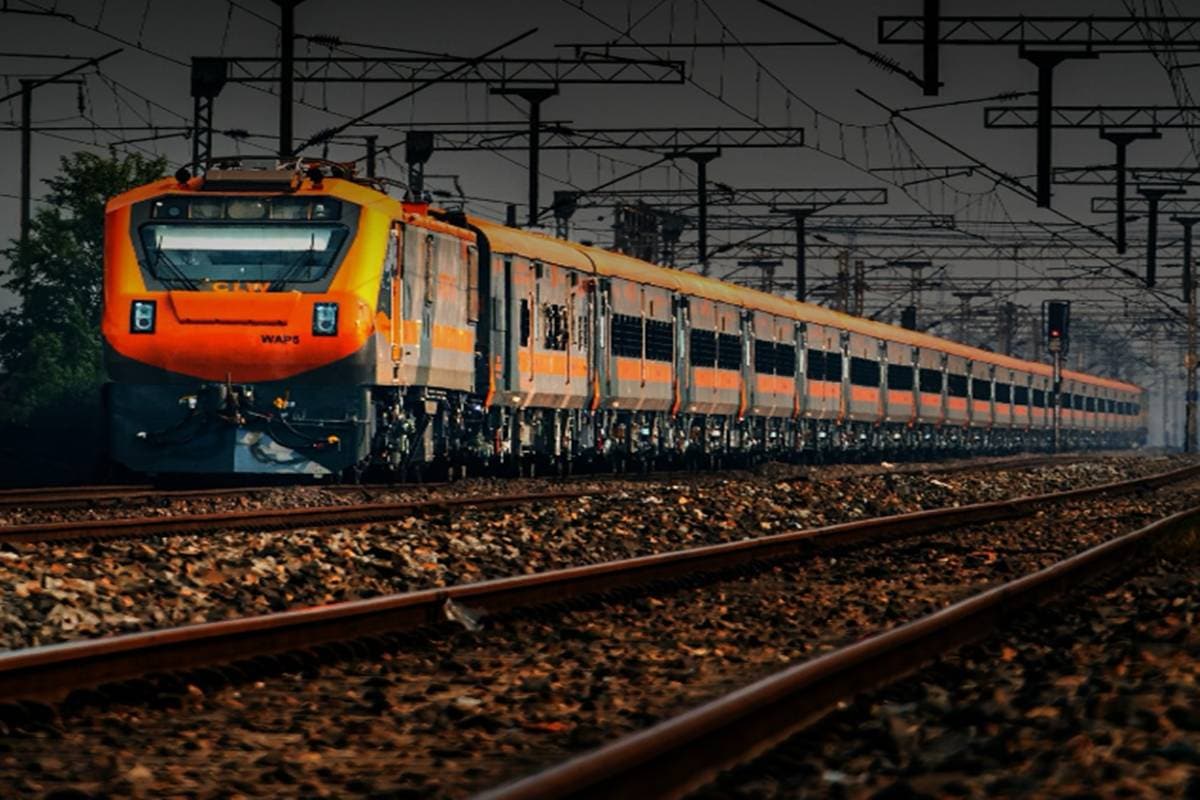
The other dominant area was the announcement of seven HSR corridors (Mumbai-Pune, Pune-Hyderabad, Hyderabad-Bengaluru, Hyderabad-Chennai, Chennai-Bengaluru, Delhi-Varanasi, and Varanasi-Siliguri). Discussed for over half-a-decade, the announcement now grabs the railway bull by the horns and forces the ministry to transform how India travels.
The Budget also emphasises inland water transport and coastal shipping; social infrastructure; financial facilities; and tax breaks and incentives for emergent areas.
Over the next five years, 20 new national waterways are to be developed along with a Coastal Cargo Promotion Scheme for incentivising a modal shift from rail and road to water to increase the share of inland waterways and coastal shipping from 6% to 12% by 2047. On logistics, India will get another dedicated freight corridor (Dankuni-Surat).
In financial facilities, the setting up of an Infrastructure Risk Guarantee Fund has been proposed to “provide prudently calibrated partial credit guarantees to lenders”. Dedicated real estate investment trusts for monetising real-estate assets of central public enterprises are also on the cards. The proposition to “restructure” the Power Finance Corporation and the Rural Electrification Corporation will be keenly watched by infra developers. (Does it smell like a merger?!).
Social infrastructure has been given granular attention. This includes five regional medical hubs, five varsity townships, and 15 archaeological sites as well as sports training institutes and tourism circuits.
Tax breaks, customs duty exemptions, incentives, and facilities for emergent areas have been listed and encompass data centres, nuclear power, aircraft repair and assembly, construction and infra equipment, container manufacturing, lithium-ion cells for battery energy storage systems and sodium antimonate used in solar glass. Rejuvenating legacy industrial clusters through infrastructure upgrade is welcome, as is setting up three dedicated chemical and mega textile parks.
The FM said the overall outlay for public expenditure for infrastructure was Rs 12.2 lakh crore, 11% higher than FY26. But the last word is awaited as the fine print will reveal other outlay-related heads like “grant-in-aid to states” and social infra investments. The number could well cross the Rs 13-lakh crore mark, sufficient to keep pump-priming the economy.
Have some expectations not been met? Yes, a few areas deserved inclusion. There was no special emphasis on PPPs, the national infra pipeline, and the national monetisation pipeline. Also, there was no mention of pension funds being allowed to directly invest in infra projects. The exercise for a fresh “harmonised list of infrastructure sectors” has been pending for long, as is the strident request from private sector infra developers to allow the group consolidation of infra special purpose vehicles for taxation. The Rs 1-lakh crore Urban Challenge Fund—one of the highlights of last year’s Budget—also didn’t find mention. Hopefully, these missing pieces will be addressed.
Overall, this Budget includes fresh and insightful brush strokes, adequate allocations, and many areas where the man on the street can relate to in terms of improving quality of life.