



By Badri Narayan, Vice-Chancellor, Tata Institute of Social Sciences
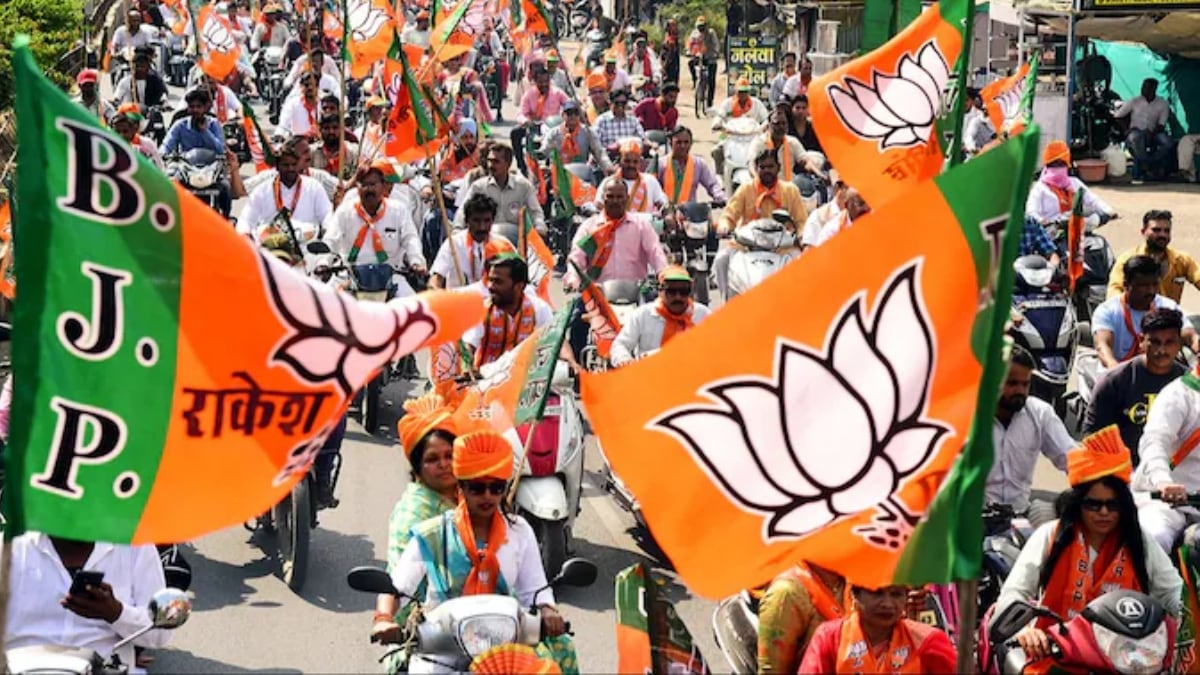
Ongoing elections in four states—Kerala, Tamil Nadu, West Bengal, and Assam—are going to create a far-reaching impact on regional as well as national politics. Gains and losses in these elections will decide the present and future politics of all the contesting parties at the regional and national level—adding and removing from the brand image of Bhartiya Janta Party (BJP) and Indian National Congress (INC) as well as determining the future of regional political players like Trinamool Congress (TMC), Dravida Munnetra Kazhagam (DMK), and All India Anna DMK (AIADMK). If BJP wins in Assam again and performs well in the other states, it will strengthen its brand image, open the doors for political expansion, and indicate shifting political landscapes. For the INC, victory or a good performance might be a lifeline.
In Kerala, if BJP wins significant seats, it will be a cut from the electoral share of Communist Party of India (Marxist) (CPI[M]) or the INC. If CPI (M) loses this election, it will be a declaration of the end of the Left’s political power in India. INC hopes for better performance only in Kerala and Assam, but even if it happens, a revival in national politics is unlikely. In the case of Kerala, however, even as the United Progressive Alliance and the Left front are claiming that they will form the government, BJP is certainly going to perform better this election.
As for West Bengal, BJP is working hard, with the entire party—from the booth level cadre to the prime minister—engaged wholeheartedly in the campaign. Cabinet ministers as well as chief minsters of various BJP-ruled states such as Amit Shah and Dharmendra Pradhan are reaching even the interior of the state to ensure victory. The party has announced six promises, including the seventh pay scale for government employees and various promises for women, which may help impress voters. PM Narendra Modi conceptualised this election as a contest of bharosa against bhay (trust against fear).
While PM Modi has a unique trust value among voters, incumbent CM Mamata Bannerjee has significant influence over Bengali voters. The BJP is banking on the Hindu Bengali identity, while on the other hand, Bannerjee is constantly focusing on the emotionality over the Bengali identity as a whole. Union Education Minister Dharmendra Pradhan, in charge of the party’s West Bengal campaign, recently opined that West Bengal is moving towards massive change. Amit Shah has also stated that he hopes for a regime which will rid the mind of fear. It remains to be seen how Bengali voters will respond to these political narratives.
In Assam, BJP has an edge due to a CM face like Hemanta Vishwa Sharma. In the past five years, BJP has built its influence at Assam’s grassroots. It has also planned microstrategies to mobilise various identities—tribal and Hindu—as well as mobilising around the Rohingya and infiltration issues. Campaigns spearheaded by Amit Shah and Hemanta Vishwa Sharma have mobilised voters in the favour of the party. According to various newspaper reports, PM Modi’s rallies in the state have attracted huge footfalls.
Meanwhile, Rahul Gandhi and his team are also trying hard to make their mark, but INC does not seem to be very effective at transforming positive opinions into votes. The Assam elections will be the test case for future national level issues like Bangladeshi infiltrators and Rohingyas. BJP is working constantly to take these up at that level already, which makes political analysts sense some change in this election.
The Tamil Nadu assembly election this time appears to be important in many ways. For BJP, it has significant meaning, which would be more cultural than political. PM Modi and BJP want to be better rooted in Tamilian society. Steps like giving classical status to Tamil language, the PM’s constant reiteration of it being the oldest language, and organising the Kashi Tamil Sangamam may be perceived as efforts to have better identifiers related to BJP for Tamilians.
Forging connections and reviving old cultural memories between the Tamil land and northern diction of culture and politics may help BJP convince people about its cultural and political arguments. The fruits from these seeds being sown remain to be seen.
All four of these state assembly elections are symbolically important. Victories will add to and defeats will weaken the parties’ brand images. For BJP, immense political possibility lies ahead; while the INC must regain lost ground in Kerala and Assam. Regional players like TMC and DMK must focus on maintaining their standing on home turfs.